
Ancient Egyptian Tools: How Workers Carved Hard Stone
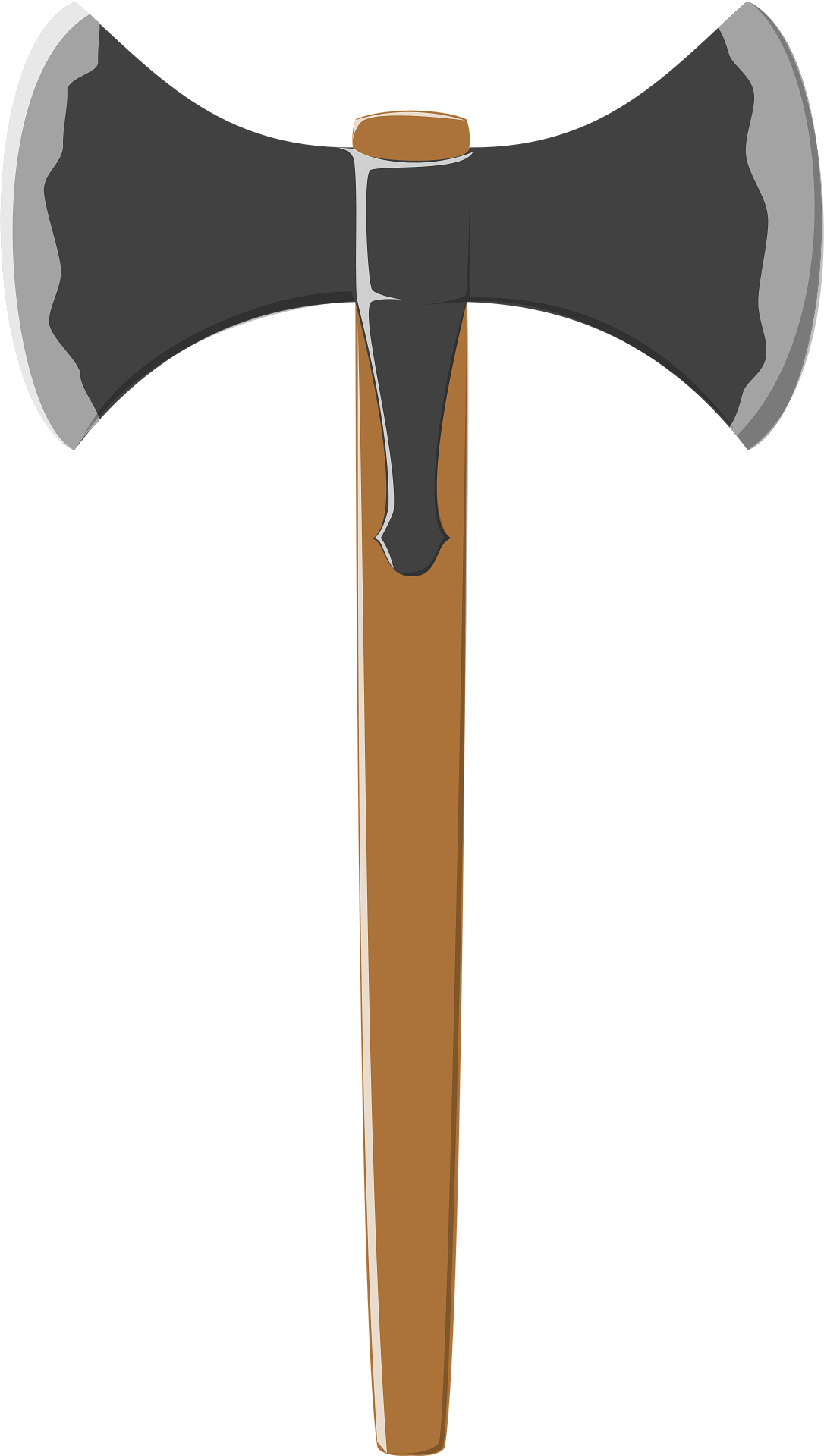
How did ancient Egyptian workers carve enormous statues, shape granite obelisks, and decorate magnificent temples without modern power tools? The answer lies in their remarkable craftsmanship, specialized tools, practical engineering, and generations of experience working with stone.
From the pyramids of Giza to the monumental temples of Luxor and the unfinished obelisk at Aswan, ancient Egyptian monuments reveal an extraordinary understanding of stoneworking. Although their tools were often simple compared with modern equipment, workers developed effective techniques for quarrying, shaping, polishing, and decorating different types of stone.
In this guide, we explore the tools ancient Egyptians used to carve hard stone, how these tools worked, and where you can see evidence of their craftsmanship during a visit to Egypt.
1. Why Was Hard Stone So Difficult to Carve?
Ancient Egyptian craftsmen worked with several types of stone, each presenting different challenges.
Limestone was widely used in pyramid construction, temples, tombs, and statues. It is generally easier to cut than granite, making it suitable for large-scale building projects.
Sandstone was used extensively in temples, particularly in Upper Egypt. It could be shaped into columns, gateways, walls, and decorative reliefs.
Granite was much harder and more demanding to work. Quarried around Aswan, it was prized for obelisks, royal statues, sarcophagi, and architectural elements intended to last for generations.
Diorite and other hard stones were also used for certain statues, vessels, and tools. Their toughness made shaping them especially challenging.
The Egyptians did not use exactly the same technique for every material. Instead, they selected tools and methods according to the hardness of the stone and the level of detail required.
2. Dolerite Pounders: The Secret to Working Granite
One of the most important tools used to shape hard stone was the dolerite pounder.
Dolerite is a tough, dense rock that can withstand repeated impacts. Egyptian quarry workers used rounded pounders to strike granite and gradually break down unwanted material.
Rather than cutting granite with a sharp metal blade, workers repeatedly hammered the surface. With enough controlled impacts, they could remove small pieces of stone, create depressions, and gradually shape a large block.
This process required patience, physical strength, and considerable skill. Workers had to control where they struck the surface and how much material they removed.
At the ancient granite quarries of Aswan, archaeologists have discovered numerous stone pounders and visible traces of quarrying activity. These remains provide direct evidence of how ancient workers extracted and shaped hard stone.
The technique is particularly fascinating because it demonstrates that effective stoneworking did not always depend on sharp cutting edges. Sometimes, the hardness and durability of the tool itself were more important.
3. Copper Chisels and Saws: Precision in Ancient Stoneworking
Copper was an important material for ancient Egyptian tools, including chisels, drills, and saws. Copper tools could be sharpened and reshaped, making them useful for many construction and craft activities.
However, copper is much softer than granite. A copper chisel could not simply slice through a hard granite block as a modern steel tool might cut softer material.
For hard stone, workers relied heavily on pounding and abrasion. Copper tools were more useful for softer stones, fine shaping, and certain stages of detailed work.
Archaeologists have also studied evidence for saws and drilling tools used with abrasive materials. When a softer tool works against a much harder stone, hard abrasive grains can do much of the actual cutting.
This distinction is important: the tool did not necessarily have to be harder than the stone if abrasive particles performed the grinding action.
Ancient Egyptian craftsmen understood how to combine different tools and techniques to achieve the desired result, even without modern electricity or industrial machinery.
4. Sand and Abrasives: How Egyptians Worked Hard Stone
Abrasive materials were essential for refining surfaces and producing accurate shapes.
When sand or another suitable abrasive was introduced between a tool and a stone surface, repeated movement could gradually wear the stone away. This principle is similar to sanding or grinding today, although ancient techniques were slower and required considerable manual effort.
Abrasives could help workers:
- Smooth rough stone surfaces.
- Refine the shape of granite objects.
- Work on drilled holes and cut channels.
- Prepare surfaces for polishing.
- Improve the finish of statues and stone vessels.
The effectiveness of an abrasive depends on its properties, the stone being worked, and how it is applied. Different stages of a project could therefore require different materials and techniques.
For particularly hard stone, abrasion was often more practical than trying to cut directly through it with a soft metal blade.
5. How Did Ancient Egyptians Drill Holes in Stone?
Ancient Egyptian craftsmen produced stone vessels and other objects with hollow interiors, narrow openings, and carefully shaped surfaces. Some monuments and artifacts also preserve evidence of drilling.
Researchers have studied ancient drilling techniques involving rotating tools and abrasive materials. Possible equipment included bow-driven drills and tubular drills, depending on the object, period, and task.
In abrasive drilling, the tool guides the movement while particles between the tool and the stone help wear away the material. Repeated rotation and pressure gradually deepen the hole.
Drilling hard stone required careful control. Excessive pressure could damage the tool or the workpiece, while insufficient pressure made progress slow.
The surviving artifacts demonstrate that Egyptian craftspeople could produce complex forms using methods that depended on repeated abrasion, precision, and experience.
Although the exact details of every ancient drilling technique are not fully understood, archaeological evidence shows that stone drilling was an established craft rather than an impossible technological mystery.
6. Wooden Wedges and Fire: Splitting Stone from Bedrock
Extracting a block from a quarry was often as challenging as shaping it.
One method used in stoneworking involved placing wooden wedges into prepared openings in the rock. When the wood became wet, it expanded and could exert pressure against the surrounding stone.
The effectiveness of this technique depended on the rock, the arrangement of the openings, and the amount of pressure generated. It was one possible method of helping separate stone along prepared lines.
Heating and cooling have also been proposed or used in various traditional quarrying contexts, but the application of fire to particular ancient Egyptian quarries must be assessed carefully rather than assumed for every monument.
At Aswan, quarry marks and abandoned projects reveal that workers sometimes encountered cracks or other problems that made a block unsuitable for continued extraction.
The famous Unfinished Obelisk is a striking example. A large crack caused the project to be abandoned, leaving the monument attached to the bedrock. Today, it provides an exceptional opportunity to study ancient quarrying methods in their original setting.
7. How Did Egyptian Craftsmen Create Detailed Hieroglyphs?
Carving hieroglyphs into stone required a different set of skills from extracting large blocks.
Workers first prepared the surface, then laid out designs and inscriptions before carving them. Depending on the stone and the required detail, they used chisels, pointed tools, hammering techniques, and abrasive finishing methods.
Reliefs could be carved in different ways. In raised relief, the background was cut away so that the figures and signs remained elevated. In sunken relief, the designs were cut into the surface itself.
The choice often depended on the location and lighting. Sunken relief could create strong shadows that made inscriptions and figures stand out, particularly on exterior walls exposed to sunlight.
At temples such as Karnak and Medinet Habu in Luxor, these techniques produced vast scenes depicting gods, pharaohs, ceremonies, and military campaigns.
The finished walls were not simply decorative. They communicated religious beliefs, royal authority, historical events, and ideas about the relationship between humans and the gods.
8. Polishing Granite: Creating Smooth Statues and Sarcophagi
Some ancient Egyptian granite objects have remarkably smooth surfaces, prompting questions about how craftsmen achieved such finishes.
The process involved several stages rather than a single magical technique. After rough shaping, workers could refine the surface with increasingly careful grinding and abrasive treatment.
Repeated rubbing removed small irregularities, while finer finishing methods helped produce a smoother appearance. The precise techniques varied according to the object and the desired finish.
Polishing a large granite statue or sarcophagus demanded considerable time and skill. The craftsmen had to maintain the intended shape while removing tool marks and irregularities.
Not every object reached the same level of finish, and modern researchers study individual artifacts to understand how their surfaces were produced.
These polished objects show that ancient Egyptian stoneworkers cared not only about the size and durability of their creations but also about visual quality and fine craftsmanship.
9. The Unfinished Obelisk: A Window into Ancient Engineering
One of the best places to understand ancient Egyptian stoneworking is the Unfinished Obelisk in Aswan.
This enormous monument remains attached to the granite bedrock in the quarry where workers began extracting it. Had it been completed, it would have been among the largest obelisks ever attempted.
The site reveals traces of the work involved in separating a massive monument from solid rock. Visitors can observe the quarry setting and imagine the effort required to shape such a large object with ancient tools.
The unfinished state is especially valuable to archaeologists. Completed monuments often hide the stages of their construction, but an abandoned project preserves evidence of work in progress.
For travelers interested in ancient engineering, the Unfinished Obelisk offers a rare opportunity to connect archaeological evidence with the practical challenges faced by ancient craftsmen.
10. Where Can You See Ancient Egyptian Stoneworking Today?
If you want to explore ancient Egyptian craftsmanship in person, several destinations are particularly rewarding.
The Unfinished Obelisk, Aswan: Discover the ancient granite quarry and examine evidence of the methods used to work hard stone.
Karnak Temple, Luxor: Admire massive columns, obelisks, carved inscriptions, and monumental architecture created by generations of skilled craftsmen.
Medinet Habu, Luxor: Explore richly decorated temple walls and reliefs that demonstrate the precision of ancient Egyptian stone carving.
The Colossi of Memnon, Luxor: See the enormous statues of Amenhotep III and consider the challenges of quarrying, transporting, and shaping colossal stone monuments.
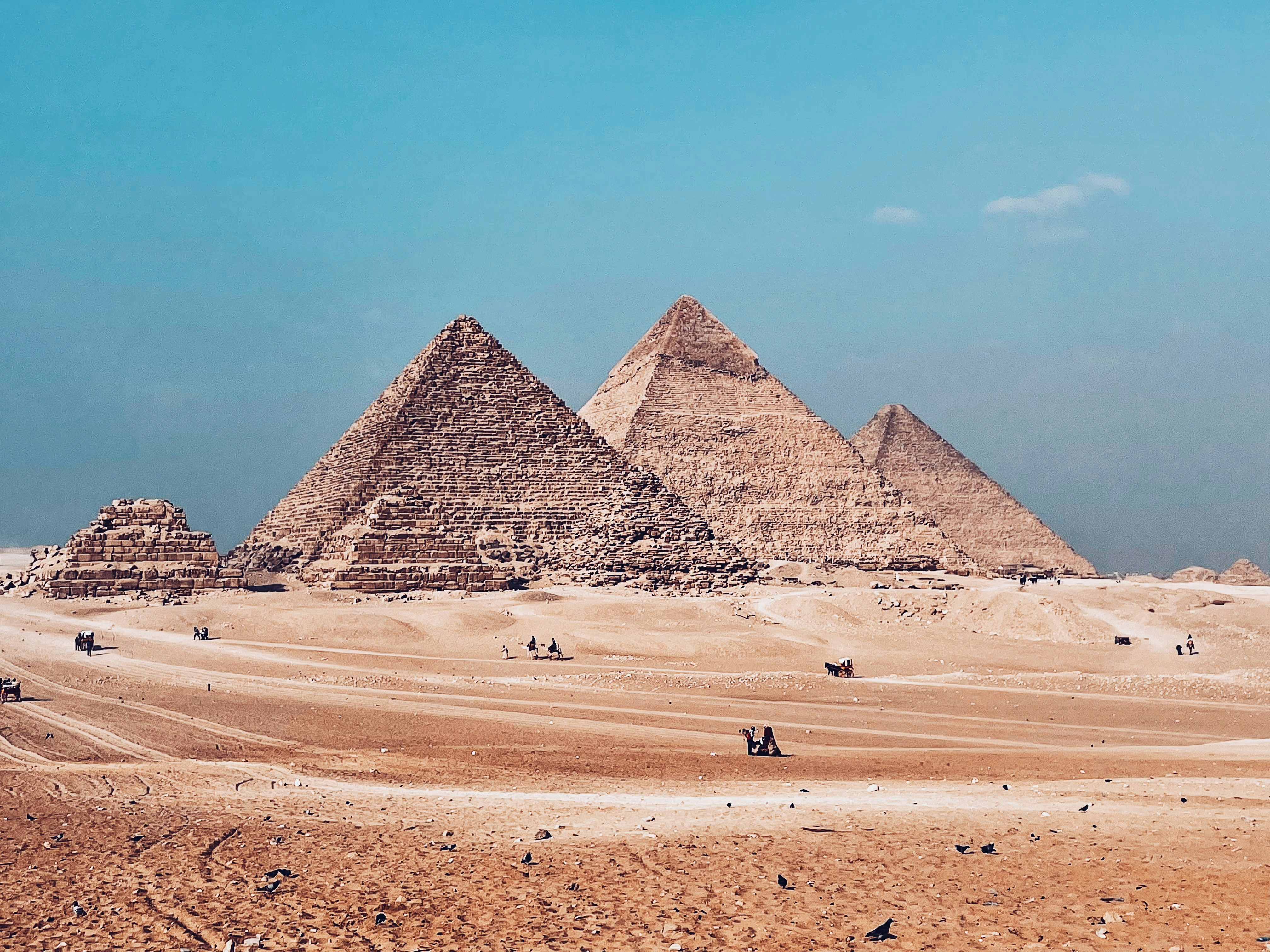
The Pyramids of Giza: Observe the enormous limestone structures and learn about the quarrying, transportation, and construction techniques used in pyramid building.
Visiting these places with a knowledgeable local guide can help you understand the differences between stone types, recognize tool marks, and appreciate the techniques that made these monuments possible.
Frequently Asked Questions
What tools did ancient Egyptians use to carve granite?
They used hard stone pounders, including dolerite, to break down and shape granite. Abrasives were also important for grinding and refining surfaces. Copper tools were useful for certain tasks but could not directly cut granite in the way modern steel tools can.
Did ancient Egyptians have iron tools?
Iron was known in ancient Egypt, but it was not available as a common construction material during the main pyramid-building period. Copper tools and hard stone implements played much more important roles in early monumental construction.
How did Egyptians drill holes in granite?
Ancient craftsmen used drilling methods that could involve rotating tools and abrasive particles. The abrasives helped grind the stone away as the tool rotated under pressure.
How did ancient Egyptians cut obelisks?
Workers quarried obelisks from bedrock, using stone pounders and other methods to shape and separate the monument. The exact procedures varied, and not every stage of obelisk production is fully understood.
Why did ancient Egyptians use stone instead of wood for monuments?
Stone offered durability, permanence, and symbolic significance. Temples, tombs, statues, and obelisks were often designed to preserve royal achievements and religious meaning for generations.
Where is the best place to learn about ancient Egyptian quarrying?
The Unfinished Obelisk in Aswan is one of the best places to observe evidence of ancient granite quarrying. In Luxor, Karnak Temple and Medinet Habu showcase the results of highly developed stone-carving traditions.
Discover the Craftsmanship Behind Ancient Egypt
Ancient Egyptian stoneworkers achieved extraordinary results by combining hard stone tools, copper implements, abrasives, drilling techniques, and detailed craftsmanship. Their success depended on knowing which technique suited each material and on passing practical skills from one generation to the next.
The pyramids, temples, obelisks, and colossal statues that survive today are lasting evidence of their expertise.
Would you like to see these wonders for yourself? Explore Egypt with a private guided tour and discover the engineering and artistry behind its most remarkable monuments.
Join our Luxor West Bank Private Tour, explore the monumental architecture of Karnak Temple, or choose a Custom Private Tour in Luxor designed around your interests in ancient Egyptian history and archaeology.

Comments
Leave a comment