Pyramids of Giza: Egypt’s Ancient Wonders
The Pyramids of Giza: Complete Guide to Egypt’s Ancient Wonder
The Pyramids of Giza are among the most famous monuments in the world and one of Egypt’s greatest archaeological treasures. Located on the Giza Plateau just outside Cairo, these monumental structures have fascinated travelers, historians, and archaeologists for thousands of years.
Built during Egypt’s Old Kingdom, the pyramids were created as monumental tombs for pharaohs and remain a remarkable testament to ancient Egyptian engineering, architecture, religion, and organization.
Whether you are planning your first trip to Egypt or simply want to learn more about these extraordinary monuments, this guide covers everything you need to know about the Pyramids of Giza, including their history, the Great Pyramid, the Sphinx, what to see, when to visit, and how to plan your tour.
Where Are the Pyramids of Giza?
The Giza Pyramids are located on the Giza Plateau, approximately 15–20 kilometers from central Cairo, depending on your starting point.
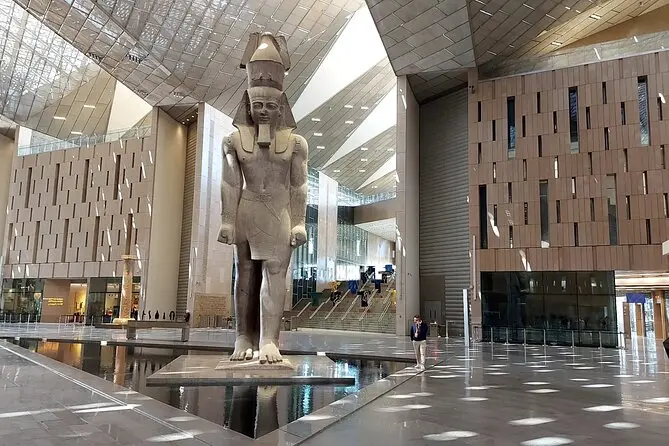
Their location makes them particularly convenient for travelers staying in Cairo. A visit to the pyramids can easily be combined with other Cairo attractions, such as the Grand Egyptian Museum, the Egyptian Museum, Islamic Cairo, or Coptic Cairo.
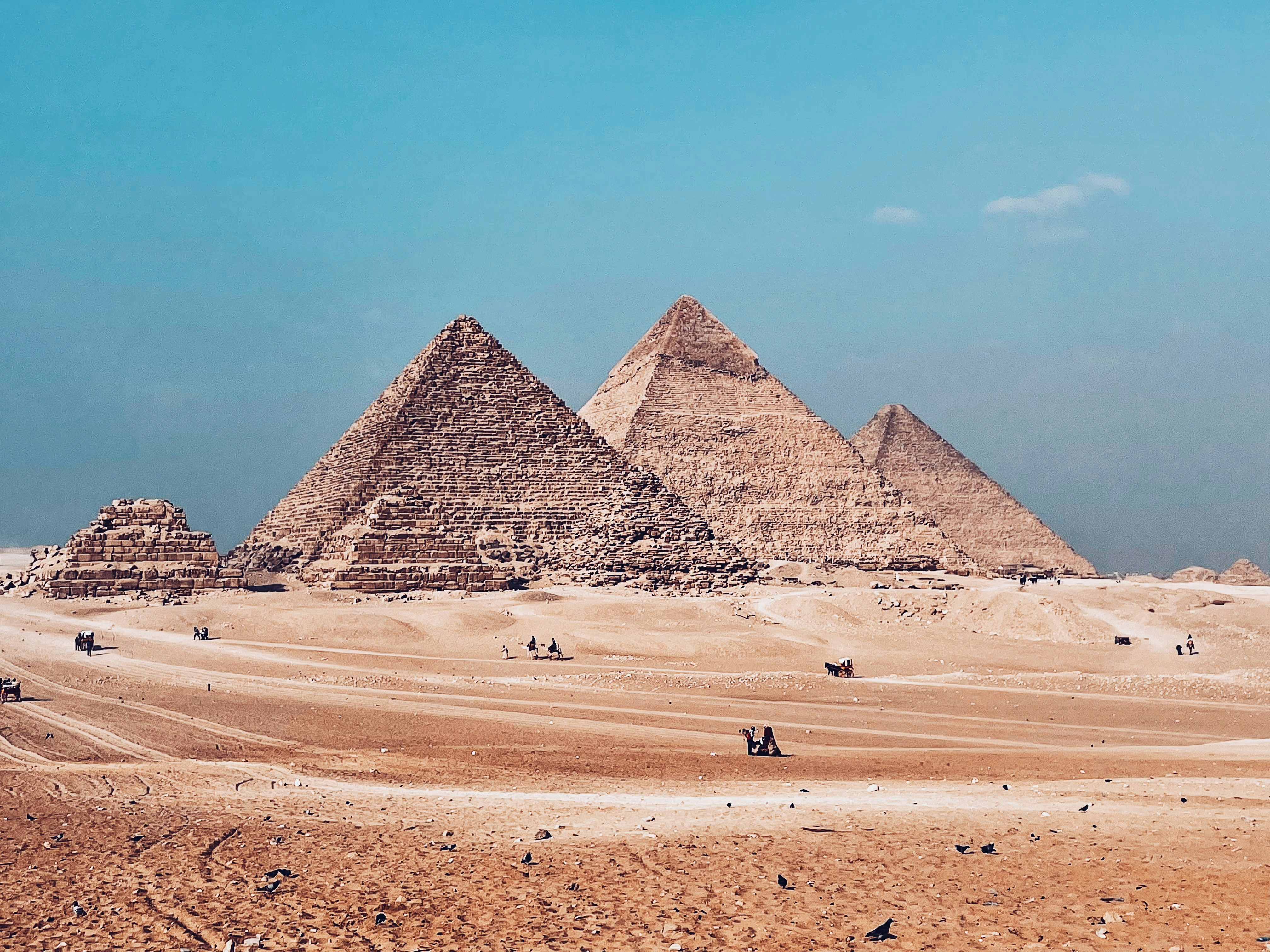
The Three Pyramids of Giza
The Giza Plateau is home to three principal pyramids:
The Great Pyramid of Khufu
The Pyramid of Khafre
The Pyramid of Menkaure
Each pyramid was constructed for a different pharaoh and has its own distinctive characteristics.
1. The Great Pyramid of Khufu
The Great Pyramid of Giza, also known as the Pyramid of Khufu or Cheops, is the largest of the three pyramids.
Pharaoh Khufu commissioned its construction during Egypt's Fourth Dynasty, around the 26th century BCE.
The pyramid originally stood approximately 146.6 meters high. Over thousands of years, the loss of its outer casing stones reduced its present height.
The Great Pyramid is particularly remarkable because it was the tallest human-made structure in the world for thousands of years.
It is also the only surviving member of the traditional Seven Wonders of the Ancient World.
2. The Pyramid of Khafre
The Pyramid of Khafre is the second-largest pyramid on the Giza Plateau.
It is often recognized by the remaining casing stones near its summit. These stones give visitors an idea of how the pyramids may have looked when their polished limestone exterior was still largely intact.
Khafre's pyramid is also closely associated with the Great Sphinx, which stands nearby.
3. The Pyramid of Menkaure
The Pyramid of Menkaure is the smallest of the three main Giza pyramids.
Although smaller than those of Khufu and Khafre, Menkaure's pyramid is an important part of the Giza complex and demonstrates the development of royal pyramid architecture during Egypt's Fourth Dynasty.
The Great Sphinx of Giza
No visit to the pyramids is complete without seeing the Great Sphinx of Giza.
The Sphinx is a monumental limestone statue featuring a human head and the body of a lion.
It is generally associated with Pharaoh Khafre, although questions concerning its precise date, symbolism, and construction continue to be discussed by researchers.
The monument's enormous scale makes it one of the most recognizable symbols of ancient Egypt.
Why Were the Pyramids Built?
The pyramids were primarily built as monumental royal tombs.
The combination of the pyramids and the Sphinx creates one of the world's most iconic archaeological landscapes.
Why Did Ancient Egyptians Build Pyramids?
The pyramids were primarily built as monumental royal tombs and were closely connected with ancient Egyptian beliefs about death, resurrection, and the afterlife.
Egyptian kings were believed to continue their existence after death. Their tombs therefore formed part of a larger funerary complex designed to support the king's journey into the afterlife.
The pyramids were not isolated structures. They were part of carefully planned complexes that could include:
- Valley temples
- Mortuary temples
- Causeways
- Burial chambers
- Smaller pyramids
- Tombs for members of the royal family
- Cemeteries for officials and workers
How Were the Pyramids Built?
The construction of the pyramids remains one of the most fascinating subjects in ancient Egyptian history .
Archaeological evidence indicates that large organized workforces were involved in quarrying, transporting, and positioning the stones.
Workers used boats, sledges, ramps, ropes, levers, and other techniques to move heavy materials. Evidence from settlements associated with pyramid construction has also provided valuable information about the people who worked on these enormous projects.
The pyramids therefore represent not only architectural achievements but also sophisticated organization, engineering, logistics, and resource management.
The Pyramids of Saqqara
While Giza is the most famous pyramid destination, Saqqara is essential for understanding the development of pyramid architecture.
Saqqara is home to the Step Pyramid of Djoser, generally regarded as the earliest large-scale stone pyramid in Egypt.
The Step Pyramid was designed by the famous ancient Egyptian architect Imhotep during the Third Dynasty.
Its distinctive stepped design represents an important stage in the development of the later true pyramids.
Dahshur: The Bent and Red Pyramids
Another fascinating pyramid destination is Dahshur, south of Cairo.
The area is famous for the Bent Pyramid and the Red Pyramid, both associated with Pharaoh Sneferu.
The Bent Pyramid is particularly interesting because its angle changes partway up the structure. This provides important evidence about experimentation and architectural development during the early pyramid-building period.
The Red Pyramid is one of the earliest successful true pyramids and is an important monument for understanding how Egyptian pyramid architecture evolved.
Interesting Facts About the Pyramids of Egypt
Here are some fascinating facts to know before visiting:
1. The Great Pyramid was built for Pharaoh Khufu.
2. The Giza pyramids were constructed during Egypt's Old Kingdom.
3. The Great Pyramid is the only surviving member of the traditional Seven Wonders of the Ancient World.
4. The Giza Plateau contains much more than just three pyramids.
5. Saqqara contains the famous Step Pyramid of Djoser.
6. Dahshur contains the Bent Pyramid and Red Pyramid.
7. The pyramids were connected with ancient Egyptian funerary beliefs.
8. The Great Sphinx is located near the pyramids at Giza.
9. Pyramid construction developed over several centuries.
10. Egypt has numerous pyramid sites beyond Giza.
Best Time to Visit the Pyramids
For a more comfortable Egypt pyramids tour, many travelers prefer visiting during the cooler months.
The period from approximately October to April generally offers more comfortable daytime conditions than the hottest part of summer.
If you visit during warmer months, consider starting your tour early in the morning. This can provide cooler temperatures and a more comfortable experience at the archaeological sites.
How to Visit the Pyramids from Cairo ?
The pyramids are easy to include in a Cairo itinerary.
A typical Pyramids of Giza tour can include:
- Hotel pickup
- Giza Plateau
- Great Pyramid of Khufu
- Pyramid of Khafre
- Pyramid of Menkaure
- Great Sphinx
- Valley Temple
- Professional Egyptologist guide
- Transportation
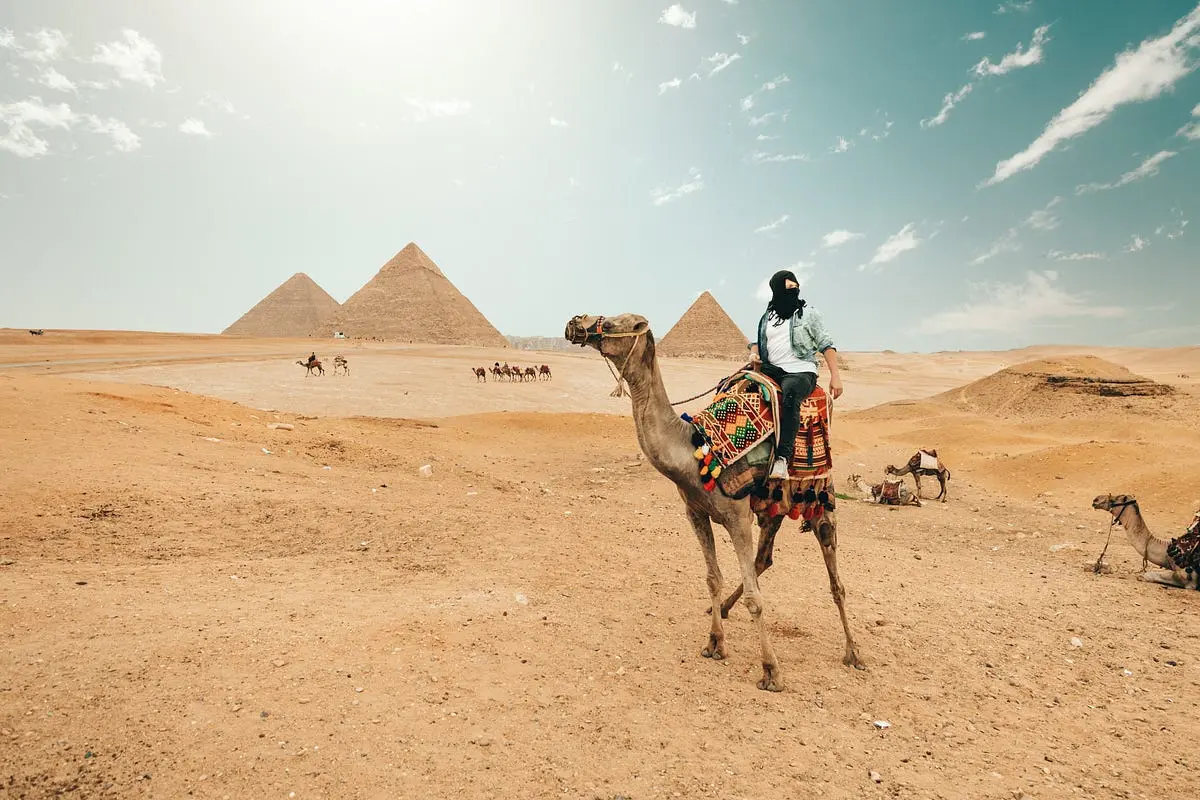
- Optional camel or horse ride
Travelers with more time can combine Giza with Saqqara, Memphis, and Dahshur for a full-day exploration of ancient Egyptian architecture.
How Long Do You Need at the Pyramids?
A basic visit to Giza can take around 3–4 hours, depending on whether you enter the pyramids and how much time you spend exploring the plateau.
For travelers who want a deeper experience, a full-day itinerary combining Giza, Saqqara, Memphis, and Dahshur is a better option.
What Should You Bring?
For a comfortable visit, consider bringing:
- Comfortable walking shoes
- Sun protection
- Hat or sunglasses
- Drinking water
- Camera or smartphone
- Light, breathable clothing
- Cash for personal expenses
Because the archaeological area involves walking over uneven surfaces, comfortable footwear is particularly important.
Pyramids of Egypt and the Rest of Your Egyptian Adventure
The pyramids are an ideal starting point for exploring Egypt.
After Cairo, travelers can continue south to Luxor, where they can explore the Valley of the Kings, Karnak Temple, Luxor Temple, and the temples of the West Bank.
A Nile River cruise between Luxor and Aswan is another popular way to experience Egypt, combining ancient temples with the landscapes of the Nile Valley.
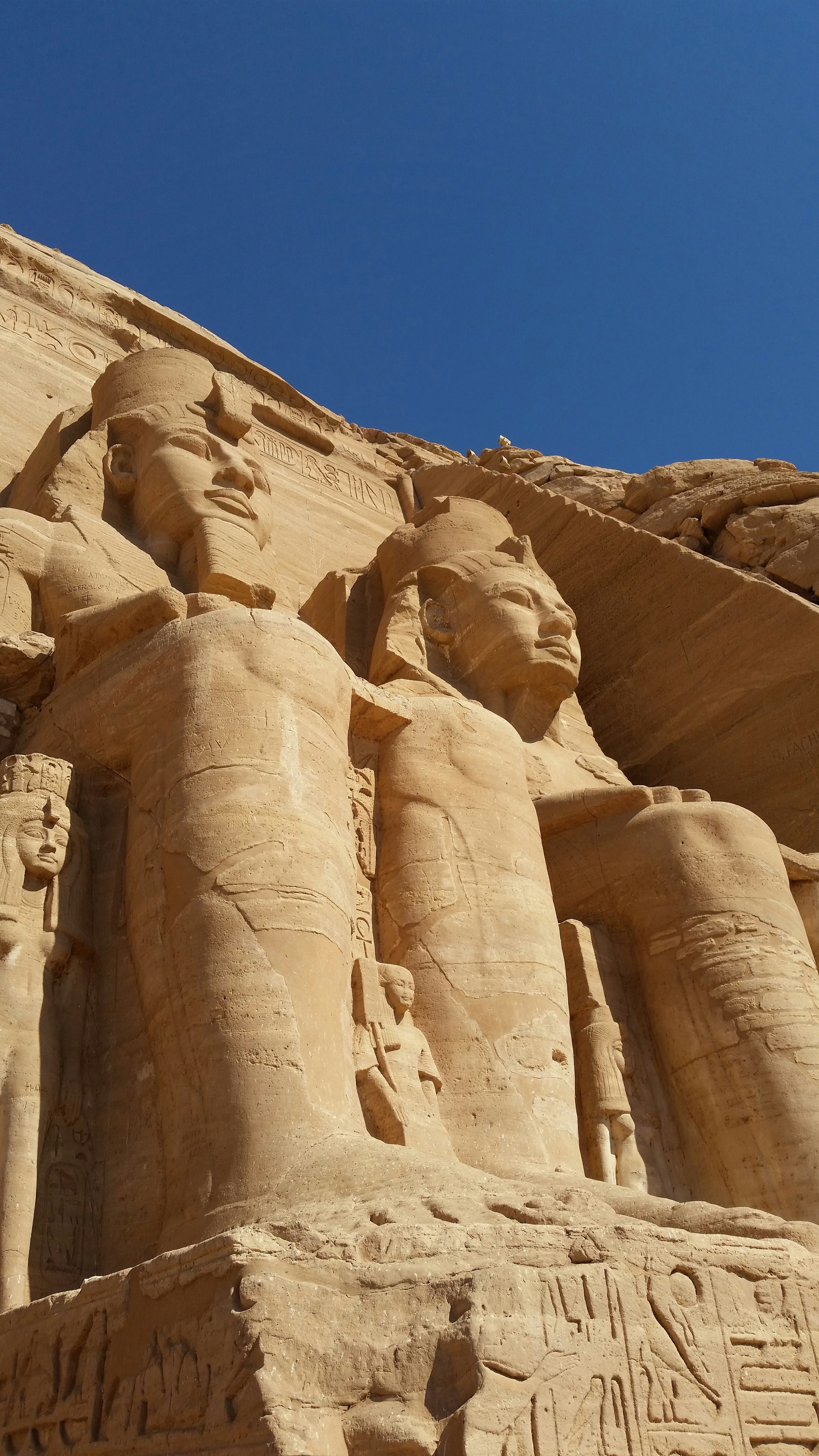
Travelers can also extend their journey to Abu Simbel, Alexandria, the Red Sea, or other destinations depending on their interests and available time.
Frequently Asked Questions About the Pyramids of Egypt
What are the most famous pyramids in Egypt?
The three pyramids at Giza are the most famous: the Great Pyramid of Khufu, the Pyramid of Khafre, and the Pyramid of Menkaure.
Which pyramid is the largest?
The Great Pyramid of Khufu is the largest of the three main pyramids at Giza.
Can you go inside the pyramids?
Yes. Certain pyramids have interior areas that visitors may enter with an appropriate ticket, although access can vary according to current regulations and conservation requirements.
How far are the pyramids from Cairo?
The Giza Plateau is located on the outskirts of Cairo and is generally a relatively short drive from central Cairo, although journey times depend heavily on traffic.
Are the pyramids worth visiting?
The pyramids provide an opportunity to experience some of the world's most important surviving ancient monuments and to learn about ancient Egyptian history, architecture, and religious beliefs.
Final Thoughts
The Pyramids of Egypt are much more than enormous stone monuments. They are part of a vast archaeological landscape that tells the story of ancient Egyptian kings, beliefs, architecture, engineering, and society.
From the monumental Great Pyramid of Khufu and the mysterious Great Sphinx to the Step Pyramid of Saqqara and the Bent and Red Pyramids of Dahshur, Egypt offers travelers the opportunity to explore thousands of years of architectural development.
Whether you are planning your first trip to Egypt or returning to discover more of its ancient treasures, a visit to the pyramids can be one of the highlights of your Egyptian adventure.
Ready to explore the Pyramids of Egypt? Plan your private Egypt tour with a local licensed guide and discover Giza, Saqqara, Memphis, Dahshur, and the fascinating history behind these extraordinary monuments.
Ancient Egyptians believed that death was a transition to another existence. Their religious beliefs emphasized the preservation of the body and the provision of everything necessary for the deceased's journey into the afterlife.
The pyramid complexes therefore included more than just the pyramid itself. They could contain temples, causeways, smaller pyramids, boat pits, and other structures associated with royal funerary rituals.
Comments
Leave a comment