
Bread in Ancient Egypt: The History of One of the oldest Foods
Introduction: The Story of Bread in Ancient Egypt
Bread was one of the most important foods in ancient Egyptian civilization. Thousands of years before modern bakeries and supermarkets existed, Egyptians were growing grain, grinding flour, preparing dough, and baking bread for their families. Bread provided nourishment for workers, farmers, craftsmen, and members of the royal household, making it an essential part of everyday life.
The history of bread in ancient Egypt is closely connected to the Nile River. Its annual floods historically deposited fertile silt across agricultural land, supporting the cultivation of wheat and barley. These grains became the foundation of the Egyptian diet, alongside vegetables, legumes, fish, fruits, and other locally available foods.
However, bread was much more than a source of nutrition. It also appeared in religious ceremonies, funerary offerings, and artistic representations of daily life. Tomb paintings and archaeological discoveries reveal the different stages of bread production, from harvesting grain to baking loaves in ovens.
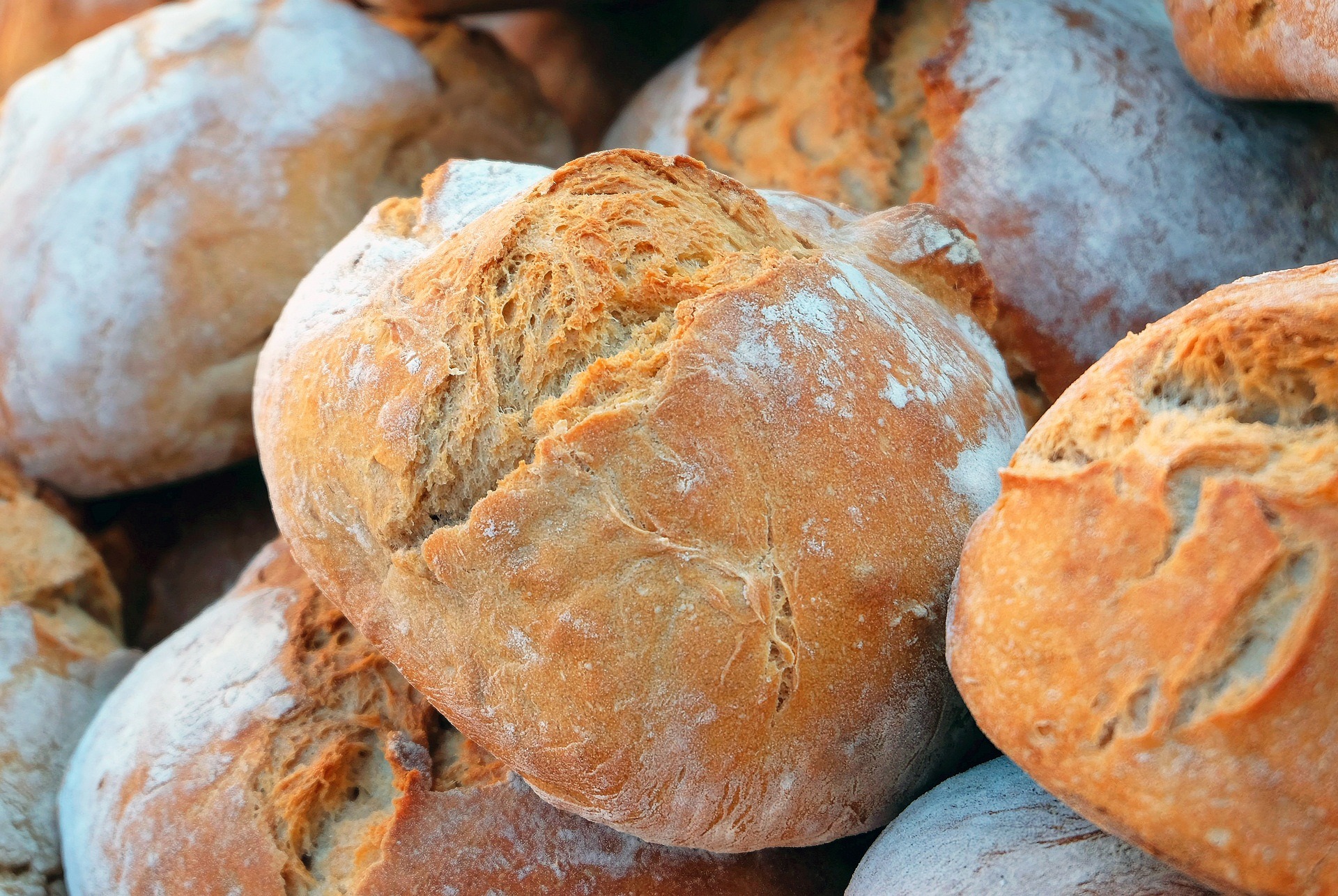
Today, Egypt remains famous for its traditional bread, particularly aish baladi. Although modern bread is not identical to every ancient loaf, the continued importance of bread offers a fascinating connection between ancient Egyptian history and contemporary food culture.
In this article, we will explore how bread was made in ancient Egypt, which ingredients were used, how people ate it, and why it played such an important role in one of history's most remarkable civilizations.
1. How the Nile River Made Bread Possible
To understand bread in ancient Egypt, it is essential to understand the Nile River.
Ancient Egyptian agriculture depended heavily on the river and the fertile land surrounding it. Before the construction of modern dams, seasonal flooding brought water and nutrient-rich sediment onto agricultural fields, helping farmers grow crops in an otherwise largely arid environment.
Two important grains were emmer wheat and barley. Emmer wheat was a major grain in ancient Egyptian food production, while barley was used for food and brewing beer.
Farmers cultivated these crops in fields along the Nile Valley and Delta. After harvesting, the grain was stored and processed into flour or meal, which could then be used to prepare bread and other foods.
Agriculture required considerable organization. Farmers, laborers, animal handlers, grain processors, bakers, and transport workers all contributed to the food supply.
The ability to grow and store grain helped support Egypt's growing population, including the workers and specialists who built temples, tombs, and other monumental structures.
The Nile was therefore not only a source of water and transportation. It also helped sustain the agricultural system that made bread a central part of Egyptian life.
2. What Ingredients Did Ancient Egyptians Use to Make Bread?
Bread recipes in ancient Egypt varied according to the period, location, available ingredients, and intended use.
Emmer wheat
Emmer wheat was an important grain in ancient Egypt. Its kernels had to be processed before they could be turned into flour or meal. Once ground, the resulting product could be mixed with water to make dough.
Barley
Barley was another important cereal crop. It was used in different foods and played a major role in ancient Egyptian beer production. Its use in particular bread recipes varied.
Water
Water was necessary for combining ground grain into dough. The texture of the dough depended on the grain, the fineness of the flour, and the amount of water used.
Yeast and fermentation
Some ancient Egyptian breads were leavened, meaning that fermentation helped the dough rise. The precise methods varied, and not every loaf was made in the same way. Bakers could produce different textures and shapes by changing the ingredients and preparation techniques.
Other ingredients
Depending on the recipe, bread could contain additional ingredients, such as fats, dates, or other flavorings. Some preparations were relatively simple, while others were more elaborate.
Archaeological evidence, including preserved food remains, pottery, and depictions of baking, helps researchers reconstruct ancient Egyptian breadmaking. However, no single recipe represents all the bread eaten throughout ancient Egyptian history.
3. How Was Bread Made in Ancient Egypt?
Making bread required several stages of work, many of which are illustrated in ancient Egyptian tomb art.
Step 1: Harvesting the grain
After the crops matured, workers harvested the grain using tools such as sickles. The harvested plants were processed to separate the grain from the stalks and other plant material.
Step 2: Threshing and winnowing
Threshing helped release grain from the harvested plants. Winnowing used moving air to separate lighter chaff from heavier grain.
These steps prepared the grain for storage and processing.
Step 3: Grinding the grain
Grain was ground using stone tools, including hand-operated grinding stones. This was physically demanding work, and the resulting flour was often coarser than modern finely milled flour.
Some ancient flour contained grit from the grinding process. Archaeological and skeletal evidence has helped researchers investigate the effects of gritty food on the teeth of ancient Egyptians.
Step 4: Preparing the dough
The ground grain was mixed with water and, depending on the recipe, other ingredients. Bakers shaped the dough into loaves or other forms.
Some doughs were allowed to ferment, while others were prepared without the same degree of leavening.
Step 5: Baking the bread
Ancient Egyptians used different baking methods, including ovens and heated surfaces. Archaeological remains and artistic depictions suggest that bread could be baked in a variety of shapes and forms.
The exact method depended on the period, location, and type of bread being prepared.
The whole process demonstrates that bread production was a skilled activity requiring agricultural knowledge, physical labor, and practical experience.
4. What Did Ancient Egyptian Bread Look Like?
Ancient Egyptian bread did not have just one shape.
Archaeological discoveries and tomb representations indicate that loaves could be round, oval, flat, conical, or shaped in other ways. Some breads were relatively simple, while others were prepared in distinctive forms.
The shape could be influenced by the ingredients, the baking technique, the occasion, and the intended use of the bread.
Ancient Egyptian tombs have yielded bread remains that provide direct evidence of past baking practices. These discoveries are especially valuable because they allow researchers to study the physical characteristics of loaves rather than relying entirely on artistic representations.
Some ancient breads may appear very different from the soft, pocket-shaped aish baladi familiar to modern travelers. Although there are broad similarities in the use of grain and dough, it would be inaccurate to assume that all modern Egyptian bread recipes have remained unchanged since pharaonic times.
For visitors exploring Egyptian museums, preserved bread and depictions of food production offer a remarkable glimpse into the daily lives of people who lived thousands of years ago.
5. Bread in the Daily Life of Ancient Egyptians
Bread was a staple food for many people in ancient Egypt. It supplied energy for agricultural labor, construction, domestic work, and other daily activities.
People's diets varied according to their social position, location, occupation, and access to food. Bread was commonly eaten alongside other foods, including onions, legumes, vegetables, dates, fish, and occasionally meat.
Many meals were probably simpler than the elaborate banquets depicted in some elite contexts. For ordinary households, bread provided a practical way to consume the grain produced by the agricultural system.
Bread was also important for feeding workers. Administrative records from ancient Egypt document systems for distributing food and other provisions to laborers and officials. Bread and beer were prominent in many such systems, although the precise quantities and arrangements varied.
This connection between bread and labor helps explain why grain production, storage, and distribution were so important to the Egyptian state.
Bread was not merely a household food. It was also part of the wider economic system that supported settlements, institutions, temples, and royal projects.
6. Bread and Beer: Two Essential Foods of Ancient Egypt
Bread and beer were closely connected in ancient Egyptian food culture.
Both depended heavily on grain, and both were produced through processes involving grinding and preparing cereal products. Their production techniques were not identical, but the ingredients and stages of processing sometimes overlapped.
Beer was an important beverage in ancient Egypt and was consumed by different groups of society. It was also associated with religious offerings and provisions for workers.
Older descriptions sometimes suggest that ancient Egyptian beer was simply made by fermenting bread in water. The actual production methods were more complex and could vary, so this simplified explanation should not be treated as a universal recipe.
Together, bread and beer provided important sources of nourishment and were integrated into food distribution, everyday meals, and ritual practices.
Their importance also demonstrates how closely ancient Egyptian civilization depended on the successful cultivation and processing of grain.
7. Bread in Ancient Egyptian Religion and the Afterlife
Bread had significance beyond everyday nourishment. It was also a common component of religious offerings.
Ancient Egyptians believed that offerings could help sustain the deceased in the afterlife. Tombs therefore contained depictions of food, drinks, and other provisions intended to support the dead.
Bread appears frequently in funerary scenes and offering lists. Images may show loaves arranged on tables, people carrying food, or workers preparing provisions.
These scenes reflect the importance of food in Egyptian ideas about life, death, and continued existence after death.
Bread was also used in temple offerings to the gods. Religious institutions managed agricultural resources and received food offerings as part of their ritual activities.
It is important to recognize that these offerings were not simply decorative. They belonged to a religious system in which food, ritual, and the relationship between humans and divine beings were closely connected.
For modern visitors, tomb paintings showing bread and other foods provide an opportunity to understand how practical necessities became part of ancient Egyptian religious beliefs.
8. Breadmaking in Ancient Egyptian Tomb Paintings
Some of the most fascinating evidence for ancient Egyptian breadmaking comes from tomb paintings and reliefs.
Rather than recording recipes in the modern sense, these scenes often show sequences of work. They may depict people processing grain, grinding flour, kneading dough, shaping loaves, and tending ovens.
Such representations are valuable because they reveal how food production was understood and presented within ancient Egyptian society.
The Tomb of Ti at Saqqara, for example, is well known for its detailed scenes of agricultural and other daily activities. Tombs from different periods also contain depictions of food preparation and provisioning.
However, tomb art was created within specific artistic and religious traditions. A scene does not necessarily show every stage of a process or represent the experience of every household.
When studied alongside archaeological remains and written records, these images help researchers reconstruct the role of bread in ancient Egyptian life.
They also remind us that the monuments of Egypt contain more than stories of kings and gods. They preserve evidence about the ordinary work that sustained society.
9. Was Bread Different for Rich and Poor Egyptians?
Bread was widely important, but the food available to individuals could differ substantially.
People with greater wealth and access to resources could enjoy a wider variety of foods and more elaborate preparations. They might have had access to different kinds of bread, additional ingredients, and more diverse meals.
Workers and ordinary households relied more heavily on staple foods, including bread and other grain-based products, supplemented by locally available ingredients.
However, it is difficult to describe the exact diet of every social group because food practices varied over thousands of years and across different regions.
Bread's importance across social levels illustrates how a basic food could connect different parts of society while still reflecting inequalities in wealth and access to resources.
Its production also depended on many kinds of labor, from farmers and grain processors to bakers and distributors.
Understanding these differences provides a fuller picture of ancient Egyptian civilization beyond its royal monuments.
10. What Can Ancient Egyptian Bread Teach Us Today?
The history of ancient Egyptian bread offers several lessons about food, society, and cultural continuity.
First, it demonstrates the importance of agriculture. Reliable grain production helped support population growth, specialized occupations, and large public projects.
Second, it reveals the relationship between food and religion. Bread was both a practical necessity and a meaningful offering in religious and funerary settings.
Third, it highlights the skill involved in traditional food preparation. Before modern milling equipment and commercial baking systems, bread production depended on labor-intensive methods and knowledge passed between generations.
Finally, bread provides a way to connect ancient history with modern Egyptian culture.
Today, aish baladi remains a familiar staple in Egypt, served with foods such as ful medames and taameya. Although contemporary breadmaking differs in many respects from ancient techniques, both ancient and modern Egyptian food cultures demonstrate the enduring importance of grain-based foods.
For travelers, trying traditional Egyptian bread while learning about ancient agriculture offers a simple but memorable way to connect with the country's long history.
Conclusion: A Loaf That Connects Ancient and Modern Egypt
Bread in ancient Egypt was far more than a basic food. It was a product of the Nile's agricultural environment, a result of skilled labor, an essential part of daily meals, and an important element of religious offerings.
From harvesting emmer wheat and barley to grinding grain and baking loaves, bread production involved an entire network of agricultural and domestic activities. Tomb paintings, written records, and archaeological discoveries continue to reveal how these processes supported ancient Egyptian society.
The story of bread also creates a connection with modern Egypt, where aish baladi remains an important part of everyday life.
When you explore Egypt's temples, tombs, museums, and traditional food markets, remember that the country's history was shaped not only by pharaohs and monumental architecture but also by the everyday foods that sustained its people.
Discover the human side of ancient Egypt: Explore its archaeological treasures, learn about traditional Egyptian cuisine, and experience the culture that connects the civilization of the pharaohs with life along the Nile today.
Comments
Leave a comment