
Coptic Cairo: Churches, History & Travel Guide
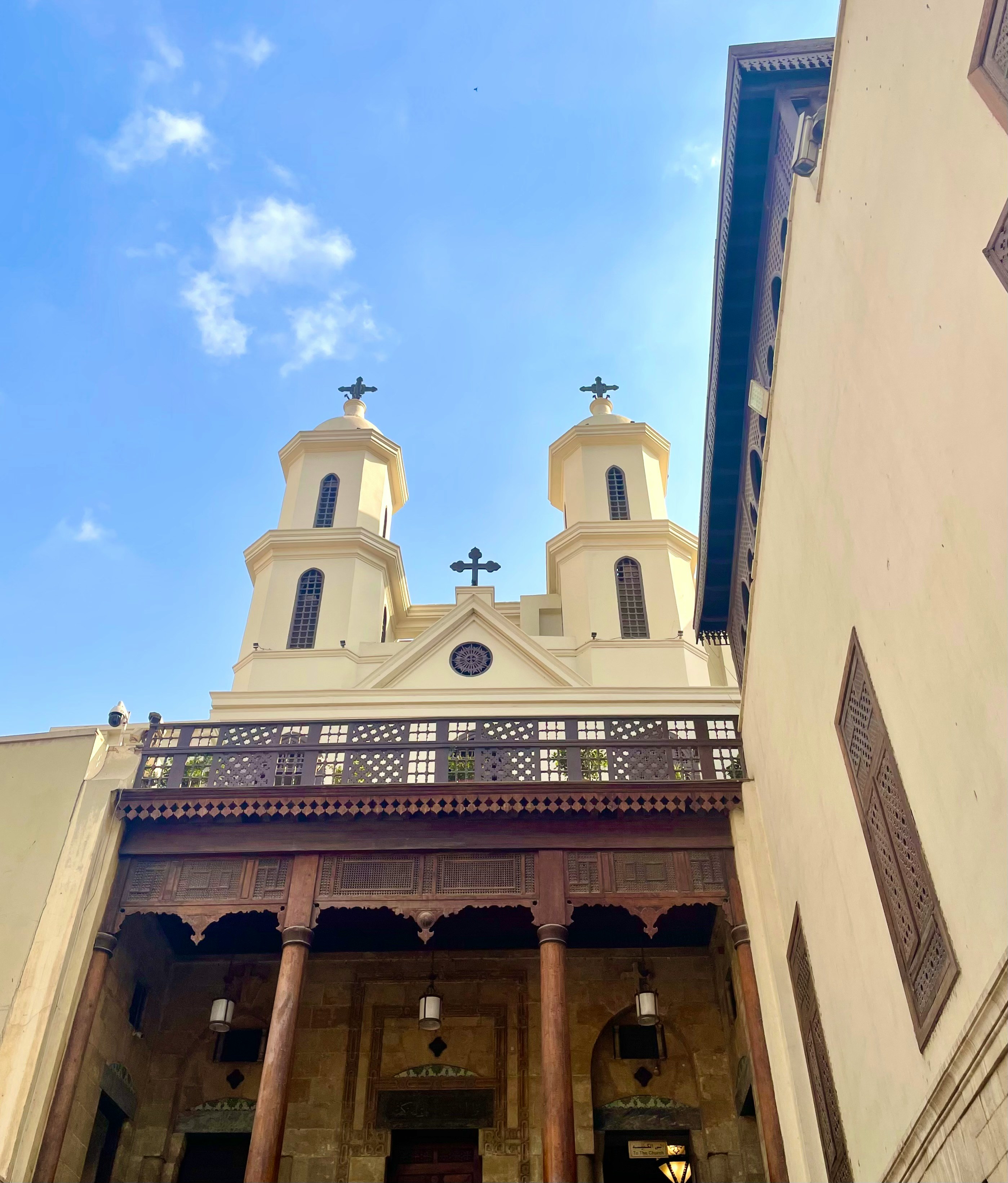
Coptic Cairo is one of the most fascinating historic areas of Egypt's capital. Located in Old Cairo, this compact district brings together ancient Christian churches, the Coptic Museum, the remains of the Roman Babylon Fortress, and other important religious and historical sites.
For travelers interested in Egyptian history, Christianity, architecture, archaeology, and culture, visiting Coptic Cairo provides an opportunity to explore a different chapter of Cairo's long history. The area is also part of the wider historic landscape of Cairo, which UNESCO recognizes for its exceptional surviving architectural and urban heritage.
What Is Coptic Cairo?
Coptic Cairo is a historic area of Old Cairo associated with Egypt's Christian heritage. Many of its principal monuments are concentrated around the area of the former Roman fortress of Babylon.
The Egyptian government identifies several Coptic churches in the Babylon Fortress area, including the Hanging Church, Church of Saint Barbara, Abu Serga Church, Qasriyat Al-Rayhan Church, and others, along with the Coptic Museum and a convent.
The area is relatively compact, making it possible to visit several important sites during one walking tour.
1. Visit the Hanging Church
The Hanging Church, also known as the Church of the Virgin Mary, is one of the best-known landmarks in Coptic Cairo.
Its name comes from its position above the remains of the Roman fortress. The Ministry of Tourism and Antiquities describes the church as being built over the ruins of the old Roman fort.
The church is known for its wooden interior, marble columns, icons, decorated screens, and distinctive ceiling. The Ministry notes that some of the church's icons date from the 15th century, while many others date from later centuries.
The present structure has developed and been restored over many centuries, making it an excellent place to appreciate the evolution of Coptic architecture.
2. Explore the Coptic Museum
The Coptic Museum is one of the most important places to visit if you want to understand Egypt's Christian heritage.
The museum was inaugurated in 1910 and houses an extensive collection of Coptic artifacts. According to Egypt's Ministry of Tourism and Antiquities, its collection includes manuscripts, icons, woodwork, frescoes, and objects representing the development of Coptic art and culture.
The collection also demonstrates interactions between Coptic artistic traditions and earlier and later cultures, including Pharaonic, Greek, Roman, Byzantine, and Ottoman influences.
Allow enough time to explore the galleries rather than treating the museum as a quick stop.
3. Visit Abu Serga Church
The Church of Saints Sergius and Bacchus, commonly known as Abu Serga, is another major attraction in Coptic Cairo.
The church is built over an ancient Roman structure and is traditionally associated with the Holy Family's journey through Egypt. The Ministry of Tourism and Antiquities notes that the historical dating of the church has been debated, with different scholarly views concerning its origins.
The church includes a lower cave that has a special place in the religious traditions associated with the Holy Family.
When discussing the Holy Family tradition, it is useful to distinguish religious tradition from archaeological certainty: the site's religious significance is well established, while specific historical details surrounding the journey are matters of tradition and interpretation.
4. See the Babylon Fortress
The remains of Babylon Fortress provide important historical context for understanding Coptic Cairo.
The fortress formed part of the Roman defensive landscape in the area, and several important Christian monuments developed around and within the historic complex.
Today, visitors can see sections of the ancient fortress alongside churches and the Coptic Museum.
The combination of Roman remains and Christian monuments makes this area particularly interesting for travelers who enjoy seeing different historical periods in one location.
5. Discover Saint Barbara Church
The Church of Saint Barbara is another historic church in the Coptic Cairo area.
It is among the churches identified by Egypt's State Information Service as being located within the Babylon Fortress area.
Its location makes it convenient to include during a wider visit to the churches around the fortress.
6. See the Church of Saint George
The historic Church of Saint George is another important religious landmark in Old Cairo.
The Cairo Governorate identifies the church as being located within the Roman Babylon Fortress area, near the Mar Girgis metro station.
Its historic setting makes it a worthwhile addition for visitors exploring the religious heritage of Old Cairo.
7. Learn About Coptic Art and Architecture
One of the most rewarding aspects of Coptic Cairo is the opportunity to see how Christian art developed in Egypt.
Inside the churches and museum, visitors can encounter:
- Religious icons
- Wooden screens
- Manuscripts
- Frescoes
- Marble elements
- Decorative carvings
- Historic church architecture
- Objects from monasteries and churches
The Coptic Museum's collections demonstrate how Coptic artistic traditions interacted with the cultures that influenced Egypt over different historical periods.
8. Explore the Religious Complex
Coptic Cairo is sometimes described as part of Cairo's Religious Complex, where important Christian, Jewish, and Islamic heritage sites can be found within the broader Old Cairo area.
This makes the district particularly interesting for travelers who want to understand Egypt's diverse religious history.
The surrounding area also includes the historic Amr Ibn Al-As Mosque and the Ben Ezra Synagogue, allowing visitors to explore different religious traditions within a relatively small geographic area.
9. Learn About the Holy Family Tradition
Coptic Cairo is strongly associated with the traditional account of the Holy Family's journey through Egypt.
Abu Serga Church is particularly important in this tradition because of the cave beneath the church. Egypt's Ministry of Tourism and Antiquities describes the church as having special religious significance because of its association with the Holy Family's journey.
For travelers interested in religious history, this adds another layer to a visit.
It is worth remembering that traditions concerning the Holy Family's journey are religious traditions and should be presented separately from archaeological evidence.
10. Walk Through Old Cairo
One of the best ways to experience Coptic Cairo is simply to walk between its historic monuments.
The area combines:
- Roman remains
- Ancient churches
- Museums
- Religious buildings
- Historic streets
- Traditional neighborhoods
This concentration of heritage sites allows travelers to experience several layers of Cairo's history during a relatively short visit.
Suggested Coptic Cairo Itinerary
A half-day itinerary could include:
Stop 1: Babylon Fortress
Stop 2: Hanging Church
Stop 3: Abu Serga Church
Stop 4: Saint Barbara Church
Stop 5: Coptic Museum
Stop 6: Saint George Church
Stop 7: Continue to another Old Cairo attraction
A local guide can add historical context and explain the architectural details that might otherwise be easy to overlook.
How Much Time Do You Need?
Allow approximately 3–4 hours for a comfortable visit to the main attractions.
Travelers who have a strong interest in Coptic history or museum collections may prefer to spend longer, particularly if they want to explore the Coptic Museum carefully.
Coptic Cairo can also be combined with other Cairo attractions during a full-day private sightseeing itinerary.
Best Time to Visit Coptic Cairo
The cooler months are generally comfortable for sightseeing in Cairo, especially when walking between outdoor and historic sites.
During the hotter months, visiting earlier in the day can make walking more comfortable.
Because churches are active places of worship, visitors should dress modestly and behave respectfully. Photography restrictions can also vary between individual sites, so follow local instructions.
Why Visit Coptic Cairo?
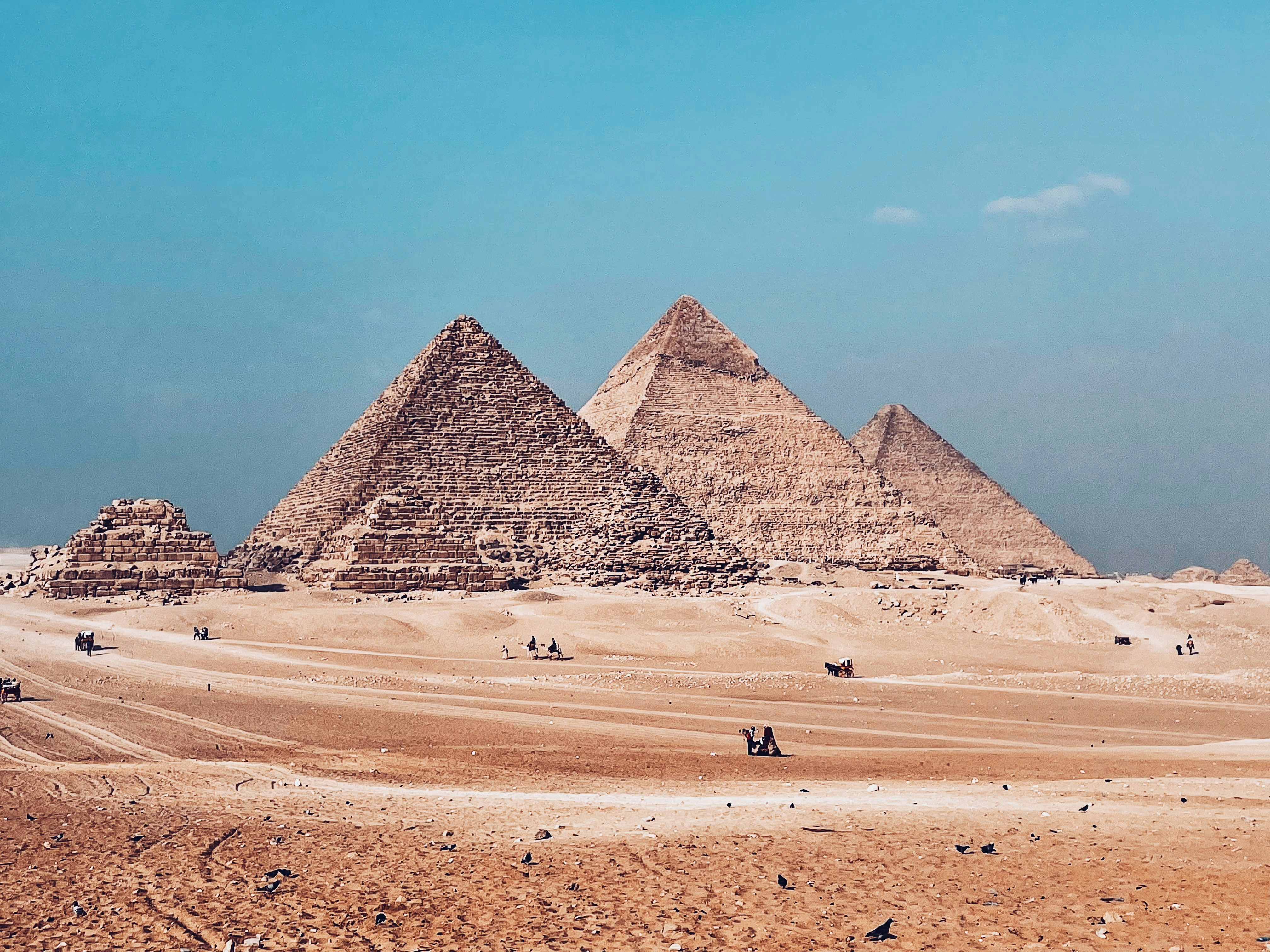
Coptic Cairo offers a perspective on Egypt that goes beyond the pyramids and pharaonic temples.
Here, visitors can explore the history of Christianity in Egypt, see historic churches, examine Coptic art, discover Roman remains, and learn about traditions connected with the Holy Family.
Its compact collection of monuments makes it particularly suitable for travelers looking for a cultural and historical experience in Cairo.
Coptic Cairo and the Wider Historic City
Coptic Cairo should also be understood within the broader history of Cairo.
UNESCO's Historic Cairo designation encompasses archaeological and historic areas representing more than a thousand years of urban development. The heritage landscape includes Al-Fustat and other historic districts alongside major Islamic monuments.
This means travelers can combine Coptic Cairo with Islamic Cairo, the Citadel, Khan el-Khalili, or other historic areas to experience several different chapters of the city's history.
Frequently Asked Questions
What is Coptic Cairo famous for?
Coptic Cairo is famous for its historic Christian churches, the Coptic Museum, Babylon Fortress, and religious sites associated with Egypt's Coptic heritage.
What are the main churches to visit in Coptic Cairo?
Major sites include the Hanging Church, Abu Serga Church, Saint Barbara Church, and Saint George Church. Several are concentrated around the Babylon Fortress area.
Is Coptic Cairo worth visiting?
Coptic Cairo is particularly relevant for travelers interested in Egyptian Christian history, religious architecture, archaeology, and cultural heritage.
How long should I spend in Coptic Cairo?
Around three to four hours is a useful starting point for the principal sites. You may need longer if you want to explore the Coptic Museum in detail.
Can I visit Coptic Cairo and the Pyramids on the same day?
Yes, but the schedule can become busy. For a more relaxed experience, consider combining Coptic Cairo with other Old Cairo attractions rather than trying to cover all of Cairo's major sites in one day.
What should I wear when visiting Coptic churches?
Modest clothing is appropriate when visiting churches and other religious sites. Visitors should also follow the instructions of each individual church regarding photography and access.
What is the Coptic Museum?
The Coptic Museum is a major museum dedicated to Coptic heritage and houses an extensive collection of manuscripts, icons, woodwork, frescoes, and other artifacts. It was inaugurated in 1910.

Comments
Leave a comment