Do Egyptians Love Pets? A Guide to Cats, Dogs in Egypt
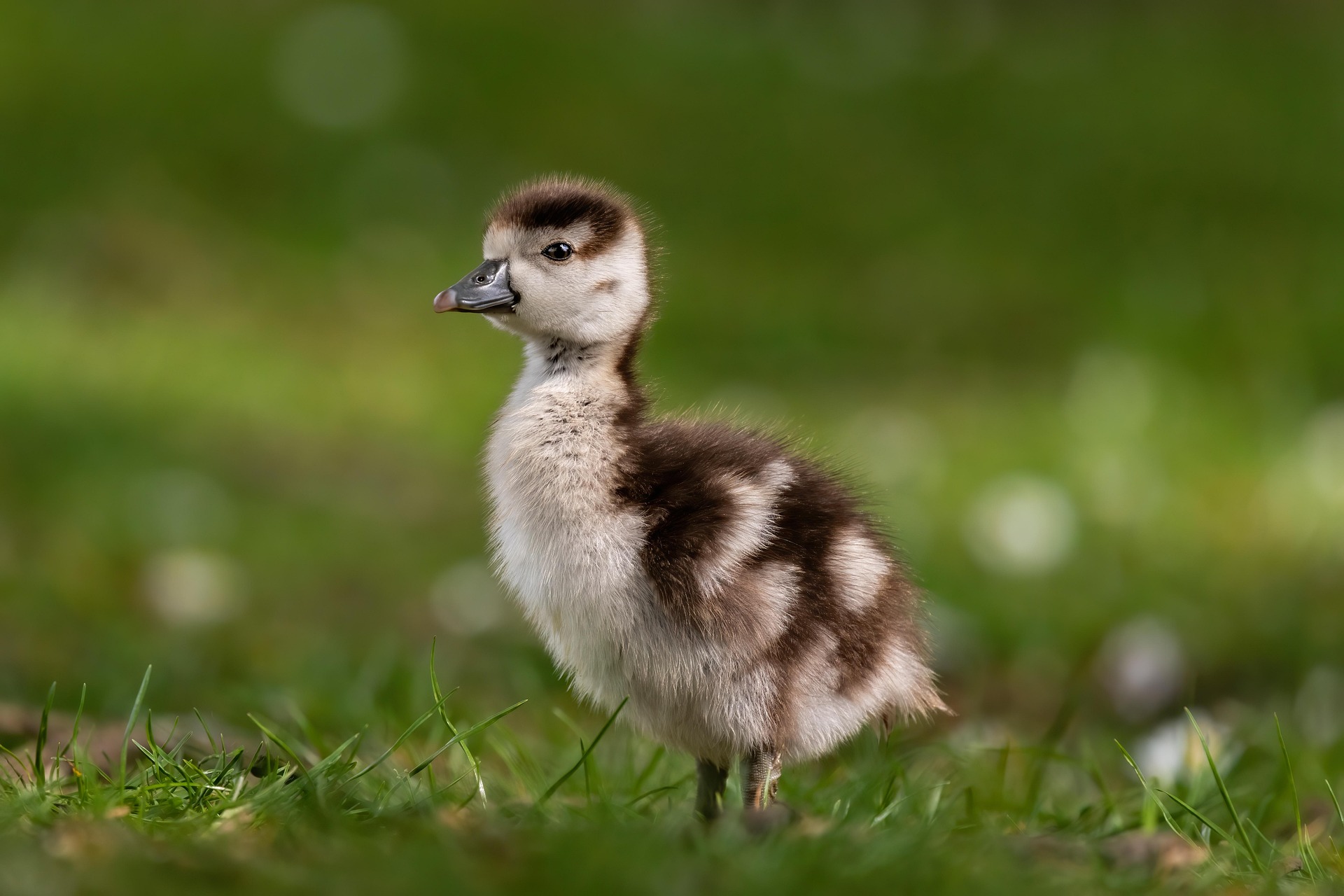
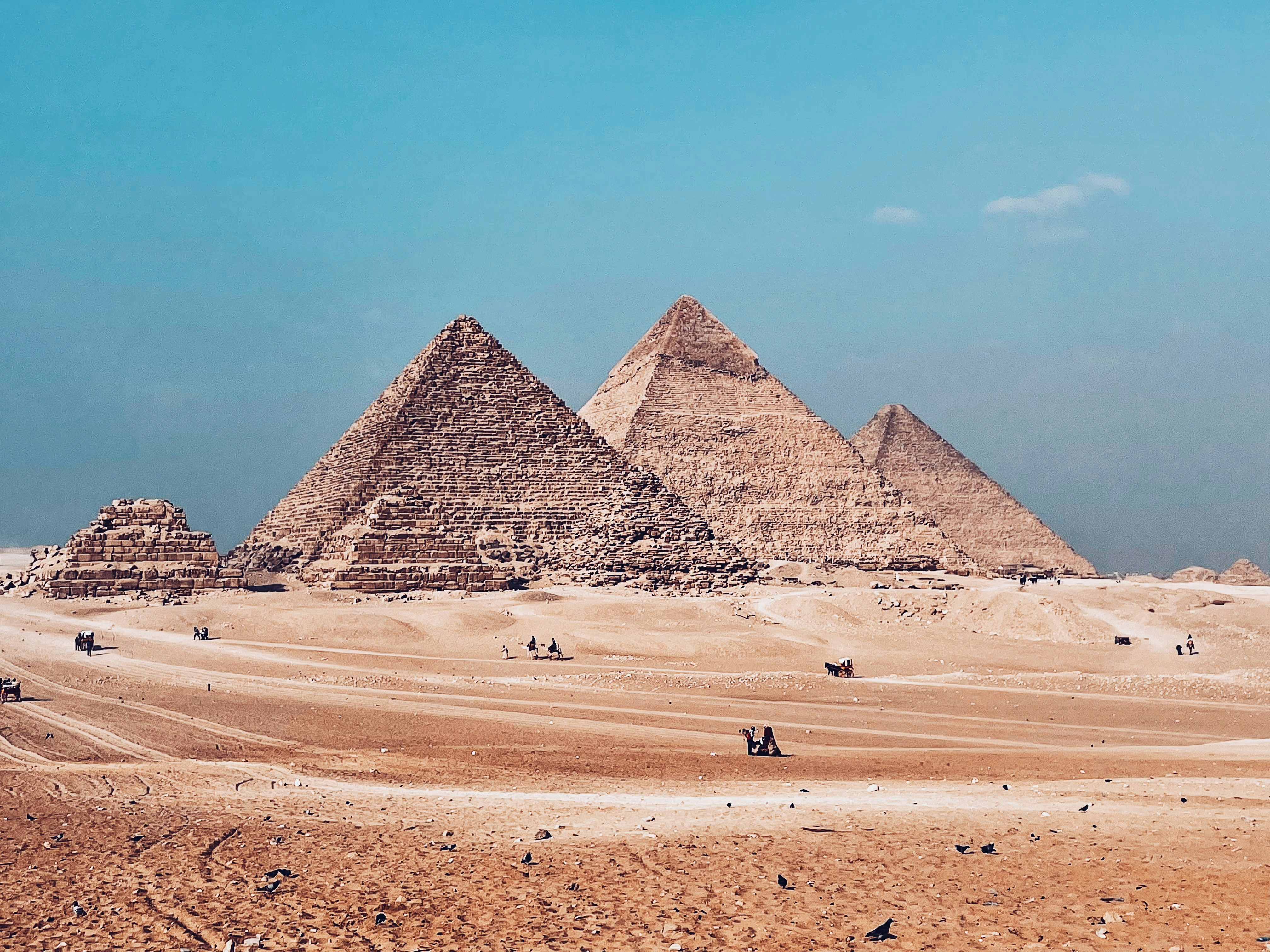
Egypt is famous for its ancient civilization, magnificent temples, the Pyramids of Giza, and the beautiful Nile River. However, there is another interesting side of Egyptian life that many visitors may notice during their travels: the relationship between Egyptians and animals.
Do Egyptians like pets? The answer is yes, many Egyptians love animals and keep pets in their homes, especially cats and dogs. However, attitudes toward domestic animals vary from one person and family to another, depending on personal preferences, traditions, living conditions, and cultural or religious beliefs.
From cats relaxing in family homes to dogs accompanying their owners on daily walks, animals are an important part of everyday life for many people in modern Egypt.
1. Cats in Egypt: A Special Place in Culture and Daily Life
Cats have a remarkable place in Egyptian history. In ancient Egypt, cats were associated with protection and the goddess Bastet, who was linked to home, fertility, and protection.
Today, cats remain popular pets in Egypt. Many Egyptian families enjoy having cats at home because they can be affectionate companions and adapt well to indoor living.
Visitors walking through Egyptian cities, towns, and villages may also see community cats near shops, restaurants, markets, and residential buildings. Some residents regularly provide food and water for these animals, while animal welfare groups and volunteers work to improve their living conditions.
Although ancient Egyptian traditions continue to attract interest, modern Egyptians have different relationships with cats. Some keep them as beloved family pets, others care for street cats, and some prefer not to have animals at home.
2. Dogs in Egypt: Beloved Companions and Working Animals
Dogs are also kept as pets in Egypt, particularly in urban areas where families may have enough space and resources to care for them. Some owners choose small breeds suitable for apartment living, while others prefer larger dogs for companionship, guarding, or outdoor activities.
Dogs can be seen in parks, residential neighborhoods, private gardens, and designated walking areas. In some rural communities, they may also serve practical purposes, such as guarding property or livestock.
However, attitudes toward dogs differ among Egyptians. Some people are passionate dog lovers, while others may feel uncomfortable around dogs or prefer not to keep them for cultural, religious, or personal reasons.
For travelers, it is important to understand that no single attitude represents all Egyptians. Pet ownership is influenced by individual choices, family traditions, and practical considerations.
3. Other Domestic Animals in Egyptian Homes and Villages
Beyond cats and dogs, domestic animals have long played an important role in Egyptian society, especially in rural communities.
Depending on the region, families may raise chickens, ducks, pigeons, rabbits, goats, sheep, or cattle. These animals can provide food, income, and other resources for households.
In agricultural areas around the Nile Valley and Nile Delta, visitors may see farmers caring for livestock or feeding animals near their homes. Donkeys and horses have also historically been used for transportation and agricultural work, although their roles vary today.
These experiences offer travelers a glimpse into rural Egyptian life and the connection between local communities, agriculture, and animals.
4. What Does Egyptian Culture Say About Animal Welfare?
Animal welfare is an important subject in Egypt, as it is around the world. Many Egyptians believe that animals deserve kindness, food, water, and appropriate care. Individuals, veterinarians, rescue organizations, and volunteers contribute to animal welfare in different ways.
At the same time, challenges remain. Stray animals may face hunger, disease, traffic, or unsafe living conditions. Access to veterinary services and the ability to afford pet care can also vary considerably.
Religious values may influence some people's attitudes toward animals, but beliefs and practices are diverse. It is important not to assume that every Egyptian shares the same views about cats, dogs, or other domestic animals.
Responsible pet ownership includes providing suitable food, clean water, veterinary treatment, safe shelter, vaccinations when appropriate, and humane handling.
5. Can Tourists See Animals During a Visit to Egypt?
Yes! Animals can be part of an interesting cultural experience in Egypt.
During a visit to Cairo, Luxor, Aswan, or the Egyptian countryside, travelers may encounter cats around historic neighborhoods, working animals near agricultural areas, horses and donkeys in some communities, and livestock in rural villages.
In Luxor, for example, visitors exploring the West Bank may pass through villages surrounded by farmland, where traditional agricultural life remains visible. These everyday scenes provide a different perspective on Egypt beyond its famous monuments.
Travelers should always treat animals respectfully. Ask permission before approaching or photographing an owned animal, avoid touching unfamiliar animals, and never feed animals food that may be harmful to them.
If you are interested in animal-related activities, choose responsible providers that prioritize animal welfare and avoid experiences involving cruelty, unsafe handling, or animal exploitation.
6. Is Egypt a Good Destination for Animal Lovers?
Egypt can be an interesting destination for people who enjoy learning about animals, local traditions, and rural life. Its history includes fascinating connections with cats, while its contemporary communities offer opportunities to observe the relationship between people, pets, livestock, and the surrounding environment.
Animal lovers can also support responsible local initiatives by learning about animal rescue organizations, following good wildlife and animal-welfare practices, and choosing ethical tourism experiences.
If you are planning a holiday in Egypt, take time to notice the everyday details beyond the major attractions. The animals you encounter and the people who care for them can reveal another side of Egyptian culture.
Final Thoughts: Do Egyptians Like Domestic Animals?
Yes, many Egyptians love domestic animals, especially cats and dogs, while others have different preferences. Animals have played important roles in Egypt throughout its history, from the sacred symbolism of cats in ancient times to the pets, livestock, and working animals found in communities today.
Understanding these different relationships helps visitors appreciate Egypt not only as a destination of ancient wonders but also as a living society with diverse traditions, lifestyles, and attitudes toward animals.
Planning a trip to Egypt? Explore our private Egypt tours to discover local culture, historic landmarks, traditional villages, and unforgettable experiences with a knowledgeable local guide.
Comments
Leave a comment