Egypt in 7 Days: The Perfect First-Time Itinerary
Planning your first trip to Egypt? Discover how to explore the Pyramids of Giza, uncover the secrets of ancient temples in Luxor, experience the beauty of the Nile, and discover the treasures of Aswan in just seven unforgettable days.
Introduction: Is 7 Days Enough to Visit Egypt?
Egypt is a destination where thousands of years of history meet extraordinary landscapes, vibrant culture, and unforgettable travel experiences. From the magnificent Pyramids of Giza to the royal tombs of Luxor and the peaceful waters of the Nile, the country offers something special for every traveler.
If you are visiting Egypt for the first time, seven days can be enough to experience several of its most famous attractions. However, the key is choosing the right destinations and organizing your transportation carefully.
The ideal 7-day Egypt itinerary combines Cairo's ancient wonders with the temples of Luxor and Aswan, with the option of enjoying a short Nile cruise between the southern cities. This route allows you to discover Egypt's most celebrated historical landmarks without spending your entire holiday traveling.
In this guide, you will find a practical day-by-day itinerary, recommended attractions, transportation advice, travel tips, and suggestions for making the most of your first Egyptian adventure.
Your 7-Day Egypt Itinerary at a Glance
- Day 1: Arrive in Cairo and explore the city.
- Day 2: Visit the Pyramids of Giza, the Great Sphinx, and the Grand Egyptian Museum.
- Day 3: Fly to Aswan and discover its ancient temples and Nubian culture.
- Day 4: Explore the Nile route, including Kom Ombo, with an optional stop at Edfu.
- Day 5: Arrive in Luxor and explore Karnak Temple and Luxor Temple.
- Day 6: Discover the Valley of the Kings, Hatshepsut Temple, and the Colossi of Memnon.
- Day 7: Enjoy a final Egyptian experience before departure.
Planning note: This itinerary is a fast-paced independent or private-tour plan, not a standard seven-day cruise schedule. Flight times, sailing schedules, and departure arrangements must be coordinated in advance. If you want a more relaxed trip, consider spending three days in Cairo and four days in Luxor and Aswan, or choosing a dedicated Nile cruise itinerary.
Day 1: Arrive in Cairo — Begin Your Egyptian Adventure
Your Egyptian journey begins in Cairo, a fascinating capital where ancient history and modern life exist side by side.
After arriving at Cairo International Airport, transfer to your hotel, check in, and allow yourself time to rest after your journey.
Depending on your arrival time, you may explore part of the city or enjoy a relaxed evening overlooking the Nile.
What to do in Cairo
Enjoy a Nile-side evening
The Nile is one of the defining features of Cairo. An evening walk or a traditional boat trip can provide a gentle introduction to the city.
Explore traditional Egyptian food
Try local favorites such as koshari, ful medames, taameya, or freshly baked Egyptian bread. Egyptian cuisine is an important part of the country's cultural experience.
Visit Khan el-Khalili if time permits
This historic market area is known for its traditional shops, souvenirs, lanterns, spices, and lively streets. It is an excellent place to experience Cairo's atmosphere.
Overnight in Cairo
Choose accommodation that makes it convenient to reach the Giza Plateau and other attractions the following day.
Day 2: The Pyramids of Giza, the Sphinx, and the Grand Egyptian Museum
Today is one of the highlights of your entire trip.
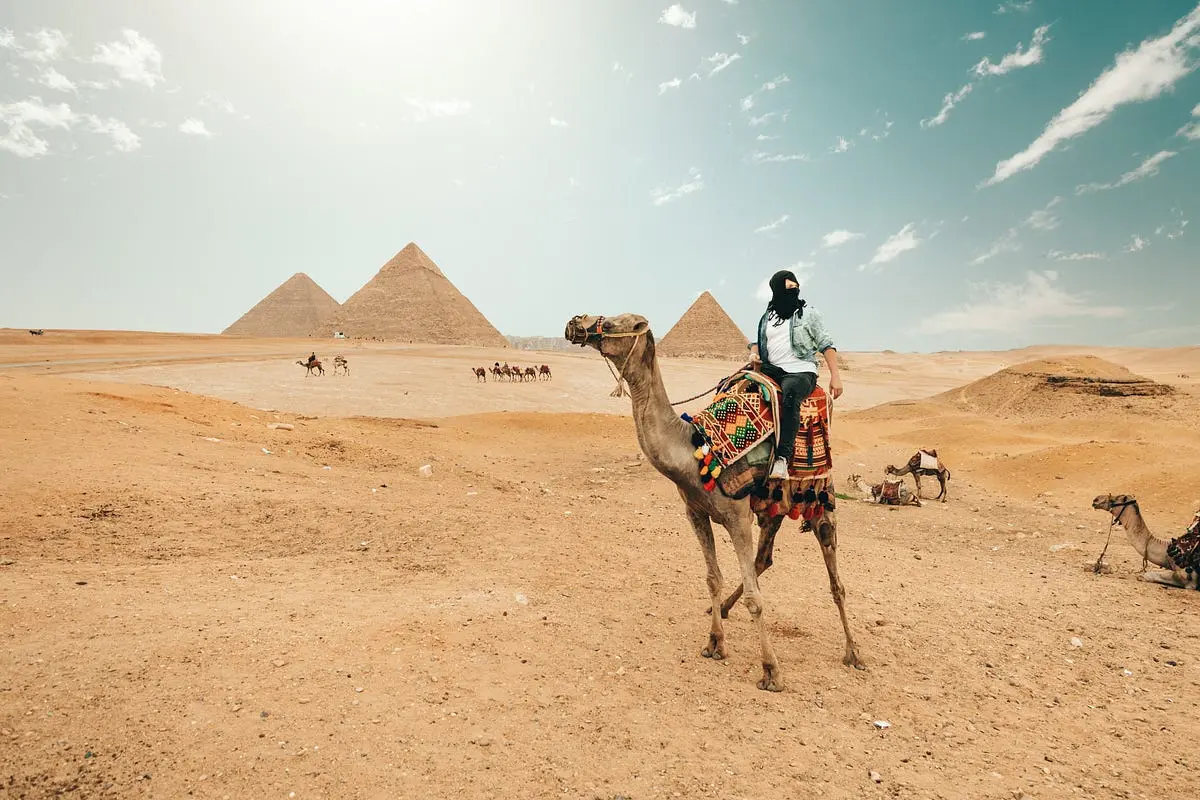
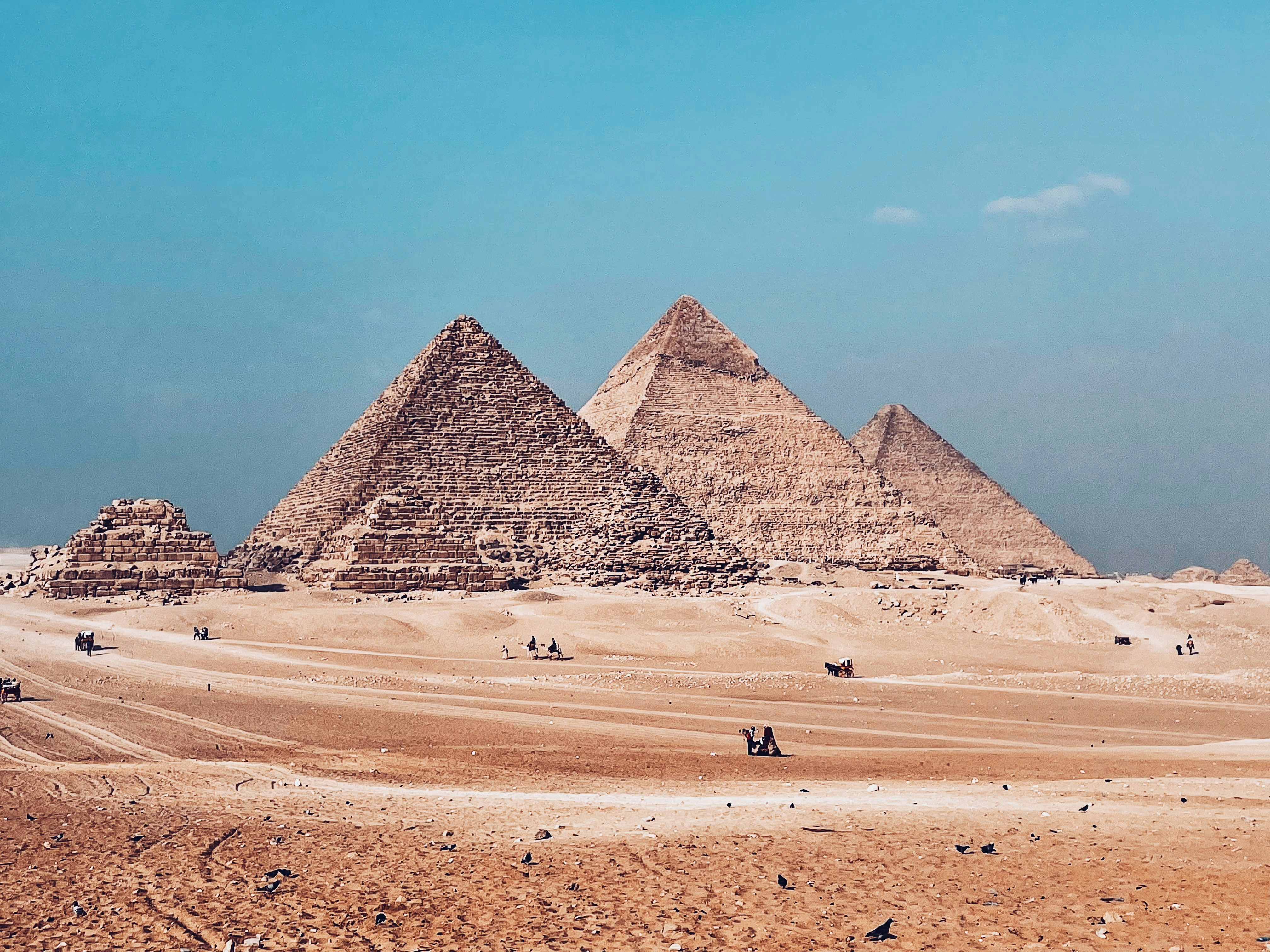
Start early and head to the Giza Plateau, home to the Great Pyramid of Khufu, the Pyramid of Khafre, the Pyramid of Menkaure, and the iconic Great Sphinx.
Visit the Great Pyramids of Giza
The Great Pyramid is the only surviving ancient wonder of the traditional Seven Wonders of the Ancient World. Standing before these immense structures offers a remarkable opportunity to appreciate the engineering skills and organizational achievements of ancient Egyptian civilization.
Walk around the plateau, enjoy panoramic viewpoints, and learn about the pharaohs who commissioned these monumental tombs.
If you wish to enter one of the pyramids, check the separate ticket requirements and access conditions before visiting.
Discover the Great Sphinx
The Great Sphinx, with its human face and lion's body, is among the most recognizable monuments in the world. It has long been associated with royal power and the protection of the Giza funerary complex.
Your guide can explain the leading historical interpretations of the monument and the archaeological questions that continue to interest researchers.
Explore the Grand Egyptian Museum
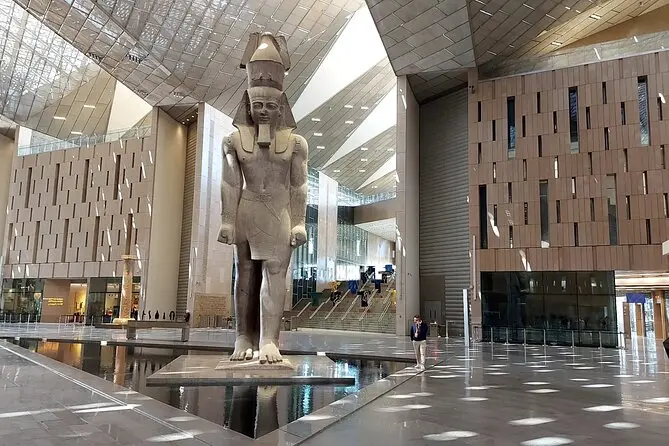
Allow time to visit the Grand Egyptian Museum near the Giza Plateau. Its collections and exhibitions provide a broader introduction to ancient Egypt's rulers, artistic achievements, religious beliefs, and daily life.
Check the museum's current opening arrangements and ticket information before your visit, particularly if you plan to combine it with the pyramids on the same day.
Overnight in Cairo
After a full day exploring ancient monuments, return to your hotel and prepare for your journey south.
Day 3: Fly to Aswan — Discover the Beauty of Southern Egypt
Take a domestic flight from Cairo to Aswan, ideally early enough to enjoy a substantial part of the day.
Aswan has a different atmosphere from Cairo. The Nile flows between granite islands, palm-lined riverbanks, and golden desert landscapes. The city is also an important center of Nubian culture and a starting point for many Nile cruises.
Visit Philae Temple
One of Aswan's most beautiful attractions is Philae Temple, dedicated primarily to the goddess Isis.
The temple complex is famous for its elegant columns, decorated walls, and island setting. It was relocated to protect it from rising water after the construction of the Aswan High Dam.
The sanctuary is an excellent place to discover the stories of Isis, Osiris, and Horus and to understand the importance of ancient Egyptian religious traditions.
Discover the Aswan High Dam
The Aswan High Dam transformed Egypt's water management, supporting irrigation and electricity generation while creating Lake Nasser.
A visit provides a modern historical perspective that contrasts with the ancient monuments found throughout southern Egypt.
Experience Nubian culture
If time allows, explore a Nubian village or enjoy a boat trip on the Nile. Nubian communities have distinctive cultural traditions, architecture, crafts, and cuisine.
Choose a respectful local experience that gives you time to learn about the community rather than treating the visit as simply a photo opportunity.
Overnight in Aswan
Stay in Aswan or board a Nile cruise, depending on your confirmed travel arrangements.
Day 4: Journey Along the Nile — Kom Ombo and Edfu
Today focuses on the remarkable temples that connect Aswan with Luxor.
A Nile cruise is a memorable way to experience this region. Instead of traveling only by road, you can watch the scenery change as the river passes villages, green agricultural land, and desert hills.
Visit Kom Ombo Temple
Kom Ombo Temple is unusual because it is dedicated to two principal deities: Sobek, the crocodile god, and Horus the Elder, a form of the falcon-associated god.
The temple's symmetrical design, carved reliefs, and riverside setting make it a distinctive stop.
The nearby Crocodile Museum, when open and accessible, adds further context about the religious significance of crocodiles in ancient Egyptian life.
Consider Edfu Temple
Edfu Temple, dedicated to Horus, is one of the best-preserved ancient Egyptian temples.
Its monumental entrance, courtyards, reliefs, and inscriptions provide a vivid introduction to ancient religious ceremonies and mythology.
However, visiting both Kom Ombo and Edfu on the same day depends on your transport arrangements. If you are using a cruise, follow its actual sailing and excursion schedule. If traveling privately by road, confirm driving times and opening hours in advance.
Overnight near Edfu or Luxor
Your accommodation depends on whether you are cruising or traveling by private vehicle. Confirm the next day's departure arrangements before booking separate hotels.
Day 5: Arrive in Luxor — Karnak Temple and Luxor Temple
Welcome to Luxor, one of the world's most extraordinary destinations for ancient Egyptian history.
Built around the ancient city of Thebes, Luxor contains an exceptional concentration of temples, tombs, and archaeological sites. It is often called the world's greatest open-air museum.
Explore Karnak Temple
Begin with Karnak Temple, a vast religious complex developed over many centuries.
The Great Hypostyle Hall is particularly impressive, with enormous columns decorated with hieroglyphs and reliefs. The complex was closely associated with Amun-Ra, one of the most important deities of ancient Egypt.
Walk through the courtyards and temple precincts while learning how successive pharaohs expanded the site to demonstrate their devotion and royal authority.
Visit Luxor Temple
Continue to Luxor Temple, located in the heart of the modern city.
Unlike many temples primarily associated with funerary practices, Luxor Temple played an important role in royal and religious ceremonies. Its monumental entrance, statues, columns, and decorated walls reveal the relationship between kingship and the gods.
If your schedule permits, consider visiting later in the day, when the changing light creates a beautiful atmosphere around the ancient stonework.
Overnight in Luxor
Spend the night in Luxor so you can start early the following morning for the West Bank's most famous archaeological sites.
Day 6: Luxor West Bank — The Valley of the Kings and Hatshepsut Temple
Today is dedicated to the royal tombs and monumental architecture of ancient Thebes.
Start early, particularly during warmer months, and allow enough time to explore the sites without rushing.
Discover the Valley of the Kings
The Valley of the Kings served as a royal burial ground for many New Kingdom pharaohs.
The tombs contain passages, chambers, and decorated walls featuring religious texts and scenes intended to assist the deceased king on his journey into the afterlife.
Tutankhamun's tomb is among the most famous discoveries in archaeology, although the valley contains many other remarkable royal burials.
The tombs available to visitors can change, and some require additional tickets. Check the current access arrangements before your visit.
Visit Hatshepsut Temple
The Mortuary Temple of Hatshepsut stands dramatically against the cliffs of Deir el-Bahari.
Hatshepsut was one of ancient Egypt's most remarkable rulers. Her temple's terraces, colonnades, and reliefs reflect her royal authority, religious devotion, and important trading expeditions.
The setting also provides excellent opportunities for photography and for understanding how ancient Egyptian architecture interacted with the surrounding landscape.
See the Colossi of Memnon
Finish with a stop at the Colossi of Memnon, two enormous statues that once stood before the mortuary temple of Amenhotep III.
Although the surrounding temple is largely ruined, the statues remain impressive reminders of the monumental building projects undertaken by ancient Egyptian kings.
Optional additional attractions
If time and energy permit, consider visiting Medinet Habu or the Valley of the Queens. These sites offer further insight into royal religion, funerary architecture, and the artistic achievements of ancient Thebes.
Overnight in Luxor
Enjoy your final evening in Luxor, perhaps with a relaxing meal overlooking the Nile.
Day 7: A Final Egyptian Experience and Departure
Your final day depends on your flight schedule and whether you are departing from Luxor, Cairo, or another airport.
If you have a later departure, enjoy a relaxed breakfast and consider one additional activity.
Option 1: Enjoy a hot-air balloon flight
A sunrise balloon flight over Luxor can offer spectacular views of the Nile, green fields, desert landscapes, and ancient monuments.
Book with an appropriately licensed operator, check the weather and cancellation arrangements, and allow sufficient time for airport transfers. Balloon flights are weather-dependent and may be canceled for safety reasons.
Option 2: Visit a local market
Browse Luxor's shops for papyrus artwork, handmade crafts, textiles, or other souvenirs. Compare prices and choose reputable sellers.
Option 3: Extend your journey
If your international flight leaves from Cairo, arrange a suitable domestic flight or other confirmed connection. Do not assume that a same-day transfer from Luxor to a Cairo international departure will be practical without checking flight schedules and allowing enough time for delays.
If your international departure is from Luxor, use the remaining time for a relaxed breakfast or a short activity close to your hotel.
Your seven-day Egyptian adventure comes to an end, but the memories of the pyramids, temples, and Nile landscapes will remain long after you return home.
Practical Tips for Planning Egypt in 7 Days
1. Book domestic flights and transfers in advance
Traveling between Cairo, Aswan, and Luxor can consume valuable time. Compare flight schedules with train and road options, and leave adequate connection time for international departures.
2. Choose the right itinerary style
You can explore Egypt independently, book private tours, or combine organized excursions with a Nile cruise. Private tours can provide greater flexibility, while group tours may help reduce costs.
3. Start sightseeing early
Temperatures can become high, particularly in Upper Egypt. Early starts help you explore major outdoor archaeological sites in more comfortable conditions.
4. Dress comfortably and respectfully
Wear breathable clothing, comfortable walking shoes, sunglasses, and a hat. Carry drinking water and sun protection, and follow site-specific guidance.
5. Check attraction tickets and opening hours
Ticket prices, opening arrangements, and access to individual tombs or museum galleries can change. Verify details with official sources before traveling.
6. Keep your itinerary realistic
Seven days is enough for an introduction to Egypt, but it is not enough to explore every major destination. Avoid adding Alexandria, the White Desert, or Hurghada without extending your trip or removing other stops.
7. Consider a knowledgeable local guide
A guide can explain the historical context behind the monuments, help coordinate sightseeing, and make complicated travel arrangements easier. Confirm the guide's qualifications, what the price includes, and whether entrance tickets and transportation are separate.
Estimated Budget for a 7-Day Egypt Trip
The cost of your trip depends on your travel dates, accommodation category, domestic flights, transportation, entrance tickets, dining preferences, and whether you choose private or group tours.
Rather than relying on a single advertised price, calculate your budget using these categories:
- International flights to and from Egypt.
- Hotels in Cairo, Aswan, and Luxor.
- Domestic flights or other intercity transportation.
- Entrance tickets to archaeological sites and museums.
- Private guide services or organized excursions.
- Meals, local transport, tips, and personal expenses.
A budget-conscious traveler can reduce costs by choosing simpler accommodation and shared excursions. Travelers who prefer private vehicles, higher-end hotels, and personalized guiding should allow for a larger budget.
A Nile cruise may bundle accommodation, meals, and some excursions, but inclusions vary by boat and package. Compare the complete cost of each option rather than the headline price alone.
Frequently Asked Questions About Visiting Egypt in 7 Days
Is 7 days enough for Egypt?
Yes. Seven days can provide a rewarding introduction to Cairo, the Giza Pyramids, Luxor, and Aswan. You will need to prioritize the main attractions and plan transportation carefully.
What is the best 7-day itinerary for Egypt?
For a first visit, a popular route is Cairo, Aswan, Kom Ombo, Edfu, and Luxor. This combines the pyramids with some of Egypt's most impressive temples and Nile landscapes.
Should I start in Cairo or Luxor?
Cairo is a practical starting point for travelers who want to visit the pyramids first. However, the best starting city depends on international flight availability, domestic connections, and your preferred route.
Can I include a Nile cruise in a 7-day Egypt itinerary?
Yes, but you must match your sightseeing schedule to the cruise's actual departure and sailing dates. A standard four-night cruise may require a different allocation of days than the itinerary presented here.
Is it better to book a private tour or travel independently?
Both can work well. Independent travel offers flexibility, while private tours can simplify transportation and provide a more personalized historical experience. Compare costs, inclusions, and your preferred pace before deciding.
What is the best time to visit Egypt?
The cooler months are generally popular for sightseeing in Cairo and Upper Egypt. The most suitable dates depend on your tolerance for heat, travel budget, and preferred activities. Check the seasonal conditions before booking.
How much money should I bring for a week in Egypt?
There is no single suitable amount for every traveler. Work out your expected costs for hotels, meals, transportation, tickets, and excursions, then keep an additional reserve for unexpected expenses. Check current payment and cash arrangements before departure.
Conclusion: Make Every Day Count in Egypt
A seven-day trip to Egypt can introduce you to some of the world's most extraordinary historical landmarks. From the Great Pyramids of Giza to the sacred temples of Luxor and the peaceful Nile landscapes around Aswan, every destination reveals another part of the country's remarkable story.
The secret to a successful first visit is to plan realistically, choose a route that suits your interests, and leave enough time to appreciate the places you visit.
Whether you explore independently, travel with a private guide, or combine your sightseeing with a Nile cruise, Egypt offers an unforgettable journey through ancient history and living culture.
Ready to plan your Egyptian adventure? Explore our private Egypt tours, Luxor sightseeing experiences, and Nile cruise options to create a journey tailored to your travel dates, interests, and budget.
Comments
Leave a comment