Egypt Through the Ages: Cultural Transitions and Modern Life
Egypt is a country where thousands of years of history remain closely connected to everyday life. From the monumental temples of Luxor and the pyramids of Giza to busy Cairo streets, traditional markets, family gatherings, and modern cafés, Egypt offers travelers an extraordinary combination of ancient heritage and contemporary culture.
Understanding Egyptian culture and history makes a visit much more meaningful. Egypt has experienced major cultural transitions throughout its long history, influenced by ancient Egyptian civilization, Greek and Roman rule, Christianity, Islam, Arab traditions, Ottoman history, and modern global influences. Yet many elements of Egyptian identity have continued across generations.
Today, visitors can experience these transitions not only inside museums and archaeological sites but also through food, music, architecture, religion, family traditions, language, hospitality, and everyday life.
From Ancient Egypt to Modern Egypt
Ancient Egypt developed one of the world's most influential civilizations. The Nile River supported agriculture, transportation, trade, and settlement, while powerful kingdoms built temples, tombs, monuments, and cities along its banks.
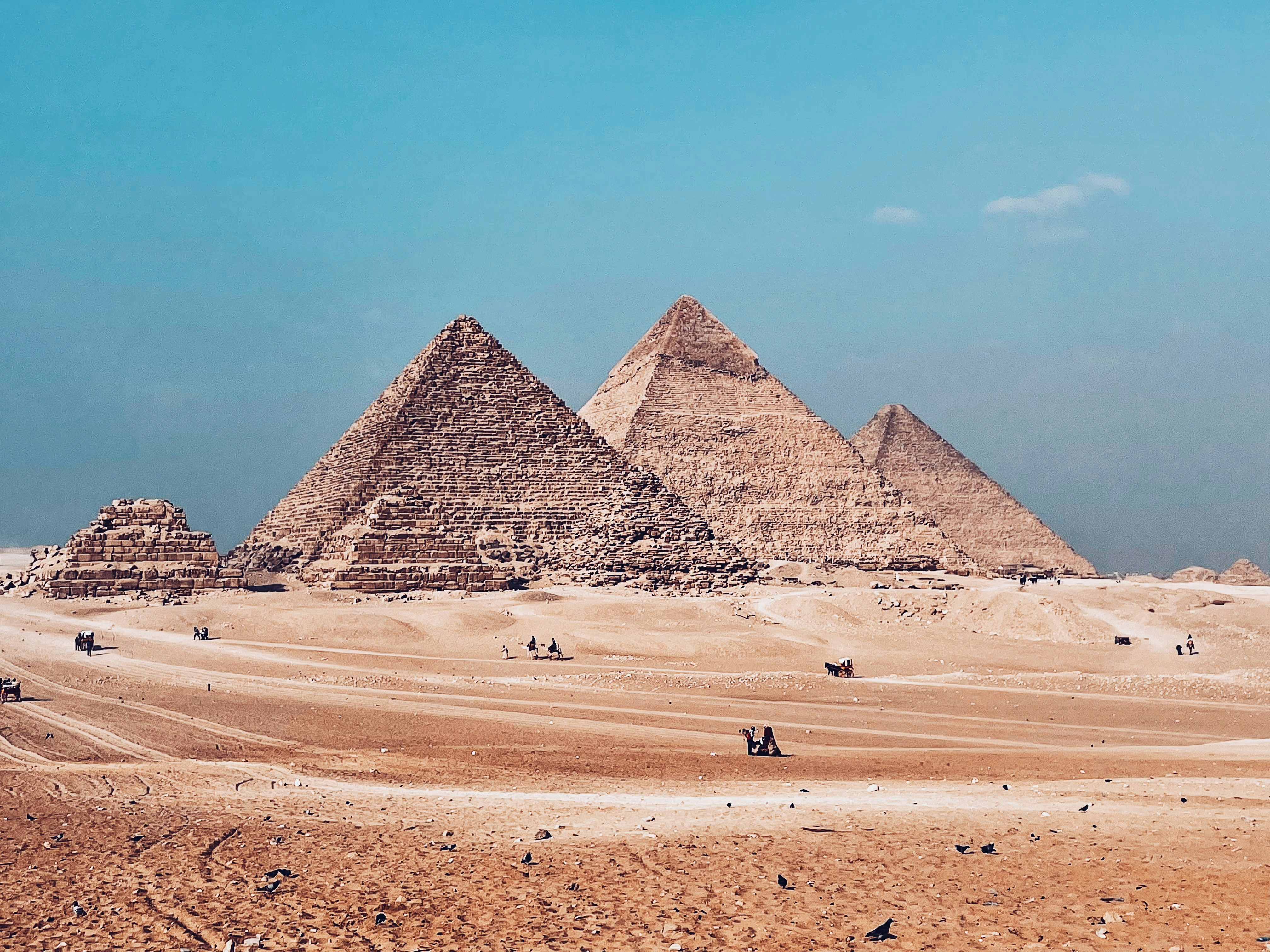
Places such as Giza, Saqqara, Karnak, Luxor, and the Valley of the Kings provide evidence of this remarkable civilization.
However, Egyptian culture did not stop evolving after the pharaonic period. Egypt later became part of the Greek and Roman worlds, followed by centuries of Christian and Islamic development. Each period contributed new architectural styles, traditions, languages, artistic influences, and social practices.
Modern Egypt is therefore the result of many cultural layers rather than a single historical period.
The Nile and Egyptian Identity
The Nile has always played a central role in Egyptian life. Ancient settlements developed around its fertile valley, and the river continues to influence agriculture, transportation, tourism, and daily life.
Traveling along the Nile today provides an excellent opportunity to see this connection between past and present. A Nile cruise between Luxor and Aswan can combine visits to ancient temples with views of villages, farmland, fishermen, and local communities.
The landscape itself demonstrates how closely Egyptian life remains connected to the river.
Egyptian Family and Community Life
Family remains an important part of Egyptian society. Extended families often maintain close relationships, and social gatherings are an important part of everyday life.
Hospitality is another important characteristic of Egyptian culture. Visitors are frequently welcomed warmly, and sharing food and conversation is an important part of social interaction.
For travelers, some of the most memorable experiences may happen outside major archaeological attractions—during a conversation with a local resident, a meal in a traditional restaurant, or a visit to a local market.
Religion and Cultural Traditions
Religion has played an important role in Egypt for thousands of years. Ancient Egyptians developed complex religious beliefs connected with gods, temples, death, and the afterlife.
Later, Christianity became an important part of Egyptian history, particularly through the development of Coptic Christianity. Today, Islam is the majority religion, while Egypt's Coptic Christian community remains an important part of the country's cultural and religious identity.
Travelers can see this diverse heritage through historic mosques, Coptic churches, monasteries, museums, and archaeological sites.
Egyptian Food Culture
Food is one of the easiest ways to experience Egyptian culture.
Traditional Egyptian cuisine includes dishes such as koshari, ful medames, taameya, molokhia, mahshi, and grilled meats. Bread, rice, vegetables, beans, and spices are common elements of Egyptian meals.
Food traditions vary between regions. Cairo, Alexandria, Luxor, Aswan, the Sinai Peninsula, and the Red Sea areas each have their own local influences and specialties.
Trying Egyptian food is more than simply tasting a meal—it provides an opportunity to experience an important part of local social life.
Music, Art, and Entertainment
Music has been part of Egyptian culture since ancient times, although its forms have changed dramatically over the centuries.
Traditional instruments and folk music continue to exist alongside contemporary Egyptian music. Cairo, in particular, has long been an important center for Arabic cinema, music, television, and popular culture.
Traditional performances, local celebrations, weddings, and festivals also provide opportunities to experience Egyptian music and dance.
Traditional Markets and Modern Cities
Egypt's cultural transition can also be seen in its cities.
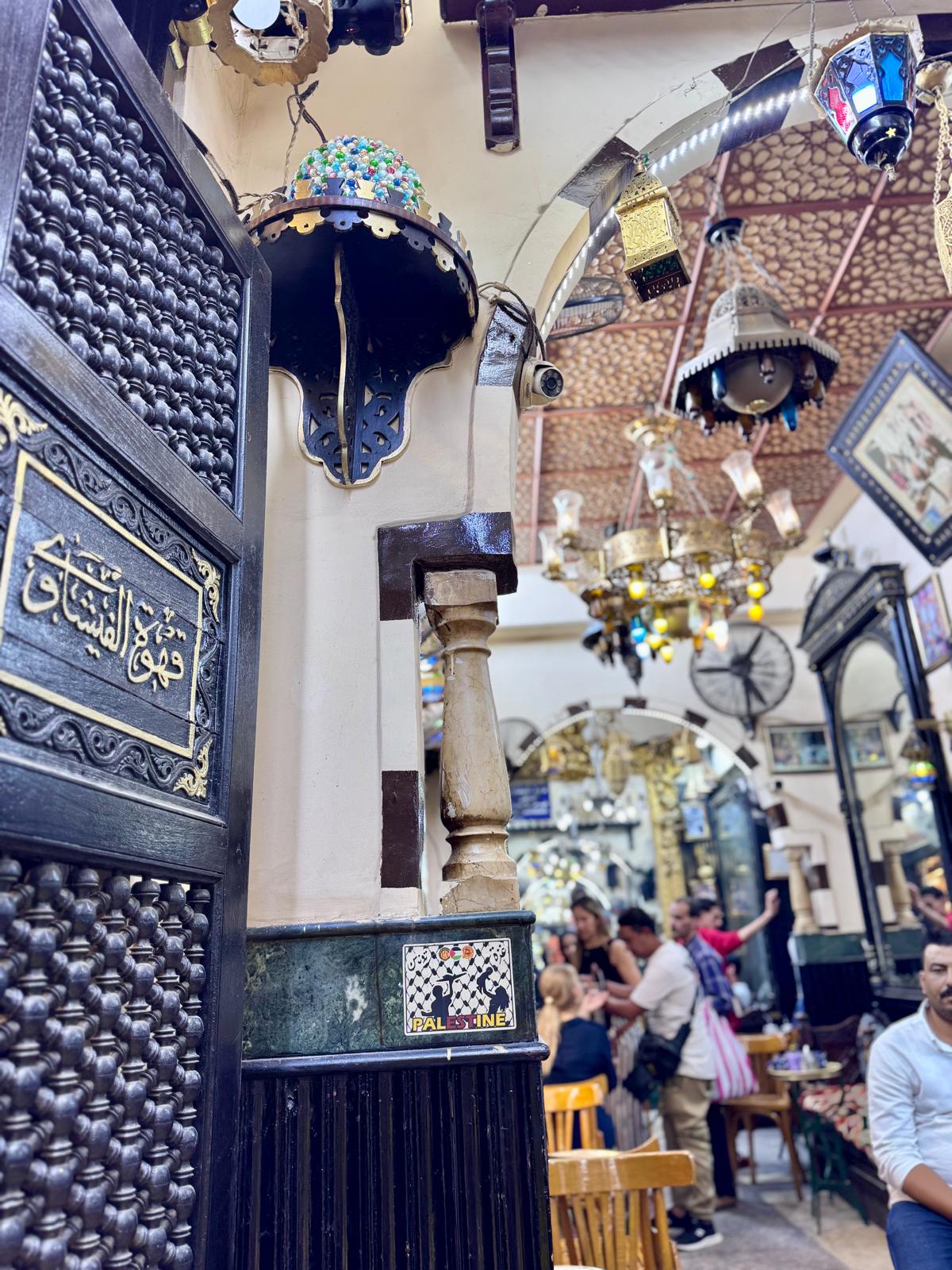
Traditional markets such as Khan El Khalili in Cairo preserve historic commercial traditions, while modern shopping centers, restaurants, cafés, and entertainment districts represent contemporary Egyptian life.
Walking through an Egyptian city can therefore feel like traveling through several historical periods at once.
Historic buildings may stand close to modern offices, traditional shops may operate beside international brands, and ancient monuments can exist within rapidly developing urban environments.
Egyptian Hospitality and Tourism
Tourism has become an important connection between Egyptian culture and the wider world. Millions of travelers visit Egypt to explore its ancient monuments, beaches, deserts, museums, and cultural attractions.
A responsible traveler should remember that Egypt is not simply an archaeological destination. It is a living country with modern communities, traditions, customs, and social values.
Learning a few Arabic expressions, dressing appropriately when visiting religious sites, asking permission before photographing people, and respecting local customs can help create a more positive experience.
Cultural Experiences Travelers Should Consider
Visitors who want to experience more than Egypt's famous monuments can include cultural activities in their itinerary.
Some possibilities include:
- Exploring traditional markets
- Trying authentic Egyptian cuisine
- Visiting Coptic Cairo
- Exploring historic Islamic Cairo
- Taking a traditional felucca ride
- Visiting Nubian communities near Aswan
- Experiencing local markets in Luxor
- Taking a Nile cruise
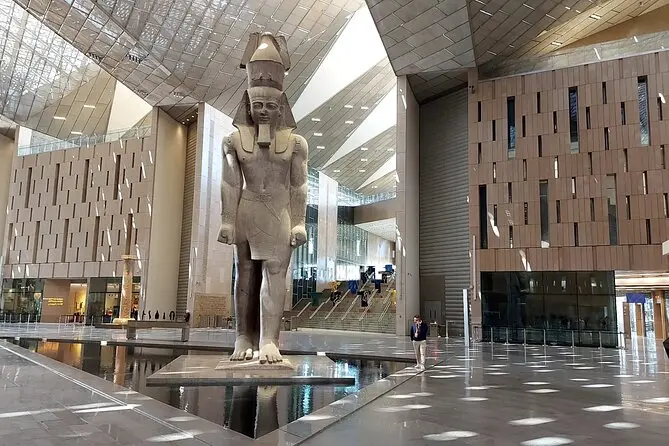
- Visiting Egyptian museums
- Exploring rural areas along the Nile
- Learning about traditional crafts
- Enjoying Egyptian music and cultural performances
These experiences can help travelers understand the country beyond its famous pyramids and temples.
Egypt Today: A Culture That Continues to Evolve
One of the most fascinating aspects of Egypt is that its culture is constantly changing while maintaining strong connections to its past.
Ancient monuments remain symbols of Egyptian identity. Traditional food continues to be prepared in modern homes. Historic neighborhoods remain active parts of modern cities. At the same time, younger generations are influenced by technology, international travel, social media, global entertainment, and changing lifestyles.
This combination of continuity and change makes modern Egypt particularly interesting for travelers.
Why Understanding Egyptian Culture Matters
A trip to Egypt becomes more rewarding when travelers understand the people and culture behind the monuments.
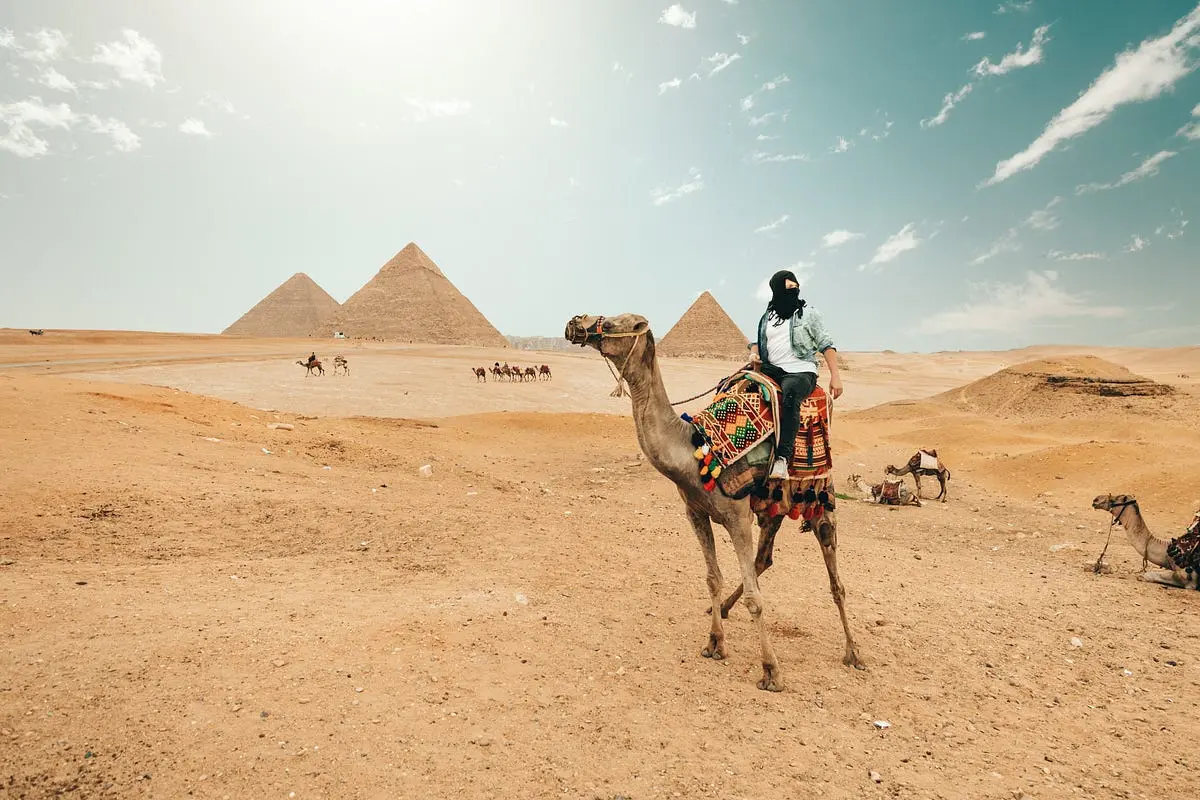
The pyramids tell the story of ancient civilization, but Egyptian culture is much larger than its archaeological heritage. It includes families, communities, food, religion, language, music, hospitality, craftsmanship, and everyday life.
By taking time to experience both ancient sites and modern Egyptian society, travelers can develop a deeper appreciation for the country.
Final Thoughts
Egypt is a destination where history is not confined to museums. It is visible in architecture, traditions, food, religion, language, and everyday life.
From the ancient temples of Luxor to the streets of Cairo, from Nubian villages in Aswan to the Mediterranean atmosphere of Alexandria, Egypt demonstrates how cultures can transform while preserving important connections with the past.
For travelers, discovering Egyptian culture and history is an opportunity to look beyond the pyramids and understand the living civilization that continues to develop along the Nile.
Ready to experience Egypt beyond the famous monuments? Explore Egypt with a local guide and discover its ancient heritage, living traditions, local cuisine, historic neighborhoods, and authentic cultural experiences.
Comments
Leave a comment