Egypt Travel Guide: History, Culture, Food, Beaches and Adventure
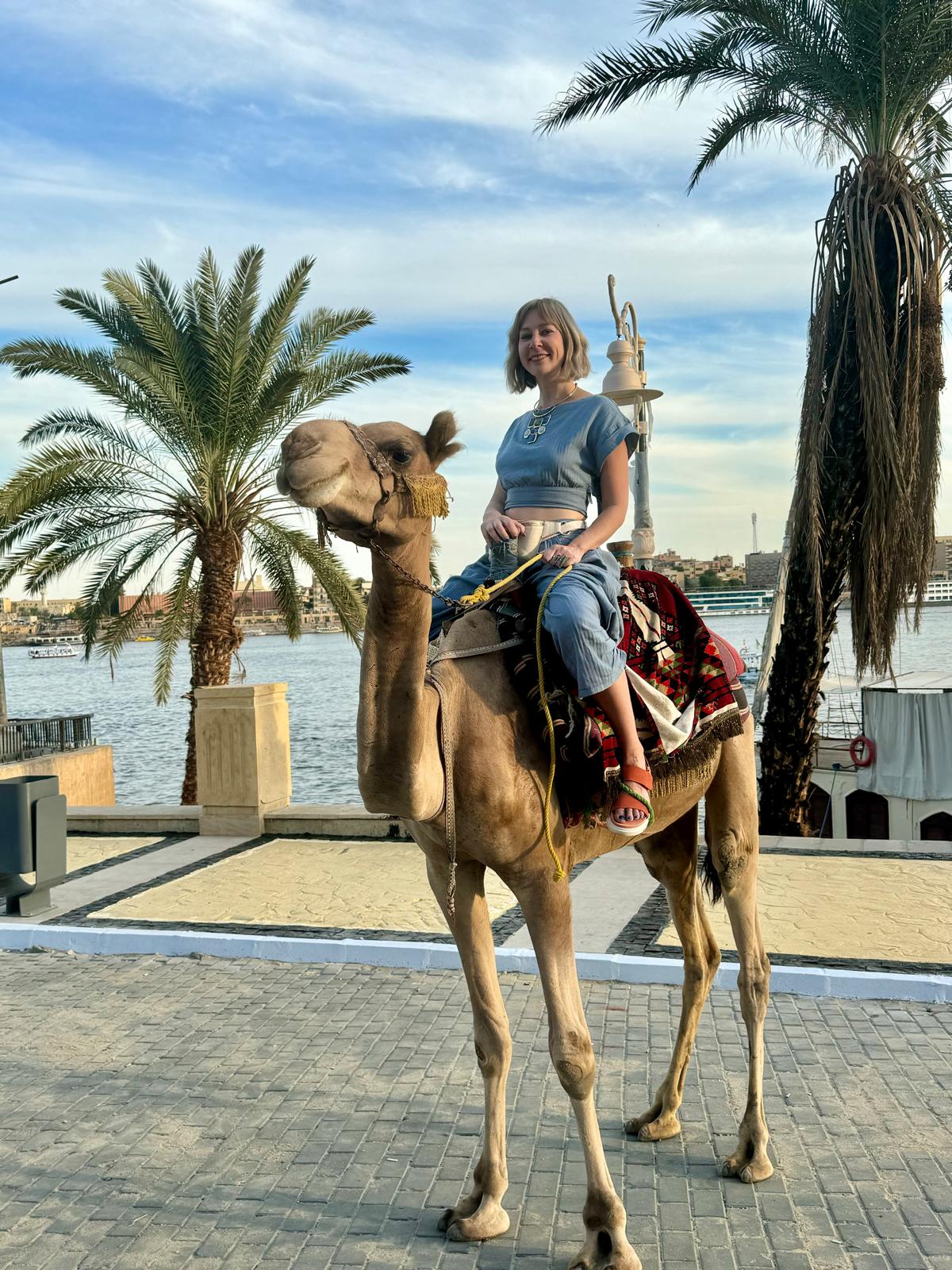
Egypt is a destination where ancient history meets modern life, golden deserts stretch toward the horizon, and the timeless Nile River connects vibrant cities with peaceful countryside. Famous for the Pyramids of Giza and the treasures of the pharaohs, Egypt offers far more than archaeological monuments. It is a country of welcoming communities, distinctive traditions, flavorful cuisine, beautiful beaches, remarkable wildlife, and unforgettable adventures.
Whether you are planning your first visit, dreaming of a Nile cruise, exploring ancient temples, relaxing beside the Red Sea, or discovering everyday Egyptian life, this Egypt travel guide will help you understand what makes the country so special.
From Cairo's busy streets to Luxor's magnificent temples, from the Nubian villages of Aswan to the coral reefs of Hurghada, every region offers a different perspective on Egypt. The best journeys combine famous attractions with meaningful cultural experiences, giving travelers a deeper appreciation of the country's history and its people.
1. Ancient Egypt: A Civilization That Changed the World
Egypt's ancient civilization is one of the main reasons travelers visit the country. Its monumental architecture, religious beliefs, artistic achievements, and written records continue to fascinate historians and visitors alike.
The Pyramids of Giza and the Great Sphinx
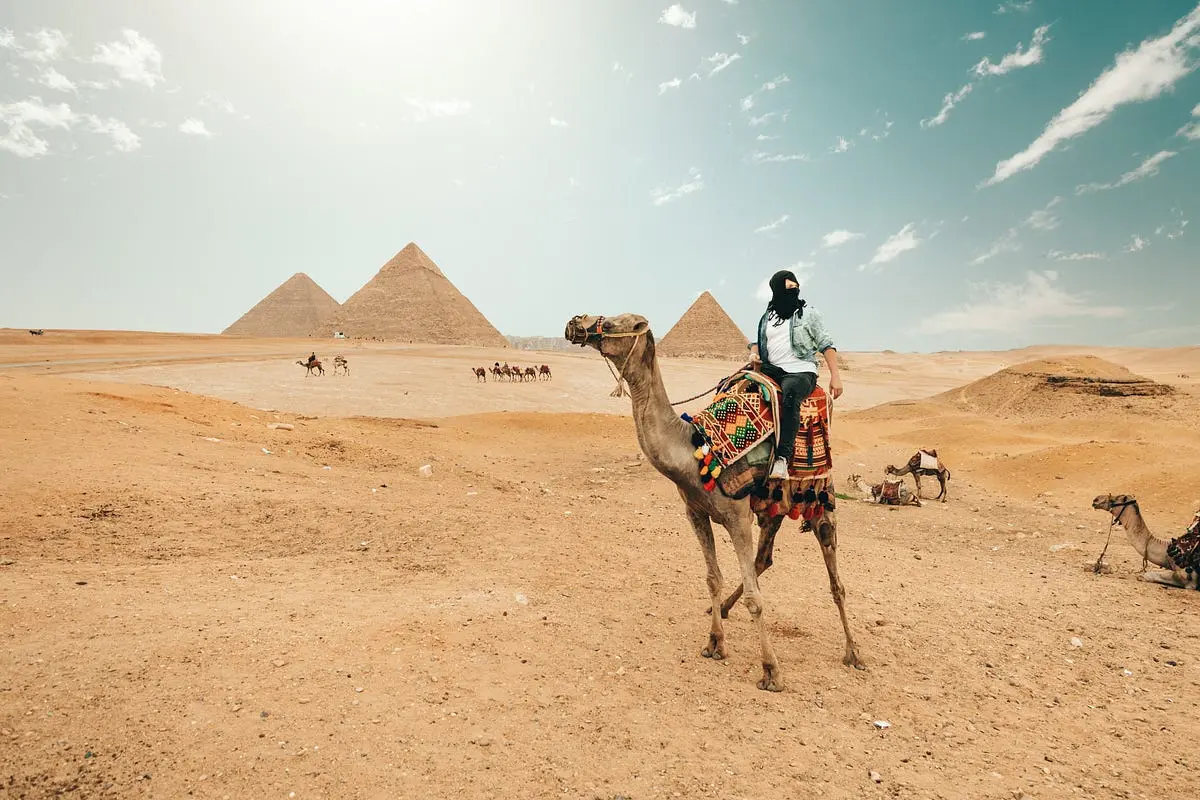
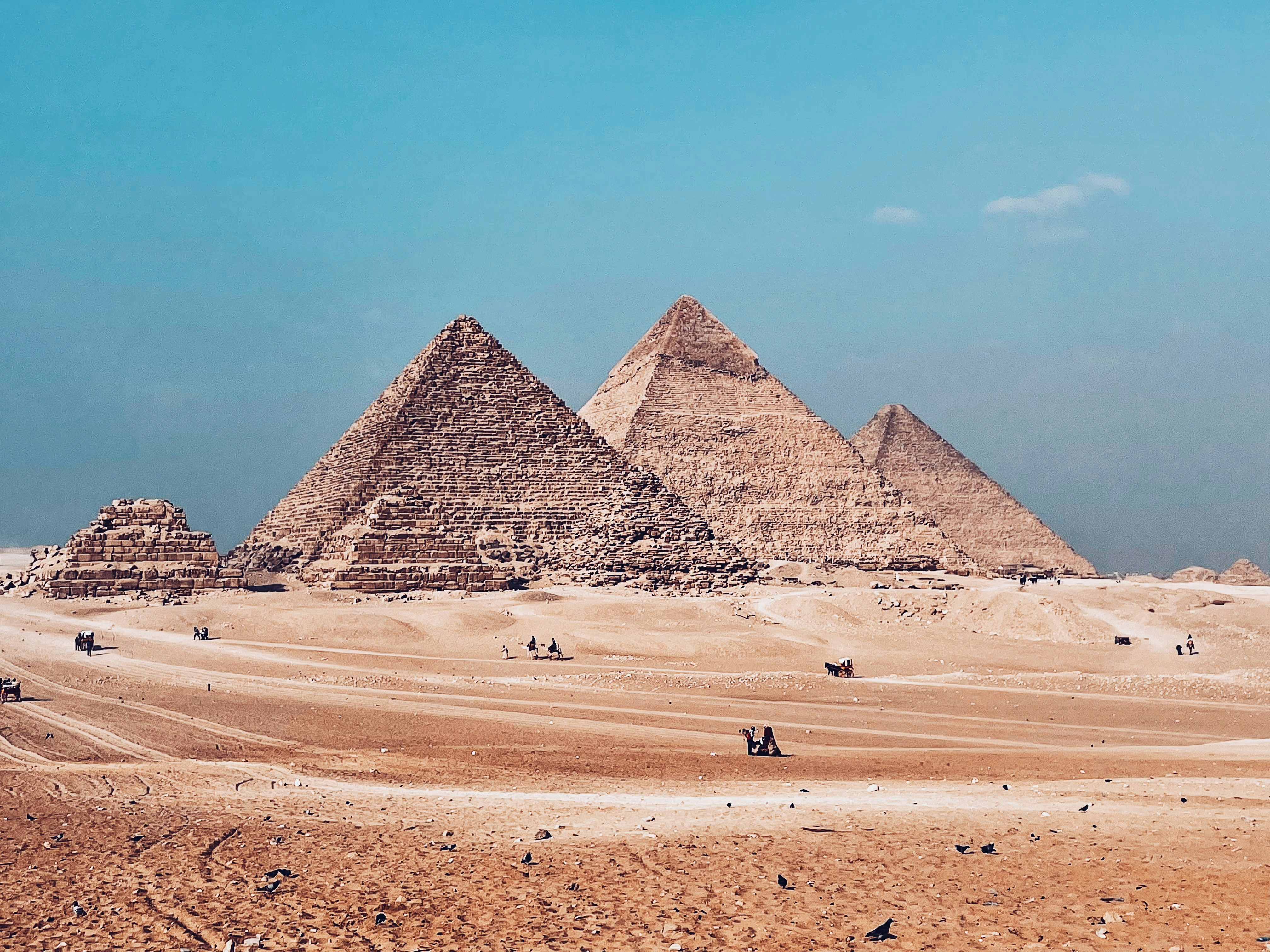
The Pyramids of Giza are among the world's most recognizable landmarks. Built during Egypt's Old Kingdom, the pyramids of Khufu, Khafre, and Menkaure demonstrate the extraordinary organization and engineering abilities of ancient Egyptian society.
Nearby, the Great Sphinx combines a lion's body with a human head and has become one of Egypt's most enduring symbols.
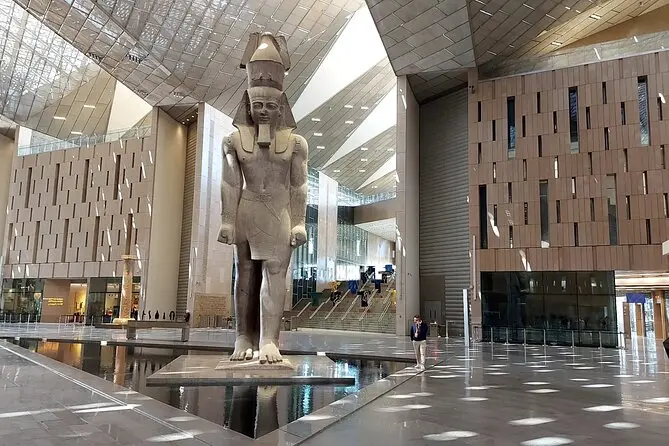
Visitors can explore the Giza Plateau, learn about the construction of the pyramids, visit selected pyramid interiors when available, and discover the surrounding archaeological landscape. The nearby Grand Egyptian Museum adds another dimension to a visit by presenting extensive collections of ancient Egyptian artifacts.
Luxor: The World's Greatest Open-Air Museum
Luxor, located in southern Egypt, stands on the site of ancient Thebes, an important religious and political center during several periods of Egyptian history.
On the East Bank, Karnak Temple reveals centuries of construction through its enormous columns, sacred precincts, and monumental gateways. Luxor Temple is particularly atmospheric in the evening, when its ancient architecture is illuminated.
Across the Nile, the West Bank contains some of Egypt's most remarkable archaeological sites, including the Valley of the Kings, the Temple of Hatshepsut, the Colossi of Memnon, and Medinet Habu.
Travelers interested in lesser-known history can also explore the Valley of the Queens, the tombs of the Nobles, and Deir el-Medina, the ancient settlement of the skilled workers who constructed and decorated royal tombs.
Other Remarkable Historical Destinations
Egypt's ancient heritage extends well beyond Giza and Luxor.
- Abu Simbel: Monumental temples built under Ramesses II, famous for their colossal statues and remarkable solar alignment.
- Dendera: A beautifully decorated temple dedicated primarily to Hathor, featuring an impressive astronomical ceiling.
- Abydos: An important religious center associated with the worship of Osiris and the temple of Seti I.
- Edfu: Home to one of the best-preserved ancient Egyptian temples, dedicated to Horus.
- Kom Ombo: A distinctive double temple associated with Sobek and Horus the Elder.
- Saqqara: An extensive archaeological complex featuring the Step Pyramid of Djoser and many other monuments.
For travelers who enjoy history, visiting different regions reveals how Egyptian civilization developed across thousands of years.
2. Egyptian Culture, Traditions, and Everyday Life
Egypt's identity is shaped by a mixture of ancient heritage, Arab traditions, Mediterranean influences, and regional customs. Although customs differ between communities, hospitality, family relationships, and social gatherings play important roles in many Egyptians' lives.
Egyptian Hospitality
Visitors often discover that everyday interactions become memorable parts of their journey. A conversation with a shopkeeper, a cup of tea offered during a village visit, or a recommendation from a local resident can provide insights that monuments alone cannot offer.
Learning a few Arabic expressions can make these encounters more enjoyable:
- Salam alaikum: Hello or peace be upon you.
- Shukran: Thank you.
- Min fadlak / min fadlik: Please, when addressing a man / woman.
- Kam al-sa'r? How much does it cost?
- La, shukran: No, thank you.
A respectful attitude, modest behavior at religious sites, and asking permission before photographing people are useful ways to engage with local communities.
Traditional Clothing and Celebrations
Traditional clothing remains visible in many parts of Egypt, particularly in rural areas and southern communities. Visitors may see the galabeya, a long traditional garment, alongside contemporary clothing.
Religious holidays such as Eid al-Fitr and Eid al-Adha bring families together for prayers, meals, visits, and celebrations. Coptic Christian communities also celebrate important religious occasions, including Coptic Christmas and Easter.
Wedding customs, folk music, traditional dancing, and regional celebrations vary throughout the country. Experiencing these traditions respectfully can help travelers appreciate the diversity of Egyptian society.
Egyptian Coffeehouses and Social Life
The traditional Egyptian coffeehouse, commonly called an ahwa, is an important social meeting place in many neighborhoods. People gather to drink tea or coffee, talk with friends, watch football, play dominoes, and discuss everyday life.
For travelers, a visit to a local café can be a simple but rewarding way to experience Egypt beyond the major tourist attractions.
3. Egyptian Food: A Journey Through Local Flavors
Food is one of the most enjoyable ways to discover Egypt. Traditional Egyptian cuisine uses grains, legumes, vegetables, herbs, spices, and seasonal ingredients to create satisfying meals with distinctive flavors.
Traditional Dishes to Try
Koshari is one of Egypt's most famous street foods. It combines rice, pasta, lentils, chickpeas, tomato sauce, and crispy onions.
Ful medames is a traditional dish made from slow-cooked fava beans, commonly eaten for breakfast with bread and vegetables.
Taameya, the Egyptian version of falafel, is traditionally made with fava beans and herbs, producing a distinctive green interior.
Molokhia is a popular green-leaf soup or stew, usually served with rice and accompanied by chicken or rabbit in many households.
Mahshi consists of vegetables such as zucchini, peppers, or vine leaves filled with seasoned rice and herbs.
Fattah is often prepared for celebrations and special family occasions, using layers of bread, rice, and meat with a garlic-and-vinegar sauce.
For dessert, try basbousa, konafa, or om ali. Egyptian tea, strong coffee, fresh seasonal fruit juices, and hibiscus drinks known as karkadeh are also popular.
Food preferences and preparation methods vary by region and household, making culinary exploration especially rewarding.
Where to Experience Egyptian Food
Cairo offers a wide variety of traditional restaurants and street-food stalls. Luxor and Aswan provide opportunities to try southern Egyptian dishes, while coastal destinations feature seafood and international cuisine.
Travelers with allergies or dietary restrictions should explain their needs clearly and confirm ingredients before ordering. Drinking bottled or appropriately treated water is generally a sensible precaution for visitors unfamiliar with local water supplies.
4. The Nile River: The Heart of Egypt
The Nile has shaped Egyptian life for thousands of years. Its waters supported agriculture, connected settlements, and helped sustain one of history's most influential civilizations.
Today, the river remains one of the country's most memorable travel experiences.
Discover Egypt on a Nile Cruise
A Nile cruise between Luxor and Aswan combines comfortable travel with opportunities to explore some of Upper Egypt's most important temples and landscapes.
Depending on the itinerary, travelers may visit Karnak Temple, Luxor Temple, the Temple of Horus at Edfu, Kom Ombo, and Philae Temple in Aswan. Cruise programs vary, so visitors should check which excursions are included before booking.
A cruise also offers time to enjoy the riverbanks, watch traditional boats, photograph rural scenery, and relax between sightseeing stops.
Felucca Sailing at Sunset
For a slower experience, a traditional felucca sailing trip offers a peaceful way to enjoy the Nile. These sailboats use the wind rather than a conventional engine, creating a quieter experience when conditions are suitable.
Sunset sailing in Luxor or Aswan can be especially beautiful, with changing colors across the water and surrounding landscape.
Life Along the River
The Nile is not only a scenic attraction. It remains connected to farming, transportation, fishing, and community life. Observing the river respectfully helps travelers understand its continuing importance to modern Egypt.
5. Egypt's Red Sea: Beaches, Coral Reefs, and Marine Adventures
Egypt is also an outstanding destination for travelers seeking sunshine, beaches, and water activities.
Hurghada: A Gateway to Red Sea Adventures
Hurghada is known for its beach resorts, boat excursions, and access to colorful coral reefs. Visitors can enjoy snorkeling, scuba diving, island trips, private boat charters, and sunset cruises.
Popular excursions may include visits to Giftun Island and Orange Bay, depending on the operator and sea conditions. Dolphin-watching trips are also offered, although sightings cannot be guaranteed and responsible operators should avoid disturbing marine wildlife.
For travelers who prefer land-based activities, desert safaris, quad biking, buggy rides, and Bedouin-style dinners provide a contrast to the coastal environment.
Sharm El Sheikh and the Sinai Peninsula
Sharm El Sheikh is another major Red Sea destination, particularly popular with divers and snorkelers. The surrounding region offers access to coral reefs, marine parks, and desert landscapes.
Travelers should check local access rules, excursion conditions, and any applicable restrictions before visiting remote areas.
Marsa Alam: A Quieter Coastal Experience
Marsa Alam is known for its reefs, diving opportunities, and potential encounters with marine life. Some areas provide opportunities to see sea turtles and dugongs, although wildlife sightings are never guaranteed.
When choosing a marine excursion, prioritize operators that respect wildlife, protect coral reefs, and provide appropriate safety equipment.
6. The Egyptian Desert: Adventure Beyond the Cities
Egypt's deserts offer dramatic scenery, geological formations, remote oases, and opportunities for adventure.
Desert Safaris and Bedouin Experiences
Desert excursions from Hurghada and other destinations may include jeep rides, quad biking, camel experiences, traditional meals, and stargazing.
Travelers should choose reputable operators, follow safety instructions, wear suitable clothing, and carry adequate sun protection. Anyone participating in motorized activities should use appropriate protective equipment and follow the guide's instructions.
The White Desert and Western Desert Oases
The White Desert is famous for its unusual chalk formations shaped by wind erosion. The surrounding Western Desert contains oases, historic settlements, and landscapes that feel very different from Egypt's crowded urban centers.
Siwa Oasis is particularly known for its distinctive cultural identity, palm groves, salt lakes, and desert scenery. Because remote desert travel requires careful logistics, visitors should arrange transportation and accommodation with experienced local operators.
7. Egyptian Wildlife and Nature
Egypt's natural environment is more diverse than many visitors expect.
The Red Sea supports coral reefs and a wide range of marine species. The Nile Valley provides habitats for birds and other wildlife, while wetlands and coastal lakes attract migratory birds.
Desert environments support specially adapted plants and animals, although many species are difficult to spot during ordinary tourist excursions.
Birdwatching, snorkeling, responsible diving, and guided nature trips can introduce visitors to this less familiar side of Egypt.
Conservation matters throughout the country. Travelers should avoid touching coral, feeding wild animals, removing natural objects from protected areas, or purchasing products made from protected wildlife.
8. Shopping in Egypt: Markets, Crafts, and Souvenirs
Shopping can be an enjoyable part of an Egyptian holiday, particularly for travelers interested in traditional craftsmanship.
Markets offer spices, cotton products, scarves, handmade jewelry, pottery, papyrus-style artwork, perfumes, and souvenirs. Khan el-Khalili in Cairo is one of the country's best-known historic market districts, while Luxor and Aswan have their own shopping streets and local craft shops.
Bargaining is common in some traditional markets, but it is not appropriate everywhere. Ask the price politely, negotiate respectfully when customary, and agree on the final amount before paying.
For higher-value purchases, confirm the material, quality, authenticity, and return policy. Travelers should also check applicable export rules before purchasing antiquities or items that may be culturally protected.
9. Egypt for Families, Couples, and Solo Travelers
Egypt offers a wide range of experiences for different types of visitors. Choosing a suitable pace and itinerary is important for making the trip enjoyable.
Family Holidays in Egypt
Families can combine pyramids, museums, boat rides, beach days, and age-appropriate cultural activities. Younger children may benefit from shorter sightseeing periods, regular breaks, and accommodations with suitable facilities.
Parents should consider heat, walking distances, transport times, and the interests of each family member when planning excursions.
Romantic Getaways and Honeymoons
Couples can enjoy sunset felucca rides, a Nile cruise, seaside resorts, historic hotels, and private sightseeing tours. A balanced itinerary combining cultural visits with relaxation often works better than attempting to see every attraction in a short time.
Solo Travel in Egypt
Solo travelers can explore Egypt independently or arrange guided excursions for particular destinations. As in any country, sensible precautions include confirming transport arrangements, keeping valuables secure, agreeing on prices in advance, and respecting local customs.
Travelers should consult current official travel advice before departure and follow local guidance during their stay.
10. Egypt's Festivals, Music, and Traditional Arts
Egyptian culture includes a rich variety of music, performance, crafts, and celebrations.
Traditional music differs between Cairo, Upper Egypt, the Nile Delta, Nubian communities, and the Sinai Peninsula. Visitors may encounter folk songs, percussion, regional dances, and performances at cultural venues or special events.
Tanoura performances, associated with spinning movements and colorful costumes, are popular in some tourist settings. Nubian music and hospitality offer another cultural perspective, especially around Aswan.
Handmade crafts, weaving, pottery, embroidery, and other traditional skills also reflect regional identities.
When attending performances or visiting communities, choose experiences that treat local people and their traditions respectfully rather than presenting culture as a staged curiosity.
11. Practical Travel Tips for Visiting Egypt
Good preparation can make a significant difference to your holiday.
Best Time to Visit Egypt
For many sightseeing trips, the cooler months from approximately October to April are comfortable for exploring archaeological sites. Summer can be extremely hot, particularly in Luxor and Aswan, although it may suit travelers seeking resort holidays along the Red Sea.
Conditions vary each year, so check the forecast before traveling.
What to Wear
Lightweight, breathable clothing is useful in warm weather. Comfortable walking shoes are important at archaeological sites, where the ground may be uneven.
Modest clothing is advisable when visiting mosques and religious communities. A hat, sunglasses, and high-SPF sunscreen are valuable for outdoor sightseeing.
Money and Payments
The Egyptian pound is the local currency. Card payments are accepted by many hotels, larger businesses, and tourist establishments, but cash remains useful for small purchases, local transport, tips, and some rural locations.
Use reputable exchange services or ATMs, check bank fees, and keep small denominations available for everyday transactions. Avoid carrying more cash than necessary.
Transportation Around Egypt
Domestic flights can save time between distant cities. Trains, private vehicles, taxis, and organized excursions provide other ways to travel, depending on the destination and budget.
For sightseeing in Luxor, Cairo, or Aswan, a well-planned private tour may help reduce logistical difficulties and make it easier to understand the historical sites.
Health, Safety, and Comfort
Egypt's climate requires attention to hydration, sun protection, and rest, especially during summer. Carry essential medication, follow food and water precautions, and seek appropriate medical advice if needed.
Before booking an activity, verify what the price includes, the duration, transportation arrangements, entrance fees, and cancellation terms.
Travel requirements, visa rules, opening hours, and attraction prices can change. Confirm current information through official sources before departure.
12. Responsible Tourism: How to Travel Better in Egypt
Responsible tourism helps protect Egypt's cultural heritage and natural environment while supporting local communities.
Visitors can make a positive difference by hiring qualified local guides where appropriate, purchasing authentic local crafts, supporting reputable family-run businesses, and following site regulations.
At archaeological locations, never climb restricted structures, touch fragile reliefs, or remove stones and artifacts. Ask before photographing residents, particularly children, and respect religious practices.
At sea, choose responsible snorkeling and diving operators, never stand on coral, and avoid activities that harass dolphins or other wildlife.
A thoughtful approach allows travelers to enjoy Egypt while helping preserve the places and traditions that make it unique.
13. How to Plan an Unforgettable Egypt Itinerary
The ideal itinerary depends on your interests, available time, travel style, and budget.
For a short visit: Focus on Cairo, the Giza Pyramids, the Grand Egyptian Museum, and selected cultural experiences.
For a history-focused holiday: Combine Cairo with several days in Luxor and Aswan, allowing enough time for temples, tombs, and museums.
For a classic Egypt experience: Combine Cairo, Luxor, Aswan, and a Nile cruise, adjusting the number of nights to your schedule.
For a beach and adventure holiday: Choose Hurghada, Sharm El Sheikh, or Marsa Alam, with optional desert activities and snorkeling excursions.
For a deeper cultural journey: Include destinations such as Dendera, Abydos, Deir el-Medina, Nubian villages, local markets, and traditional food experiences.
Rather than trying to visit every destination in one trip, choose experiences that match your interests and leave enough time to enjoy each place.
Conclusion: Egypt Is More Than an Ancient Civilization
Egypt is a country of extraordinary contrasts. Ancient temples stand beside living communities, the Nile connects fertile farmland with desert landscapes, and the Red Sea offers a completely different world beneath its clear waters.
Its appeal lies not only in famous monuments but also in traditional food, music, markets, local hospitality, natural beauty, and the many ways visitors can explore the country.
Whether you dream of standing before the Pyramids of Giza, discovering the tombs of Luxor, sailing along the Nile, exploring desert landscapes, or relaxing on a Red Sea beach, Egypt offers experiences for many different interests and budgets.
The most rewarding trip is one that combines the country's great landmarks with opportunities to discover its people, culture, and everyday life.
Ready to discover Egypt? Explore our private tours, cultural experiences, Nile cruise options, and tailor-made holiday packages to plan a journey that suits your interests, schedule, and budget.
Let Egypt's history, hospitality, and natural beauty become part of your next adventure.
Comments
Leave a comment