Egypt Travel Mistakes That Can Ruin Your First Trip

Traveling to Egypt for the first time can be an unforgettable experience. From the Great Pyramids of Giza and ancient temples in Luxor to Nile cruises, colorful markets, Red Sea beaches, and the temples of Abu Simbel, Egypt offers an incredible combination of history, culture, adventure, and relaxation.
However, first-time visitors sometimes make simple mistakes that can make their holiday more stressful, expensive, or less enjoyable than expected. Knowing what to expect before arriving can help you save time, avoid unnecessary costs, respect local customs, and enjoy a smoother Egyptian adventure.
In this guide, we explain some of the most common Egypt travel mistakes and how to avoid them.
1. Trying to See All of Egypt in a Few Days
One of the biggest mistakes first-time visitors make is trying to visit too many destinations during a short holiday.
Egypt is a large country, and major tourist destinations are spread across different regions. Cairo, Luxor, Aswan, Abu Simbel, Hurghada, Sharm El Sheikh, Alexandria, and the Western Desert cannot realistically be explored properly in only a few days.
Instead of rushing between destinations, create a realistic itinerary based on your available time.
For example, a seven-day Egypt holiday could combine Cairo with Luxor and a Nile cruise. A longer trip could include Aswan, Abu Simbel, and a Red Sea destination such as Hurghada.
2. Not Planning Internal Transportation
Egypt's main tourist attractions are not all close to each other. Transportation can have a major impact on your holiday experience.
Travelers may use domestic flights, trains, private vehicles, Nile cruises, or organized transfers depending on their itinerary.
If you are traveling from Cairo to Luxor or Aswan, for example, choosing the right transportation in advance can save considerable time.
For multi-city holidays, consider booking your major transportation before arriving, especially during busy travel periods.
3. Booking Every Tour at the Last Minute
Spontaneous travel can be enjoyable, but leaving every tour until the last minute can create unnecessary problems.
Popular experiences such as hot-air balloon rides in Luxor, private Nile Valley tours, Abu Simbel excursions, snorkeling trips, and private desert activities may have limited availability on certain dates.
If a particular experience is important to you, reserve it early.
A private Egypt tour can also be customized around your arrival times, hotel location, preferred sightseeing pace, and interests.
4. Choosing a Tour Based Only on the Lowest Price
The cheapest tour is not always the best value.
When comparing Egypt tours, look carefully at what is included. A low advertised price may exclude entrance tickets, transportation, meals, hotel pickup, professional guiding, or other important services.
Before booking, check:
- Private or shared transportation
- Professional guide
- Entrance fees
- Hotel pickup and drop-off
- Meals
- Domestic flights or trains
- Cruise accommodation
- Airport transfers
- Any additional fees
A transparent tour price makes it easier to compare different options.
5. Forgetting That Tipping Is Common
Tipping is an important part of the service culture in Egypt.
Travelers may encounter situations where tipping is customary, including restaurants, hotel services, drivers, guides, and other tourism-related services.
You do not need to tip every person you meet, but it is useful to carry some Egyptian pounds for appropriate situations.
Ask your guide or hotel staff about reasonable tipping practices if you are unsure.
6. Carrying Only Large Banknotes
Another common mistake is carrying only large Egyptian pound notes.
Small purchases, snacks, short services, and tips are often easier to pay for with smaller denominations.
Keep a selection of smaller notes available, but avoid carrying unnecessarily large amounts of cash.
Major hotels, restaurants, and many tourist businesses may accept cards, but cash remains useful in many everyday situations.
7. Not Checking the Weather Before Packing
Egypt is famous for sunshine, but temperatures can vary significantly between destinations and seasons.
Cairo, Luxor, Aswan, Hurghada, and the Mediterranean coast can have different conditions during the same period.
Summer sightseeing in southern Egypt can be particularly hot, while winter mornings and evenings may feel surprisingly cool.
Before your trip, check the expected weather for every destination on your itinerary and pack accordingly.
Comfortable walking shoes, sun protection, lightweight clothing, and a light jacket for cooler evenings can all be useful.
8. Ignoring Egypt's Dress Customs
Egypt is a predominantly Muslim country with its own cultural expectations regarding clothing.
Tourist resorts and beach destinations generally have a more relaxed atmosphere, but visitors should dress more conservatively when visiting religious sites, local neighborhoods, and traditional communities.
When visiting mosques, shoulders and knees should generally be covered, and women may need to cover their hair depending on the location and circumstances.
Respectful clothing is not only culturally appropriate; it can also make your interactions with local people more comfortable.
9. Underestimating the Sun
Egypt's strong sunshine can affect travelers who are not accustomed to the climate.
Long days visiting archaeological sites can involve considerable walking and exposure to direct sunlight.
Bring:
- Sunscreen
- Sunglasses
- A hat
- Reusable drinking water
- Comfortable shoes
- Light, breathable clothing
Try to schedule outdoor sightseeing during the cooler parts of the day whenever possible.
10. Drinking Tap Water Without Checking
First-time visitors should be careful about drinking tap water.
For most travelers, bottled or appropriately filtered water is the safer choice. Use bottled water for drinking and consider using it when brushing your teeth if you have a sensitive stomach.
When buying bottled water, check that the seal is intact.
11. Not Allowing Enough Time for Ancient Sites
Egypt's archaeological attractions deserve more than a quick photograph.
The Pyramids of Giza, Karnak Temple, Valley of the Kings, Abu Simbel, Philae Temple, and other major sites contain thousands of years of history.
Instead of rushing through several sites in a single day, allow enough time to understand what you are seeing.
A knowledgeable Egyptologist or licensed local guide can add historical context that you may miss when visiting independently.
12. Visiting the Pyramids Without Planning the Day
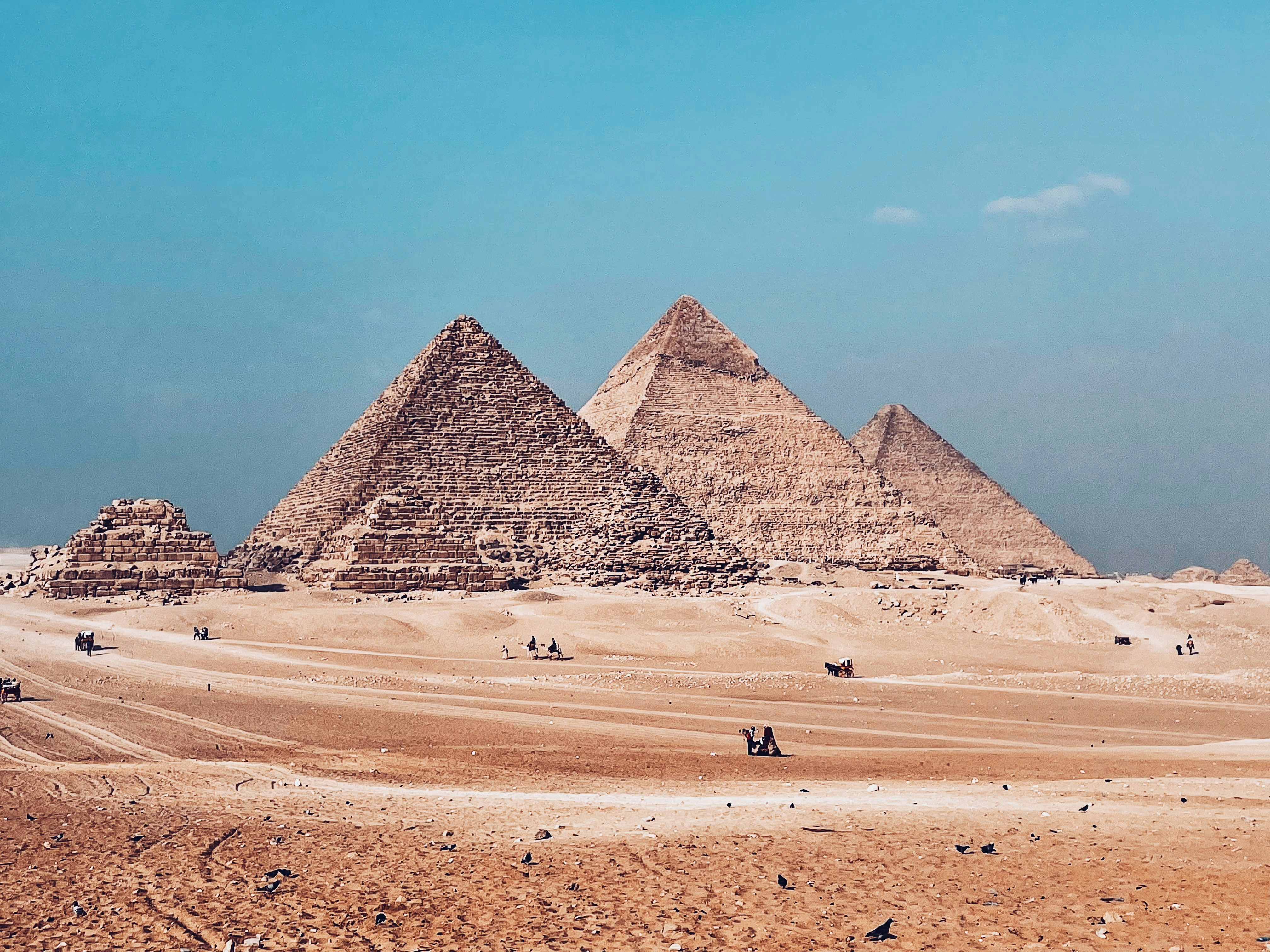
The Giza Plateau can become hot and busy, particularly during peak sightseeing hours.
Plan your visit carefully and consider starting earlier in the day.
Wear comfortable shoes and bring water and sun protection.
If you want photographs without spending the entire visit in the heat, ask your guide to organize the sightseeing route efficiently.
13. Treating Bargaining as an Argument
Bargaining is common in some Egyptian markets and shops, particularly where prices are not fixed.
However, bargaining should be treated as a friendly interaction rather than a confrontation.
If you do not like the price, you can politely decline and walk away.
At stores with clearly displayed fixed prices, bargaining may not be appropriate.
14. Accepting Every Offer of Help
Egyptians are generally known for their hospitality, but visitors may encounter people offering unsolicited assistance around busy tourist attractions.
Not every offer is a problem, but travelers should understand that some people may expect payment afterward.
If you do not need assistance, a polite "no, thank you" is usually enough.
For archaeological sites, hiring an official guide or using a reputable tour company can provide a more predictable experience.
15. Forgetting to Check What Is Included in a Nile Cruise
A Nile cruise can be one of the highlights of an Egypt holiday, but cruise packages are not identical.
Before booking, check the ship, cabin category, sailing dates, meals, sightseeing program, transfers, and whether entrance fees and guiding are included.
Also confirm the embarkation and disembarkation arrangements.
Understanding the details before paying can prevent unpleasant surprises later.
16. Planning Abu Simbel Without Considering the Schedule
Abu Simbel is one of Egypt's most spectacular attractions, but it requires additional planning when included in a Nile Valley itinerary.
Travelers should consider transportation time, opening hours, domestic flights or road transfers, and their Nile cruise schedule.
Do not simply add Abu Simbel to an itinerary without checking how it connects with your other travel arrangements.
17. Forgetting to Carry Important Documents
Keep copies of important travel documents such as your passport, travel insurance information, hotel reservations, flight details, and tour confirmations.
Digital copies stored securely on your phone or online can be useful in case you lose a paper document.
When traveling between cities or joining organized tours, make sure your identification documents are accessible when required.
18. Not Leaving Time for Rest
Egypt sightseeing can be physically demanding.
A typical day may involve early starts, walking through archaeological sites, climbing steps, traveling between attractions, and spending several hours outdoors.
Do not fill every hour of your itinerary.
Adding rest time between major sightseeing days can make your holiday much more enjoyable.
19. Trying to Navigate Every Destination Alone
Independent travel in Egypt is possible, but first-time visitors may find some destinations easier with a local guide.
A professional guide can help with transportation, historical explanations, site planning, local customs, and communication.
This is particularly useful when visiting places such as Luxor, where the major attractions are spread across the East and West Banks of the Nile.
20. Not Experiencing Egypt Beyond the Famous Attractions
The Pyramids and temples are essential, but Egypt is much more than its ancient monuments.
Consider experiencing a traditional Egyptian meal, walking through a local market, watching sunset over the Nile, taking a felucca ride, visiting a Nubian village near Aswan, relaxing beside the Red Sea, or exploring local neighborhoods with a knowledgeable guide.
These experiences can become some of the most memorable parts of your journey.
How to Have a Better First Trip to Egypt
The best way to avoid common Egypt travel mistakes is to plan your trip around realistic travel times, reliable transportation, suitable accommodation, and experiences that match your interests.
Instead of trying to see everything, choose a few destinations and explore them properly.
A well-planned itinerary could combine Cairo, Luxor, Aswan, and a Nile cruise, while longer holidays can add Abu Simbel and the Red Sea.
Most importantly, leave room for flexibility. Egypt is a destination where unexpected moments—watching the sunset over the Nile, discovering a quiet temple, meeting local people, or enjoying a traditional meal—can become highlights of your trip.
Final Thoughts
Your first trip to Egypt should be exciting, not stressful. Avoiding common mistakes such as overpacking your itinerary, choosing tours based only on price, ignoring the weather, forgetting local customs, and failing to plan transportation can make a significant difference.
With thoughtful planning and the support of experienced local professionals, you can spend less time worrying about logistics and more time discovering Egypt's ancient monuments, vibrant culture, beautiful landscapes, and legendary Nile River.
Ready to explore Egypt? Choose an itinerary that matches your travel style and let a local Egypt travel professional help you create a comfortable, memorable journey from Cairo to Luxor, Aswan, Abu Simbel, and the Red Sea.
Comments
Leave a comment