Egypt Travel Tips for First- Time Visitors
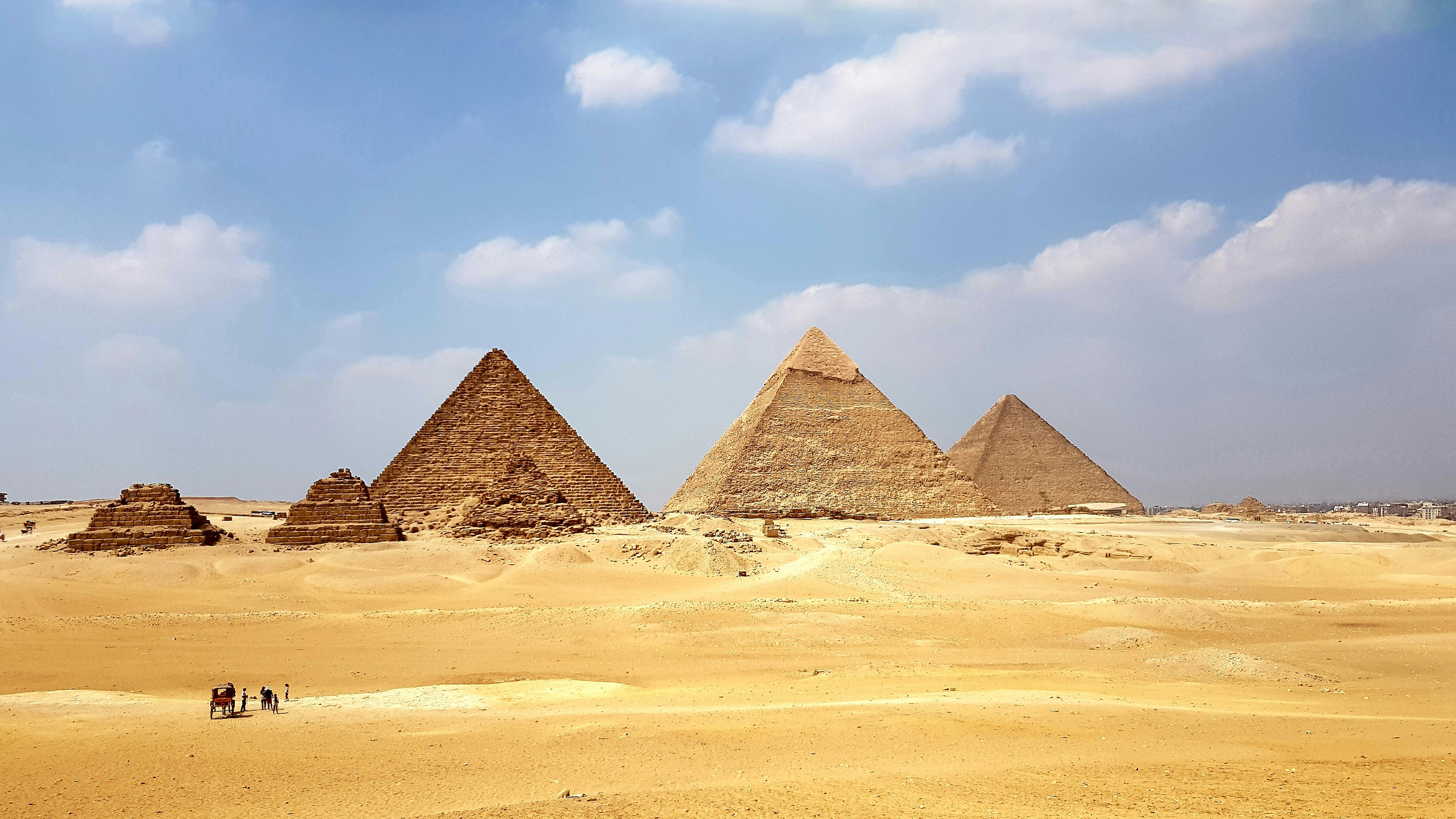
Planning your first trip to Egypt? From the Pyramids of Giza and the temples of Luxor to a Nile cruise and the beaches of the Red Sea, Egypt offers an incredible combination of ancient history, local culture, desert landscapes, and coastal experiences. A little preparation can make your trip more comfortable, organized, and enjoyable.
This Egypt travel guide for first-time visitors covers practical tips about transportation, money, clothing, sightseeing, food, communication, and planning your itinerary.
1. Plan Your Egypt Itinerary Carefully
Egypt is a large country, and the main attractions are spread across different destinations. First-time visitors commonly combine Cairo, Luxor, Aswan, and the Red Sea.
A classic itinerary might include:
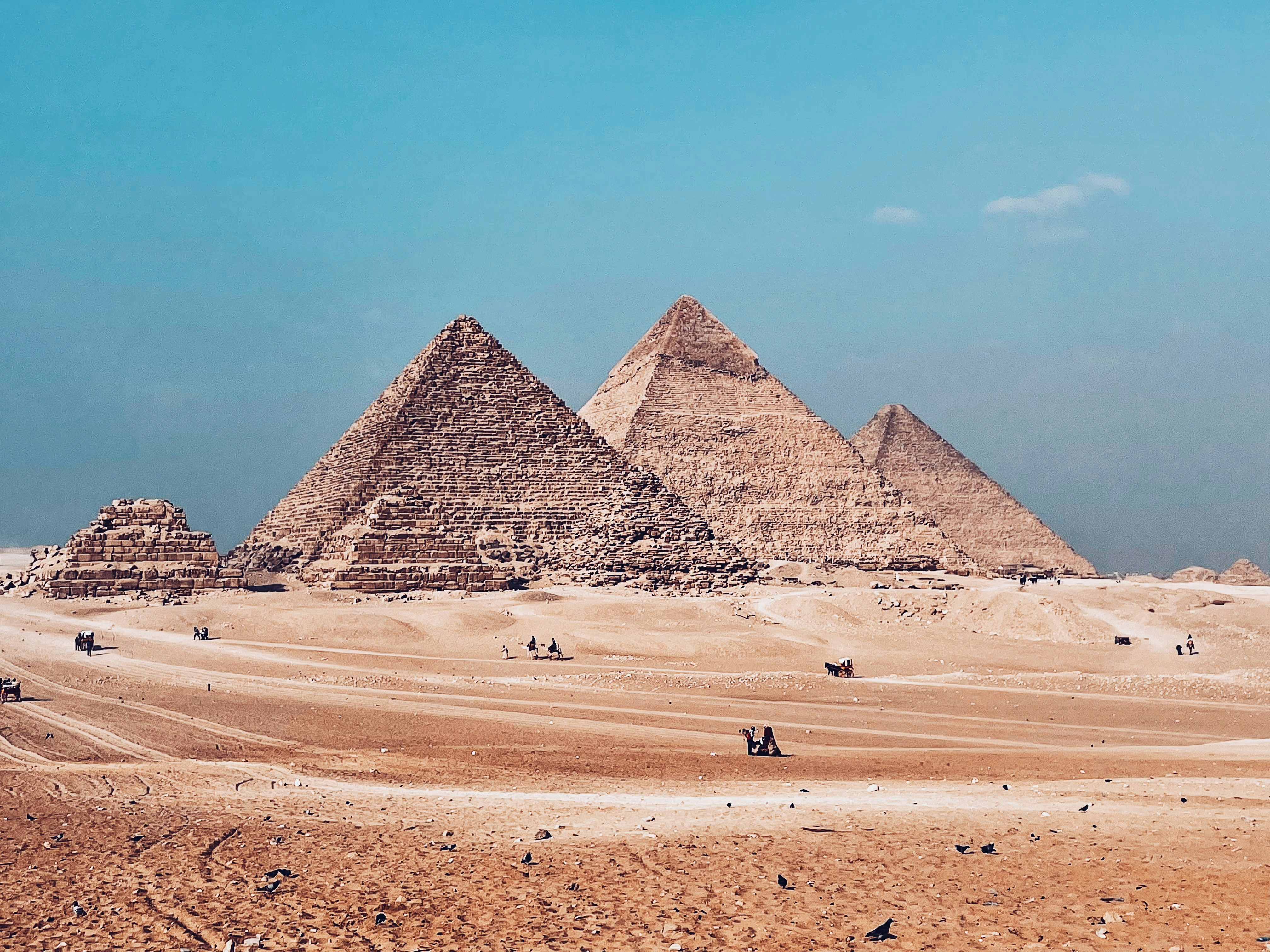
- Cairo and the Giza Pyramids
- Saqqara and Memphis
- Luxor's East and West Banks
- A Nile cruise between Luxor and Aswan
- Philae Temple and Aswan
- Abu Simbel
- Hurghada or another Red Sea destination
Avoid trying to see everything in just a few days. Spending more time in fewer destinations usually gives you a more relaxed experience.
2. Choose the Right Time to Visit Egypt
Egypt can be visited throughout the year, but temperatures vary considerably by season.
The cooler months are generally more comfortable for sightseeing, particularly when visiting archaeological sites and spending several hours outdoors. Summer can be extremely hot, especially in Luxor and Aswan.
If you travel during warmer months, schedule major outdoor visits for the morning or later afternoon when possible, drink plenty of water, and protect yourself from the sun.
3. Start Early for Major Attractions
One of the most useful Egypt travel tips for first-time visitors is simple: start early.
Visiting major attractions early can help you avoid the strongest midday heat and make your sightseeing more comfortable.
In Luxor, for example, an early morning visit to the Valley of the Kings can be followed by Hatshepsut Temple and other West Bank attractions before the hottest part of the day.
Early starts are also particularly useful for popular sites in Cairo and Giza.
4. Wear Comfortable and Respectful Clothing
Egypt is a predominantly Muslim country with a variety of local customs. Tourists do not need to dress traditionally, but modest and comfortable clothing is generally appropriate.
For sightseeing, consider:
- Lightweight trousers or long skirts
- Breathable shirts
- Comfortable walking shoes
- A hat or cap
- Sunglasses
- A light scarf
When visiting mosques or religious sites, more conservative clothing may be expected. Carrying a lightweight scarf can be useful.
5. Carry Egyptian Pounds and Some Cash
The Egyptian pound is the local currency.
Cards are accepted at many hotels, restaurants, shops, and tourist businesses, particularly in major cities. However, cash can still be useful for smaller purchases, local transportation, tips, markets, and places where card payments are unavailable.
It is a good idea to keep smaller denominations available rather than relying entirely on large notes.
6. Understand Tipping in Egypt
Tipping, commonly known as baksheesh, is part of everyday service culture in Egypt.
You may encounter tipping expectations with hotel staff, drivers, restaurant staff, local helpers, and other service providers.
The amount depends on the service and situation. There is no single fixed amount that applies everywhere.
Keep some small Egyptian-pound notes available so you are prepared when appropriate.
7. Drink Safe Water
For most international visitors, bottled or properly treated water is the simplest choice.
Use bottled water for drinking and check that the seal is intact when purchasing it. You can also use bottled water when brushing your teeth if you are particularly cautious about adjusting to a new environment.
Staying hydrated is especially important when sightseeing in desert and archaeological areas.
8. Use Reliable Transportation
Egypt offers several transportation options, including domestic flights, trains, taxis, ride-hailing services, private transfers, and tourist vehicles.
For longer distances, compare travel time as well as price. A domestic flight can save significant time when traveling between Cairo and Luxor, while a Nile cruise can combine transportation with accommodation and sightseeing between Luxor and Aswan.
For private sightseeing, arranging transportation with a licensed or established local tourism provider can make logistics easier, particularly for first-time visitors.
9. Consider a Local Guide
Egypt's ancient sites contain thousands of years of history, and many details are easy to miss when visiting independently.
A knowledgeable local guide can explain the historical significance of temples, tombs, monuments, and archaeological discoveries while helping organize the day's sightseeing.
For visitors interested in ancient Egyptian history, a guide can turn a simple visit into a much deeper experience.
10. Be Prepared for Lots of Walking
Egypt sightseeing often involves considerable walking.
The Giza Plateau, Valley of the Kings, Karnak Temple, Luxor Temple, and other archaeological sites can require walking across uneven surfaces and outdoor areas.
Wear comfortable shoes and bring water. If you have mobility concerns, discuss transportation and accessibility arrangements before booking your tours.
11. Try Egyptian Food
Egyptian cuisine is an important part of the travel experience.
Popular dishes to try include:
- Koshari – a filling combination of rice, pasta, lentils, chickpeas, and tomato sauce
- Ful medames – slow-cooked fava beans
- Ta'meya – Egyptian-style falafel
- Molokhia – a traditional green soup or stew
- Mahshi – vegetables or vine leaves stuffed with seasoned rice
For your first meals, choose busy restaurants with good hygiene standards and high customer turnover.
12. Learn a Few Arabic Words
English is widely used in Egypt's tourism industry, particularly in hotels, attractions, and tourist areas.
Still, learning a few Arabic expressions can make everyday interactions more enjoyable.
Useful phrases include:
Shukran – Thank you
Min fadlak – Please
Kam? – How much?
Sabah el-kheir – Good morning
A friendly greeting can go a long way when interacting with local people.
13. Be Comfortable With Bargaining
Bargaining is common in many Egyptian markets and souvenir shops.
If a price is not fixed, you can politely negotiate. Keep the conversation friendly and know when to walk away if the price does not suit your budget.
Shopping in tourist markets can be part of the experience, but you should never feel pressured to purchase something.
14. Protect Yourself From the Sun
Egypt receives strong sunshine throughout much of the year.
Bring:
- Sunscreen
- Sunglasses
- A hat
- Reusable water bottles or bottled water
- Light, breathable clothing
For long sightseeing days, take breaks in shaded areas whenever possible.
15. Keep Your Travel Documents Safe
Keep your passport, travel insurance information, hotel details, tickets, and important booking confirmations accessible.
It is also useful to keep digital copies of important documents separately from the originals.
Before traveling between cities, check your transportation arrangements and departure times carefully.
16. Allow Time for Traffic
Cairo traffic can be busy, particularly during peak periods.
Do not schedule important flights or train departures too tightly after a sightseeing tour. Allow extra time for transportation, especially when traveling across Cairo.
For airport transfers and intercity journeys, leaving a reasonable buffer can reduce unnecessary stress.
17. Combine History With Relaxation
A common mistake for first-time visitors is creating an itinerary packed with monuments every day.
Egypt has much more to offer than archaeological sites. Consider adding time for:
- A Nile felucca ride
- A Nile cruise
- A Red Sea beach stay
- Snorkeling
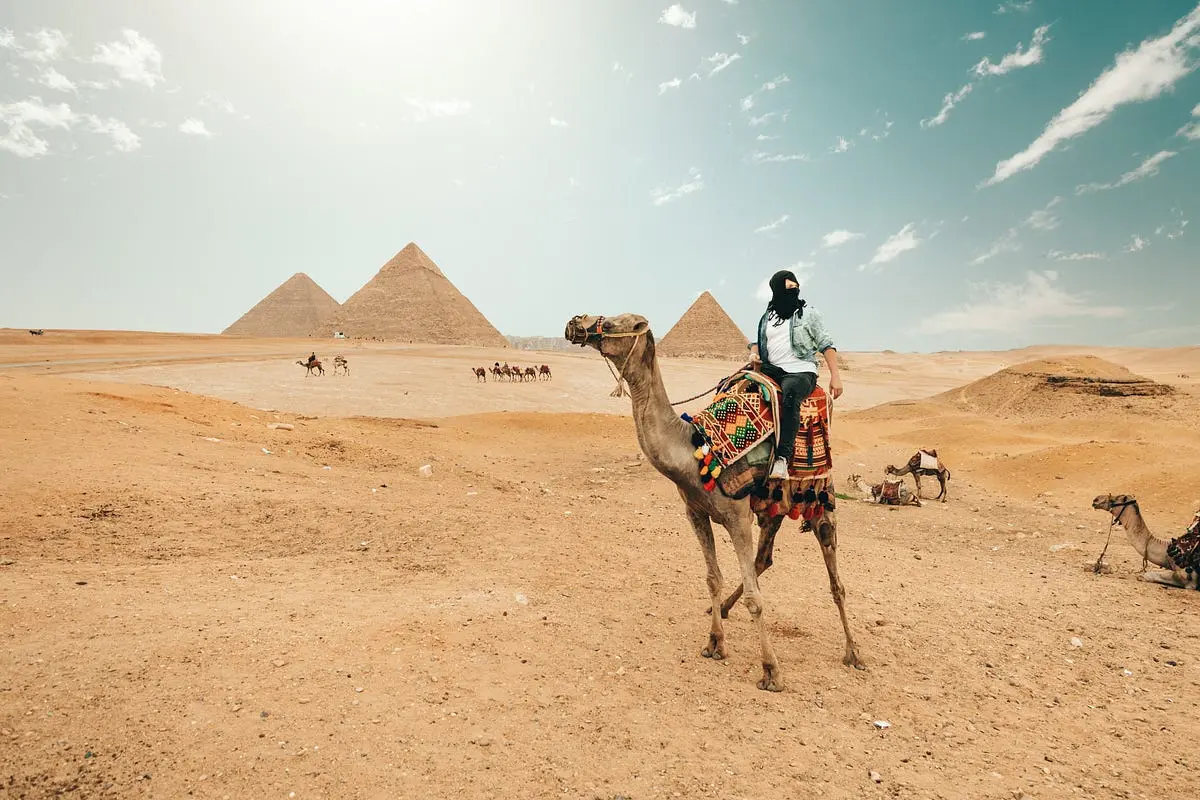
- A desert experience
- A traditional Egyptian meal
- A relaxed evening in a local neighborhood
Balancing sightseeing with free time can make your Egypt vacation much more enjoyable.
18. How Many Days Do You Need in Egypt?
For a first visit, 7–10 days can provide enough time to experience several major destinations without making the itinerary excessively rushed.
A longer trip of 10–14 days allows you to combine Cairo, Luxor, Aswan, and the Red Sea more comfortably.
If you only have a few days, focus on one or two regions rather than attempting to cover the entire country.
19. Book Important Services in Advance
During busy travel periods, it can be useful to arrange popular experiences and transportation ahead of time.
Consider booking in advance if your itinerary includes:
- Nile cruises
- Hot-air balloon rides
- Domestic flights
- Private Egypt tours
- Popular guided excursions
- Airport transfers
Always check what is included in the price before confirming a tour.
20. Travel With an Open Mind
Egypt can feel very different from what first-time visitors are accustomed to. The sounds, traffic, weather, bargaining culture, food, and pace of daily life may take some adjustment.
Approach the experience with patience and curiosity.
Beyond the famous pyramids, Egypt's greatest attraction is its combination of ancient history and living culture. Take time to enjoy the people, food, landscapes, and everyday experiences as well as the major monuments.
Final Egypt Travel Tips for First-Time Visitors
The best way to prepare for your first trip to Egypt is to plan the essentials while leaving room for discovery.
Choose a realistic itinerary, wear comfortable clothing, stay hydrated, carry some cash, allow extra transportation time, and consider using knowledgeable local guides for major historical sites.
Whether your dream is to see the Pyramids of Giza, explore the Valley of the Kings, sail the Nile, discover Abu Simbel, or relax beside the Red Sea, thoughtful planning can help you make the most of your Egyptian adventure.
Frequently Asked Questions
Is Egypt suitable for first-time travelers?
Yes. Egypt has a well-established tourism industry and major tourist destinations offer hotels, transportation, guides, and organized excursions. First-time visitors should still research their destinations and plan transportation and accommodation carefully.
How many days should I spend in Egypt?
Seven to ten days is a practical starting point for combining several major destinations. Two weeks allows for a more relaxed itinerary.
What should I wear in Egypt?
Lightweight, breathable and relatively modest clothing is practical for sightseeing. More conservative clothing is appropriate when visiting religious sites.
Should I hire a guide in Egypt?
A local guide can be particularly useful at major archaeological sites because they can explain historical context and help organize the sightseeing schedule.
What should I bring to Egypt?
Bring comfortable walking shoes, lightweight clothing, sunscreen, sunglasses, a hat, personal medication, travel documents, and some cash.
What is the best way to travel between Egyptian cities?
It depends on your itinerary. Domestic flights, trains, private vehicles, and Nile cruises all have different advantages in terms of travel time, comfort, and sightseeing opportunities.
Comments
Leave a comment