
Egypt Weather Guide: Best Time to Visit
Planning a trip to Egypt and wondering about the weather? Egypt is a year-round destination, but temperatures can vary considerably depending on where you travel. Cairo and Alexandria in the north generally have milder temperatures, while Luxor, Aswan, and Abu Simbel in southern Egypt experience much hotter summers. Hurghada and the Red Sea coast benefit from warm, sunny weather and relatively low humidity throughout much of the year.
Understanding the weather in Egypt can help you choose the right season, pack suitable clothing, and plan sightseeing activities more comfortably.
Egypt generally has hot, dry summers and mild winters. The country's official tourism information describes winter as a moderate season and summer as hot and dry, with the Mediterranean coast being cooler and more humid than inland areas.
Egypt Weather at a Glance
Egypt's weather changes from north to south and from the Mediterranean coast to the desert and Nile Valley.
- Cairo: Mild winters and hot summers
- Alexandria: Cooler and more humid because of the Mediterranean Sea
- Luxor: Warm winters and very hot summers
- Aswan: Hotter than Luxor, particularly in summer
- Abu Simbel: Very hot during summer and warm during winter
- Hurghada: Warm, sunny and relatively dry throughout the year
The official Egyptian tourism temperature guide shows how temperatures increase significantly toward southern Egypt. For example, typical maximum temperatures in August are around 37°C in Cairo, 33°C in Alexandria, 35°C in Hurghada, 43°C in Luxor and 46°C in Aswan.
Weather in Egypt by Season
Winter in Egypt: November to March
Winter is one of the most comfortable periods for exploring Egypt's archaeological attractions.
Days are generally mild and sunny, while evenings can become noticeably cooler, particularly in Cairo and desert areas. Southern destinations such as Luxor and Aswan remain warmer than northern Egypt.
Winter is especially suitable for:
- Cairo sightseeing
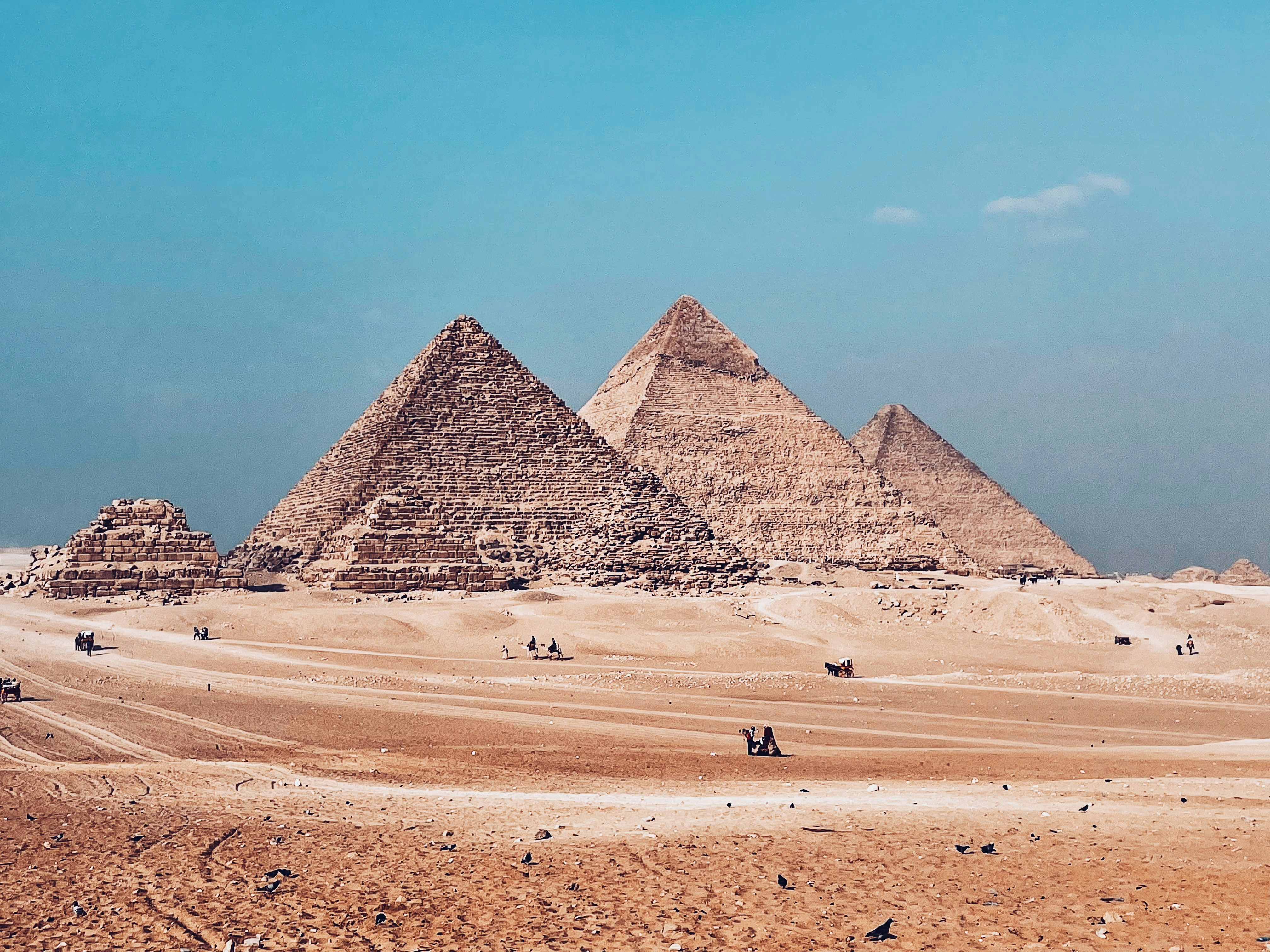
- Giza Pyramids tours
- Luxor temple tours
- Valley of the Kings visits
- Nile cruises
- Aswan sightseeing
- Abu Simbel excursions
- Desert adventures
The official tourism authority notes that winter temperatures are generally mild, while popular southern destinations such as Luxor and Aswan remain warm and sunny.
What to pack: Light daytime clothing, comfortable walking shoes, sunglasses, sunscreen and a light jacket or sweater for evenings.
Spring Weather in Egypt: March to May
Spring brings warmer temperatures across Egypt. March and April can be particularly pleasant for sightseeing, although temperatures begin rising significantly toward May.
Spring is a good period for combining cultural sightseeing with outdoor activities.
You can comfortably plan:
- Cairo and Giza tours
- Luxor West Bank excursions
- Nile cruises
- Aswan tours
- Abu Simbel trips
- Hurghada beach holidays
Occasionally, Egypt can experience dusty or windy conditions during spring. Travelers should remain flexible when planning outdoor activities.
Summer Weather in Egypt: June to August
Summer is the hottest season in Egypt, particularly in the Nile Valley and southern destinations.
Cairo can become very hot during the day, while Luxor and Aswan can experience extremely high temperatures. According to Egypt's official tourism temperature table, average maximum temperatures can reach approximately 42°C in Luxor and 45–46°C in Aswan during the hottest summer months.
If you visit Egypt during summer, consider scheduling archaeological sightseeing early in the morning or later in the afternoon.
Summer can still be attractive for travelers interested in:
- Red Sea beaches
- Snorkeling
- Diving
- Nile cruises
- Evening sightseeing
- Resort holidays
The Red Sea coast generally has lower humidity than the Mediterranean coast, while the sea remains suitable for swimming and water activities throughout much of the year.
Autumn Weather in Egypt: September to November
Autumn brings gradually cooler temperatures after the intense summer heat.
September can still be very hot, especially in Luxor, Aswan and Abu Simbel. October and November are generally more comfortable for sightseeing, with cooler temperatures developing as winter approaches.
Autumn is a popular period for:
- Nile cruises
- Ancient Egyptian sightseeing
- Cairo tours
- Luxor tours
- Aswan and Abu Simbel excursions
- Hurghada holidays
Cairo Weather
Cairo has a desert climate with hot summers and relatively mild winters.
During winter, daytime temperatures can be comfortable for visiting the Giza Plateau, Egyptian Museum and historic areas of the city. Nights can feel cool.
Summer is much hotter, so travelers should plan outdoor activities carefully and stay hydrated.
Cairo average temperature guide
Month| Approx. Average High
January| 19°C
February| 24°C
March| 25°C
April| 26°C
May| 28°C
June| 32°C
July| 35°C
August| 37°C
September| 30°C
October| 30°C
November| 25°C
December| 21°C
These figures are from Egypt's official tourism temperature guide.
Best activities in comfortable weather: Pyramids of Giza, Sphinx, Egyptian Museum, Islamic Cairo, Coptic Cairo, Citadel of Saladin, Khan el-Khalili and day trips to Saqqara and Memphis.
Luxor Weather
Luxor is one of Egypt's hottest tourist destinations because it lies deep in the Nile Valley.
Winter is particularly comfortable for exploring Luxor's archaeological treasures. Summer can be extremely hot, with official tourism figures showing average maximum temperatures reaching approximately 42–43°C in July and August.
Luxor is home to some of Egypt's most important ancient monuments, including Karnak Temple, Luxor Temple, the Valley of the Kings and the Temple of Hatshepsut.
For summer visits, early morning is usually preferable for major outdoor archaeological sites.
Tip: If you are visiting Luxor in summer, arrange your itinerary around the heat. Start West Bank sightseeing early, take a break during the hottest part of the day, and schedule evening activities later.
Aswan Weather
Aswan is generally warmer than Luxor and is one of Egypt's hottest major tourist destinations.
Winter can be especially pleasant because daytime temperatures remain warm while evenings are usually comfortable.
Summer temperatures can become extremely high. Egypt's official temperature table lists average maximum temperatures of around 44–46°C during June to August.
Aswan's attractions include Philae Temple, Elephantine Island, the Nubian villages, the Nile and nearby Abu Simbel.
The Egyptian tourism authority describes Aswan as a warm destination characterized by the Nile, islands, desert landscapes and Nubian culture.
Travel tip: For summer sightseeing in Aswan, early morning and sunset are often more comfortable times for outdoor activities.
Abu Simbel Weather
Abu Simbel is located far south of Aswan near Lake Nasser and has a hot desert climate.
The destination can be extremely hot during summer. Winter generally offers more comfortable conditions for exploring the temples.
Because Abu Simbel involves significant outdoor walking and exposure to the sun, travelers should prepare carefully.
Bring:
- Sunscreen
- Sunglasses
- A wide-brimmed hat
- Comfortable walking shoes
- Water
- Lightweight clothing
The monumental temples of Abu Simbel are among the major attractions of southern Egypt and are part of the UNESCO-listed Nubian monumeents
Hurghada Weather
Hurghada is one of Egypt's most popular Red Sea destinations and benefits from warm, sunny weather for much of the year.
Compared with the Mediterranean coast, the Red Sea coast generally has less humidity. The region is suitable for swimming, snorkeling, diving and other water activities throughout the year.
Hurghada average temperature guide
Month| Approx. Average High
January| 21°C
February| 23°C
March| 26°C
April| 28°C
May| 30°C
June| 33°C
July| 34°C
August| 35°C
September| 30°C
October| 30°C
November| 25°C
December| 22°C
Hurghada is ideal for travelers combining cultural sightseeing with a beach holiday. Popular activities include snorkeling, diving, private boat trips, desert safaris, dolphin excursions and Red Sea cruises.
Alexandria Weather
Alexandria has a Mediterranean climate, making it noticeably different from southern Egypt.
Summers are generally warm, while winters are cooler and wetter than Cairo, Luxor or Aswan. The Mediterranean Sea moderates temperatures, although humidity can be higher.
Alexandria is particularly attractive during the warmer months for travelers interested in:
- Mediterranean beaches
- Alexandria Corniche
- Bibliotheca Alexandrina
- Qaitbay Citadel
- Catacombs of Kom El Shoqafa
- Seafood restaurants
- Historic city sightseeing
Egypt's official tourism information notes that the Mediterranean coastline is cooler and more humid than much of inland Egypt.
---
Egypt Weather by Destination
Destination| Winter| Spring| Summer| Autumn
Cairo| Mild & cool evenings| Warm| Hot| Warm to mild
Alexandria| Cool & more humid| Mild & warm| Warm & humid| Mild & warm
Luxor| Warm & pleasant| Hotter| Very hot| Warm to hot
Aswan| Warm & sunny| Hot| Extremely hot| Hot to warm
Abu Simbel| Warm| Hot| Extremely hot| Hot to warm
Hurghada| Warm & sunny| Warm| Hot & sunny| Warm
What Is the Best Time to Visit Egypt?
For travelers who want to explore Egypt's ancient monuments comfortably, the cooler months are generally more suitable, particularly from approximately October through April.
For Nile Valley sightseeing, the cooler period can make long outdoor visits more comfortable. Egypt's tourism information specifically identifies periods such as May, September, October and November as having lower temperatures that can make sightseeing easier, while July and August are among the hottest months.
However, there is no single perfect season for every traveler.
If your priority is:
Ancient monuments: Consider October through April.
Nile cruise: Cooler months are generally more comfortable for sightseeing.
Red Sea beaches: Hurghada can be visited throughout the year.
Swimming and snorkeling: The Red Sea offers year-round opportunities.
Alexandria beaches: Summer is particularly popular along the Mediterranean coast.
Budget travel: The hottest summer months can offer opportunities to find different hotel and tour deals, although outdoor sightseeing requires more careful planning.
What to Wear in Egypt
Your clothing should match both the weather and the places you plan to visit.
For hot weather, choose lightweight and breathable clothing. Comfortable walking shoes are essential because many Egyptian attractions involve considerable walking over uneven surfaces.
For winter, bring a light jacket or sweater for cooler mornings and evenings.
If you plan to visit mosques, churches or other religious sites, dress modestly. Egypt's official tourism guidance recommends covering shoulders and legs at places of worship.
Essential items include:
- Comfortable walking shoes
- Sunglasses
- Sunscreen
- Hat
- Reusable water bottle
- Lightweight clothing
- Light jacket for winter evenings
- Scarf or cardigan for religious sites
Egypt Weather FAQs
Is Egypt hot all year?
Egypt is generally warm and sunny, but temperatures vary considerably by season and location. Southern destinations such as Luxor and Aswan are significantly hotter than northern cities such as Alexandria.
Does it rain in Egypt?
Rainfall is generally limited, particularly in desert and southern areas. Alexandria and other Mediterranean coastal areas receive more rainfall than southern Egypt.
Is Egypt too hot in summer?
Summer can be extremely hot, particularly in Luxor, Aswan and Abu Simbel. Cairo can also become very hot. However, Hurghada and the Red Sea remain popular for beach and water activities.
What is the coldest month in Egypt?
January is generally among the coolest months, although daytime temperatures can still be pleasant in many tourist destinations.
What is the hottest city in Egypt?
Southern destinations such as Aswan and Abu Simbel experience some of the country's highest temperatures, particularly during summer.
Is Hurghada warm in winter?
Yes. Hurghada remains relatively warm and sunny during winter, making it a popular destination for Red Sea holidays.
Is Luxor good to visit in winter?
Yes. Winter offers generally milder conditions for exploring Luxor's extensive outdoor archaeological sites.
Can I visit Egypt in July and August?
Yes, but expect very high temperatures, especially in Luxor, Aswan and Abu Simbel. Plan sightseeing for cooler parts of the day, drink plenty of water and protect yourself from the sun.
Final Thoughts: Understanding Egypt's Weather
Egypt's weather varies significantly from north to south, so choosing the right season can make a major difference to your travel experience.
Cairo offers a combination of ancient monuments and busy city life. Alexandria has a Mediterranean atmosphere and cooler coastal weather. Luxor and Aswan are warmer and ideal for exploring Egypt's ancient temples and tombs, while Abu Simbel is best approached with careful planning because of the intense southern heat. Hurghada offers a different experience altogether, with sunshine, beaches and Red Sea activities available throughout much of the year.
Whether you are planning a Cairo and Giza tour, a Luxor and Aswan itinerary, a Nile cruise, an Abu Simbel excursion or a Hurghada beach holiday, checking the seasonal weather before you travel will help you choose the right clothing, sightseeing times and activities

Comments
Leave a comment