Everyday Life in Ancient Egypt: Beyond the Pharaohs and Pyramids
Introduction: What Was Life Really Like in Ancient Egypt?
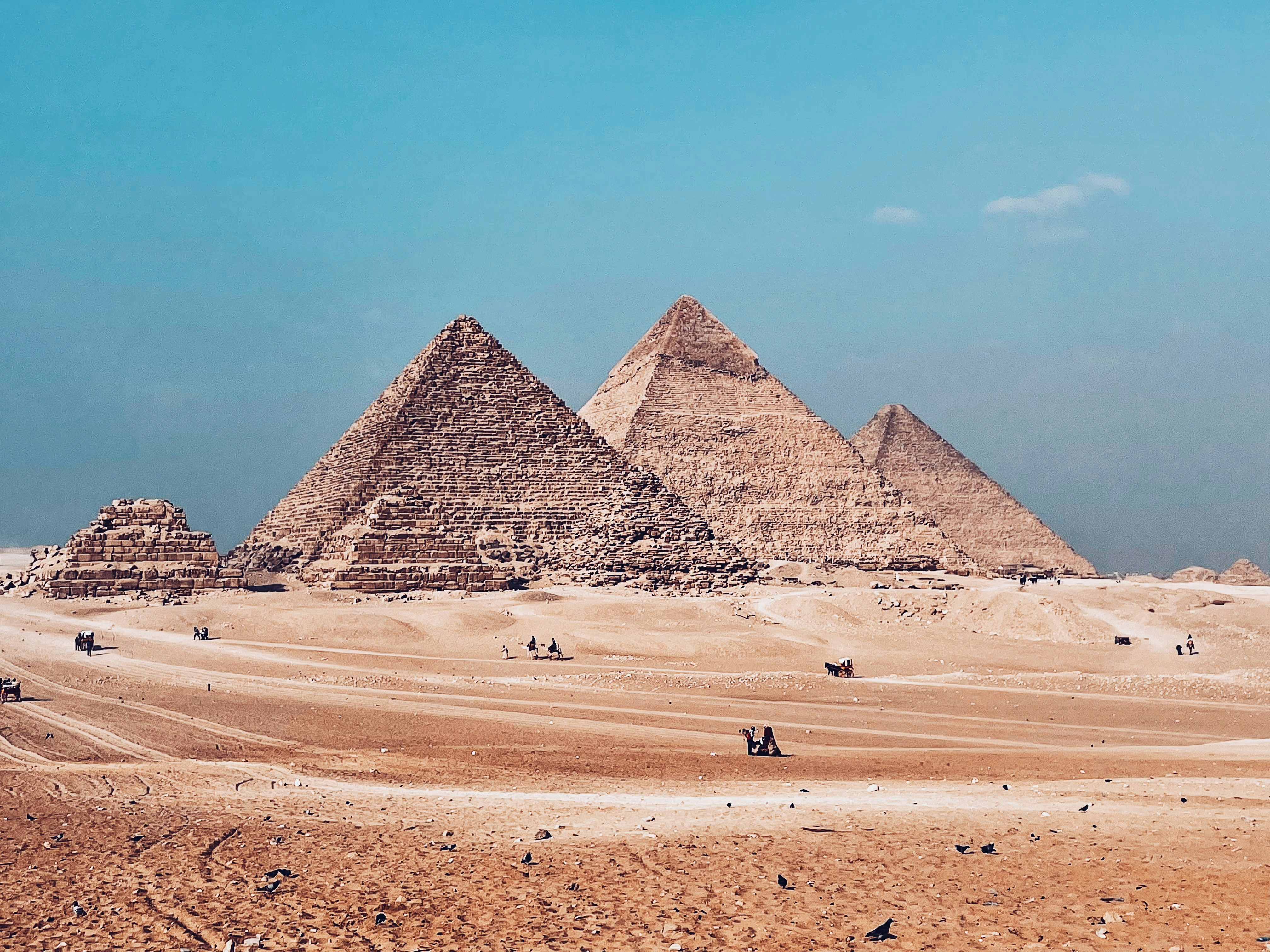
When people think of ancient Egypt, they often imagine magnificent pyramids, powerful pharaohs, golden treasures, and enormous temples. However, behind these extraordinary monuments was a fascinating world of ordinary people who worked, raised families, prepared meals, celebrated festivals, and dreamed of a better future.
Everyday life in ancient Egypt was shaped by the Nile River, the agricultural seasons, religious beliefs, and the social structure of the kingdom. Although kings and nobles enjoyed great wealth, most Egyptians lived as farmers, craftsmen, fishermen, laborers, traders, and servants.
By exploring their homes, food, clothing, work, and family traditions, we can understand ancient Egyptian civilization from a different perspective. Their lives were not only about monuments and royal power; they were also about the familiar experiences that connect people across thousands of years.
1. Homes and Villages: Where Did Ancient Egyptians Live?
Most ancient Egyptians lived in small houses made from mudbrick, a practical building material created from mud, water, and straw and dried in the sun. These homes helped people cope with Egypt's hot climate and were relatively inexpensive to construct.
A typical house might contain several rooms, a flat roof, small windows, and a simple courtyard. The roof could provide extra space for sleeping during warm nights, working, or storing household items. Wealthier families lived in larger houses with more rooms, gardens, and decorated interiors.
Villages often stood near agricultural land and irrigation channels, allowing farmers to reach their fields easily. Larger towns included workshops, markets, administrative buildings, and religious centers.
Archaeological discoveries at places such as Deir el-Medina, the village of workers who helped construct royal tombs near Luxor, provide remarkable evidence of domestic life. Excavations have revealed houses, household objects, written records, and personal items that help historians reconstruct the experiences of ordinary Egyptians.
2. Food and Drink: What Did Ancient Egyptians Eat?
Food was central to everyday life in ancient Egypt. Bread and beer were staple foods, while vegetables, fruit, fish, and legumes provided variety.
Bread was made from grains, particularly emmer wheat and barley. Grinding grain by hand was an important household task, and bread was prepared in different shapes and sizes. Beer, which was generally less alcoholic than many modern beers, was another essential part of the diet.
Common foods included:
- Bread and porridge: Important sources of energy.
- Beer: A widely consumed grain-based drink.
- Onions, garlic, and lentils: Everyday ingredients that added flavor and nourishment.
- Dates, figs, and grapes: Fruits enjoyed fresh or preserved.
- Fish and poultry: Sources of animal protein, particularly for communities near the Nile.
- Meat: Including cattle, sheep, goats, and other animals, although access varied according to wealth and circumstances.
Wealthier Egyptians could enjoy more varied meals, including larger quantities of meat, wine, and imported delicacies. Food offerings and banquet scenes in tombs also reveal the importance of feasting in elite society.
Food was more than a necessity. It played a role in religious offerings, celebrations, hospitality, and beliefs about life after death.
3. Clothing, Jewelry, and Personal Appearance
Ancient Egyptians generally wore lightweight linen clothing, which was well suited to the warm climate. Linen was produced from flax, and the finest fabrics were especially valued by wealthy families.
Men often wore simple kilts or wrapped garments, while women commonly wore long dresses or fitted linen garments. Styles changed across different periods, and clothing could indicate a person's wealth, occupation, or social position.
Jewelry was popular among both men and women. People wore necklaces, bracelets, rings, earrings, and decorative amulets made from materials ranging from simple beads to gold and precious stones.
Cosmetics were also important. Egyptians used eye paints, including dark kohl, and scented oils and ointments. Such products could have practical, social, and religious significance.
Hairstyles varied, and wigs were especially common among the wealthy and in formal settings. Cleanliness and grooming were valued, with combs, mirrors, razors, and cosmetic containers providing evidence of personal care.
4. Work and Occupations: More Than Pyramid Builders
Ancient Egypt depended on a wide range of occupations. While pyramid construction remains one of the civilization's most famous achievements, most Egyptians were not pyramid builders.
Farmers formed the backbone of the economy. They cultivated crops such as wheat and barley, grew vegetables, tended livestock, and worked according to the agricultural cycle of the Nile.
Other important occupations included:
- Scribes: Recorded taxes, supplies, legal matters, and administrative information.
- Craftsmen: Produced pottery, furniture, jewelry, tools, and decorated objects.
- Builders and stoneworkers: Constructed temples, tombs, houses, and monuments.
- Fishermen and boatmen: Used the Nile for food, transport, and trade.
- Merchants and traders: Exchanged goods within Egypt and with foreign regions.
- Priests and temple workers: Maintained religious institutions and performed rituals.
- Doctors and healers: Treated illnesses and injuries using practical knowledge, remedies, and religious traditions.
Written records from Deir el-Medina reveal details about workers' wages, supplies, family matters, and disputes. These documents show that skilled laborers could organize their work, receive provisions, and complain when payments were delayed.
5. Family Life and Childhood
Family was an important part of ancient Egyptian society. Parents cared for children, managed households, passed on skills, and maintained relationships with relatives.
Children helped with household tasks and learned practical skills as they grew older. Many followed their parents into farming, craft production, or other occupations. Formal education was more accessible to certain groups, particularly families connected with administration and scribal professions.
Marriage and household life were important social institutions, although family arrangements and experiences differed across periods and social classes. Women could own property, inherit wealth, participate in legal transactions, and sometimes manage businesses.
Mothers played a central role in raising children, while fathers often contributed to household income and the transmission of professional skills. Extended families could provide support, although life was not always easy. Illness, high infant mortality, demanding work, and food shortages presented serious challenges.
Ancient Egyptian letters and personal objects reveal affection, concern, and family responsibilities. These traces remind us that people living thousands of years ago shared many of the same hopes and worries as families today.
6. Religion and Beliefs in Everyday Life
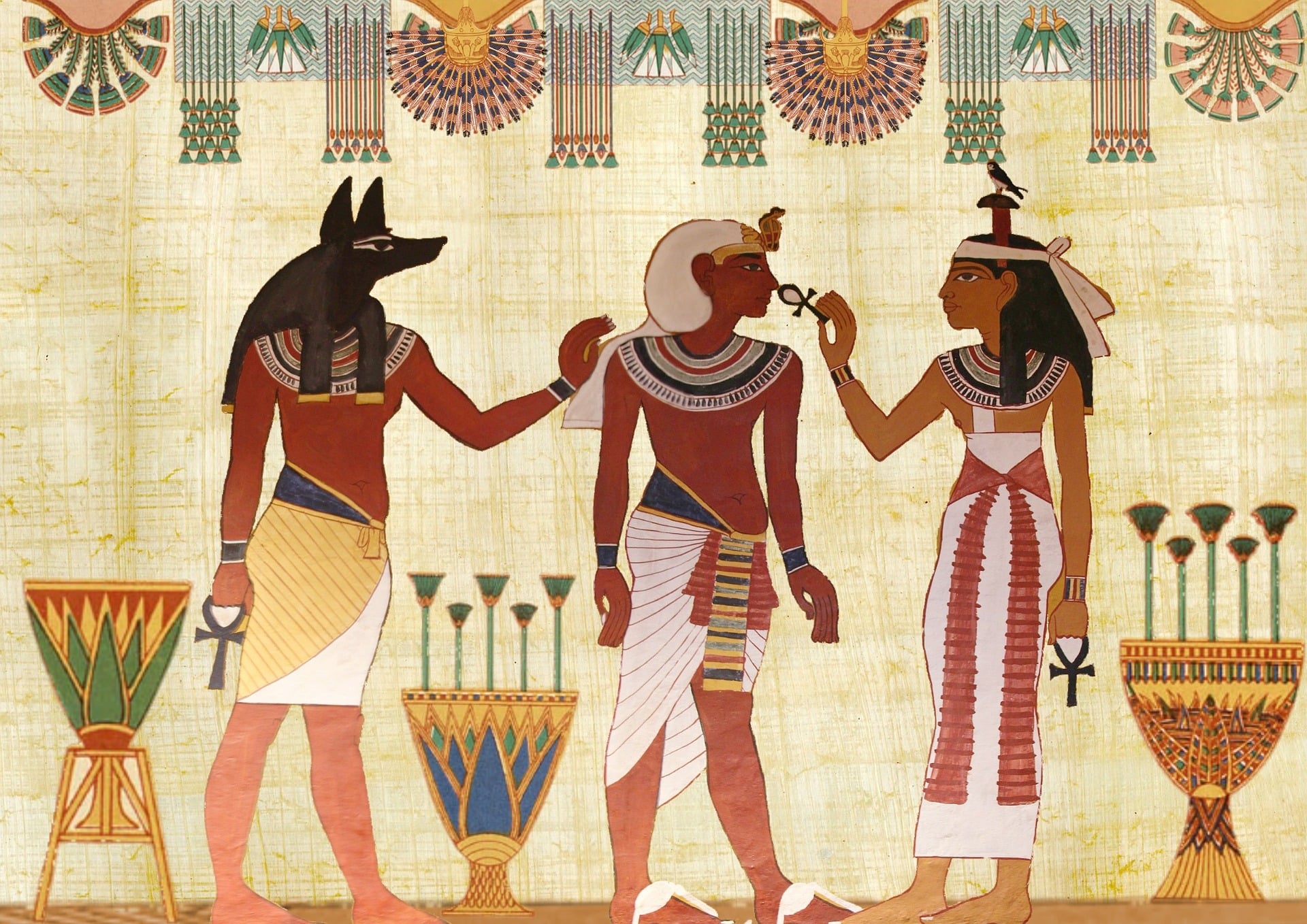
Religion was woven into many aspects of ancient Egyptian life. The gods were believed to influence nature, health, fertility, kingship, and the balance of the universe.
People worshipped deities such as Ra, Amun, Osiris, Isis, Hathor, and Anubis. Their religious practices included offerings, prayers, household rituals, and participation in festivals.
Temples were major religious and economic institutions, although most ordinary people did not enter the innermost sacred areas reserved for priests and authorized officials. Religious festivals, processions, and local shrines offered opportunities for broader community participation.
Belief in the afterlife was especially significant. Egyptians developed elaborate burial customs, prepared tombs, and placed objects with the dead to support their journey beyond death. However, burial practices varied greatly according to wealth and historical period.
Amulets and protective objects were also popular, reflecting concerns about health, safety, and spiritual protection.
7. Entertainment, Music, and Games
Ancient Egyptians did not spend every day working. They also enjoyed music, dancing, storytelling, games, and social gatherings.
Paintings from tombs depict musicians playing harps, flutes, lutes, and percussion instruments. Music accompanied religious ceremonies, banquets, and other celebrations.
Board games were another popular pastime. Senet, one of the best-known ancient Egyptian games, was played by people in different social settings. Game boards and pieces have been discovered in tombs, and the game may have acquired symbolic associations with the afterlife over time.
Hunting and fishing were practical activities as well as leisure pursuits, particularly among the elite. Banquets could feature food, music, dancing, and scented oils.
Festivals brought communities together and helped connect religious beliefs with shared cultural experiences.
8. The Nile River: The Center of Egyptian Life
The Nile was the foundation of ancient Egyptian civilization. Its water supported agriculture, while its floodplain provided fertile soil for growing crops.
Farmers depended on the river's seasonal flooding, although the timing and height of the flood could vary. Irrigation systems helped distribute water, and agricultural success depended on managing fields, labor, and stored supplies.
The Nile was also the principal transportation route. Boats carried grain, stone, timber, pottery, and other goods between towns and regions. River travel connected communities and helped rulers administer a large kingdom.
Fishing, hunting, and gathering plants near waterways contributed to local food supplies. The river also shaped religious symbolism, artistic traditions, and ideas about renewal and life.
Without the Nile, ancient Egypt could not have developed in the same way.
9. Social Classes and the Differences Between Rich and Poor
Ancient Egyptian society was hierarchical. The pharaoh stood at the top of the political system, followed by members of the royal family, high officials, priests, and wealthy landowners. Scribes, soldiers, merchants, craftsmen, farmers, and laborers occupied different positions within the wider social structure.
However, social status did not determine every aspect of a person's life in the same way. Skilled craftsmen could possess valuable expertise, and some individuals gained wealth or influence through their work.
Most people had limited access to formal education and political authority. Farmers and laborers faced physically demanding work, while taxation and obligations to the state or temples could place pressure on households.
Slavery and various forms of dependent labor also existed in ancient Egypt, although their forms and prevalence changed over time. It is inaccurate to imagine that every worker who built a pyramid was an enslaved person. Evidence indicates that large royal building projects relied on organized labor forces, including skilled workers and laborers who received provisions.
Understanding these differences gives us a more realistic picture of Egyptian society beyond the wealth displayed in royal tombs.
10. What Can We Learn from Everyday Life in Ancient Egypt?
Everyday life in ancient Egypt reveals a civilization that was both extraordinary and familiar. Its people developed impressive agricultural systems, specialized crafts, administrative institutions, religious traditions, and artistic skills.
Yet they also faced ordinary challenges: feeding their families, finding work, caring for children, coping with illness, and preparing for the future.
Archaeological sites, written documents, household objects, tomb paintings, and preserved remains allow historians to reconstruct many aspects of their lives. These sources also remind us that our knowledge is incomplete and that experiences differed according to wealth, gender, occupation, location, and historical period.
Ancient Egypt was not simply a land of pharaohs and pyramids. It was a living society filled with farmers, parents, artisans, musicians, traders, and children.
Conclusion: Discover the Human Side of Ancient Egypt
Exploring everyday life in ancient Egypt brings the past closer to the present. A simple loaf of bread, a linen garment, a family home, or a board game can tell us as much about human experience as a monumental temple.
For travelers visiting Egypt today, these stories offer a deeper way to appreciate the country's archaeological treasures. When you explore the temples of Karnak and Luxor, visit the tombs of the Theban Necropolis, or discover the workers' village of Deir el-Medina, look beyond the pharaohs and imagine the people who lived, worked, and worshipped in their shadow.
Discover Egypt beyond the pyramids and experience the remarkable stories of the people who built one of history's most fascinating civilizations.
Plan your journey with a knowledgeable local guide and uncover the everyday stories hidden within Egypt's ancient monuments.
Frequently Asked Questions
1. What was daily life like in ancient Egypt?
Daily life centered on farming, household responsibilities, food preparation, crafts, trade, family, and religious practices. Experiences varied according to social status and occupation.
2. What did ancient Egyptians eat every day?
Bread, beer, vegetables, legumes, and fruit were common foods. Fish and poultry were available in many communities, while meat and more elaborate dishes were more accessible to wealthier households.
3. Where did ordinary ancient Egyptians live?
Many lived in mudbrick houses in villages and towns near farmland or waterways. Homes varied in size and design according to wealth and local conditions.
4. What jobs did people have in ancient Egypt?
Occupations included farming, fishing, scribal work, construction, pottery, weaving, metalworking, trading, medicine, and temple service.
5. Did ancient Egyptians have free time?
Yes. People enjoyed music, dancing, board games, festivals, storytelling, and social gatherings, although the amount of leisure time varied.
6. What role did the Nile play in daily life?
The Nile provided water, fertile farmland, fish, transportation, and connections between settlements. It was essential to agriculture and the Egyptian economy.
7. Could women own property in ancient Egypt?
Yes. Women could own and inherit property, conduct certain legal transactions, and manage assets. Their practical opportunities still varied according to circumstances and social position.
8. Can visitors learn about ordinary people in ancient Egypt today?
Yes. Sites such as Deir el-Medina near Luxor, together with tombs, museums, and archaeological collections, offer valuable insights into everyday life beyond royal monuments.
Comments
Leave a comment