
How Did Ancient Egyptians Move Massive Stones ?
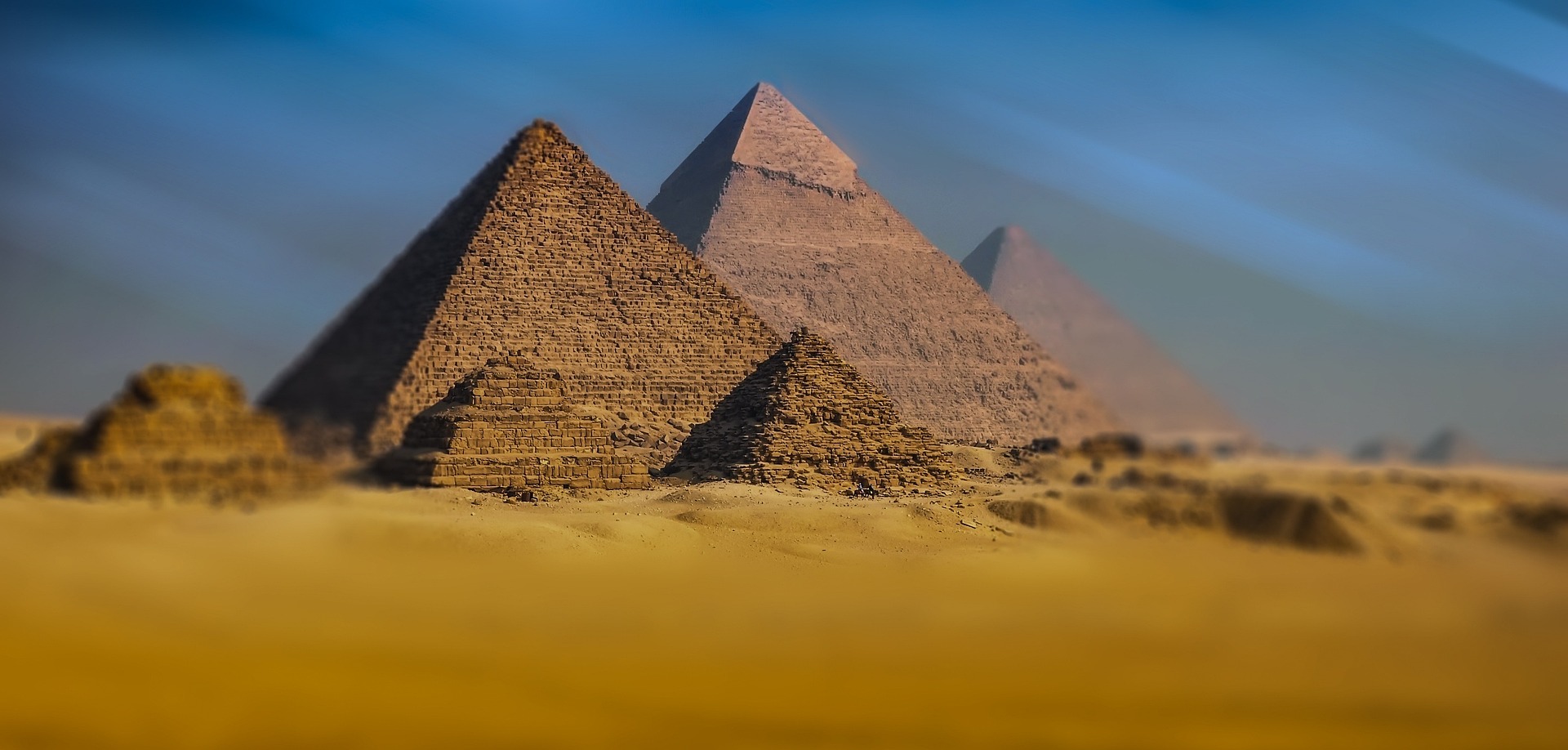
Discover the engineering secrets behind Egypt’s pyramids, temples, and colossal statues. Learn how ancient Egyptian builders transported enormous stone blocks using sledges, ropes, ramps, waterways, and remarkable teamwork.
Introduction: The Mystery Behind Ancient Egypt’s Megalithic Monuments
The pyramids of Giza, the colossal statues of Luxor, and the magnificent temples along the Nile are among the most extraordinary achievements of the ancient world. Some monuments were constructed from millions of limestone blocks, while other structures incorporated enormous granite stones transported from quarries hundreds of kilometers away.
But how did the ancient Egyptians move such massive stones without cranes, trucks, or modern construction equipment?
The answer lies in a combination of practical engineering, skilled workers, organized labor, and a deep understanding of the materials and landscape around them. Although some details remain debated, archaeological discoveries and ancient artwork reveal several techniques that helped Egyptian builders transform enormous blocks of stone into enduring monuments.
1. Wooden Sledges: Moving Heavy Stones Across the Ground
One of the most important tools used by ancient Egyptian builders was the wooden sledge.
Instead of placing a heavy stone on wheels, workers positioned it on a sturdy wooden platform that could be dragged across the ground using ropes. Wheels were not necessarily the best solution for extremely heavy blocks moving over sand, uneven terrain, or prepared construction surfaces.
A famous illustration from the tomb of Djehutihotep, an Egyptian official who lived during the Middle Kingdom, depicts a colossal statue being transported on a sledge pulled by numerous workers. A man pours liquid in front of the sledge, a detail often associated with reducing friction.
Modern experiments suggest that carefully controlled wetting can make sand firmer and reduce the force needed to pull a sledge. Too much water, however, can make the surface unstable. This technique demonstrates how a relatively simple method could make a difficult transportation task more manageable.
Why it mattered: Wooden sledges distributed the load, while ropes and coordinated pulling allowed teams of workers to move stones that would have been extremely difficult to drag individually.
2. The Power of Water: Transporting Stone Along the Nile
The Nile River was one of ancient Egypt’s greatest transportation advantages.
Many important building materials came from quarries located near the river or its tributaries and canals. Limestone was available around the Memphite region, while granite for royal monuments was quarried near Aswan, far to the south.
Transporting heavy stone overland for hundreds of kilometers would have been extraordinarily difficult. River transport offered a more practical alternative.
The Egyptians used boats and larger cargo vessels to move stone along waterways. During periods of favorable water levels, vessels could carry heavy blocks toward construction sites. Archaeological evidence from the Giza region, including the remains of ancient waterways and harbor installations, supports the importance of water transport in supplying major building projects.
A particularly valuable discovery is the ancient papyrus diary of an official named Merer. Dating to the reign of Khufu, the pharaoh associated with the Great Pyramid, it records the transportation of limestone from Tura toward the pyramid-building area at Giza.
This document offers a rare glimpse into the logistics behind pyramid construction. It shows that building the pyramids required not only skilled stoneworkers but also carefully organized transportation networks.
3. Ramps: Raising Stones to Greater Heights
Moving a massive block horizontally was only part of the challenge. Builders also needed to lift stones into position as pyramids and temples grew taller.
Ramps are widely considered an important part of ancient Egyptian construction, although the precise designs used at different sites remain uncertain.
Several possible ramp systems have been proposed:
- Straight ramps: Long, sloping surfaces that allowed workers to drag stones upward.
- Zigzag ramps: Routes that climbed a structure in a series of turns.
- Side ramps: Sloping approaches built alongside a monument.
- Combined ramp systems: Different arrangements used at different stages of construction.
A ramp reduces the steepness of a climb, allowing workers to apply force over a longer distance. However, ramps also require considerable building material and space, particularly when a structure reaches a great height.
Archaeologists have discovered evidence of ramp systems at ancient Egyptian quarry and construction sites. Nevertheless, there is no universally accepted reconstruction explaining exactly how every stone was raised during the construction of the Great Pyramid.
The most likely explanation is that builders adapted their methods to the monument, the stone, the available space, and the stage of construction.
4. Copper Tools, Stone Hammers, and Skilled Quarry Workers
Before a stone could be transported, it had to be extracted from the quarry and shaped.
Ancient Egyptian workers used a range of tools, including copper chisels, stone pounders, wooden wedges, and other implements suited to particular types of stone.
Limestone and sandstone could be worked using methods different from those required for hard granite. Granite quarrying was especially demanding because of the rock’s hardness. Workers used pounding stones, including hard dolerite pounders, to break down and shape the material.
At Aswan, unfinished obelisks and abandoned quarry features reveal how ancient workers cut enormous blocks directly from the bedrock. One famous example is the Unfinished Obelisk, which would have been one of the largest obelisks ever attempted if completed.
The monument provides a remarkable archaeological record of quarrying techniques. Cracks in the stone appear to have forced the workers to abandon the project, leaving behind evidence of the scale and difficulty of their work.
These quarry remains help us understand that ancient Egyptian engineering involved experimentation, careful planning, and sometimes failure—not simply the successful completion of monuments.
5. Ropes, Levers, and Human Coordination
Ancient Egyptian builders did not have modern hydraulic cranes, but they could still use mechanical principles to their advantage.
Ropes enabled teams to pull loads together, while levers could help reposition stones or make small adjustments during placement. Wooden supports and temporary structures may also have helped workers manage blocks at particular stages of construction.
The exact equipment varied depending on the task, and not every technique is equally well documented for every period. Nevertheless, the basic principle is clear: workers combined simple tools with coordinated effort to perform tasks that would have been impossible for one person alone.
Large construction projects also required more than physical strength. Supervisors had to organize work teams, arrange supplies, maintain tools, manage food and water, and coordinate quarrying with transportation and building schedules.
The Egyptians’ greatest achievement was therefore not just their ability to move heavy stone. It was their ability to organize an entire system around doing so.
6. How Did the Egyptians Move the Colossal Statues of Luxor?
Luxor provides some of the most impressive examples of ancient Egyptian monumental construction.
At the entrance to many temples, visitors encounter colossal statues, enormous columns, and massive stone blocks. The Colossi of Memnon, for example, are two monumental statues that once stood at the entrance to the mortuary temple of Amenhotep III on the West Bank of ancient Thebes.
Their scale raises an obvious question: how were such enormous statues transported and installed?
The answer likely involved several stages. Workers first extracted suitable stone from a quarry, shaped it as required, and moved it using transport systems appropriate to the terrain. Where waterways were available, boats could reduce the burden of overland transport. On land, sledges, prepared surfaces, ropes, and large labor teams could help move heavy objects.
At the destination, ramps, lifting arrangements, and careful positioning would have been needed to install the monuments.
The precise procedures used for each statue are not always known. What is certain is that these monuments reflect a sophisticated understanding of stoneworking, transport, and large-scale construction.
For travelers visiting Luxor today, these structures offer a direct connection to the engineering abilities of the people who built ancient Thebes.
7. Did the Egyptians Use Slaves to Build the Pyramids?
The popular image of thousands of enslaved people being forced to build the pyramids does not accurately reflect the full archaeological picture.
Evidence from workers’ settlements and cemeteries near Giza suggests that pyramid construction relied on organized labor forces that included skilled craftspeople and rotating teams of workers. Archaeologists have found remains of settlements, food production facilities, and burials associated with the workforce.
This does not mean that every worker enjoyed the same status or conditions. Labor obligations, social hierarchy, and coercion could all be part of ancient Egyptian society. However, the evidence does not support the simplistic claim that the pyramids were built entirely by enslaved people.
Moving massive stones required specialized knowledge and a well-managed workforce. Quarry workers, transport crews, builders, supervisors, and suppliers all played essential roles.
The pyramids were not only architectural achievements; they were also evidence of the state’s ability to coordinate resources and people on an extraordinary scale.
8. Why Are Scientists Still Studying Ancient Egyptian Construction?
Despite centuries of research, some questions remain unanswered.
Archaeologists continue to investigate how ramps were arranged, how heavy blocks were positioned at great heights, and how different construction methods changed from one period to another. New discoveries, experimental archaeology, satellite surveys, and scientific analysis can help researchers test competing explanations.
It is important to distinguish between what is supported by evidence and what remains hypothetical. Sledges, river transport, quarrying tools, and ramp systems have substantial archaeological support. The precise arrangement of ramps used to build the Great Pyramid, however, remains a subject of debate.
The enduring mystery does not mean that ancient Egyptians needed unknown technology or supernatural assistance. Their achievements can be explored through engineering principles, practical experimentation, and the evidence they left behind.
Their methods were ingenious because they made effective use of the materials, tools, and natural environment available to them.
9. Where Can You See Ancient Egyptian Engineering Today?
If you want to explore these engineering achievements in person, Egypt offers several remarkable places to visit.
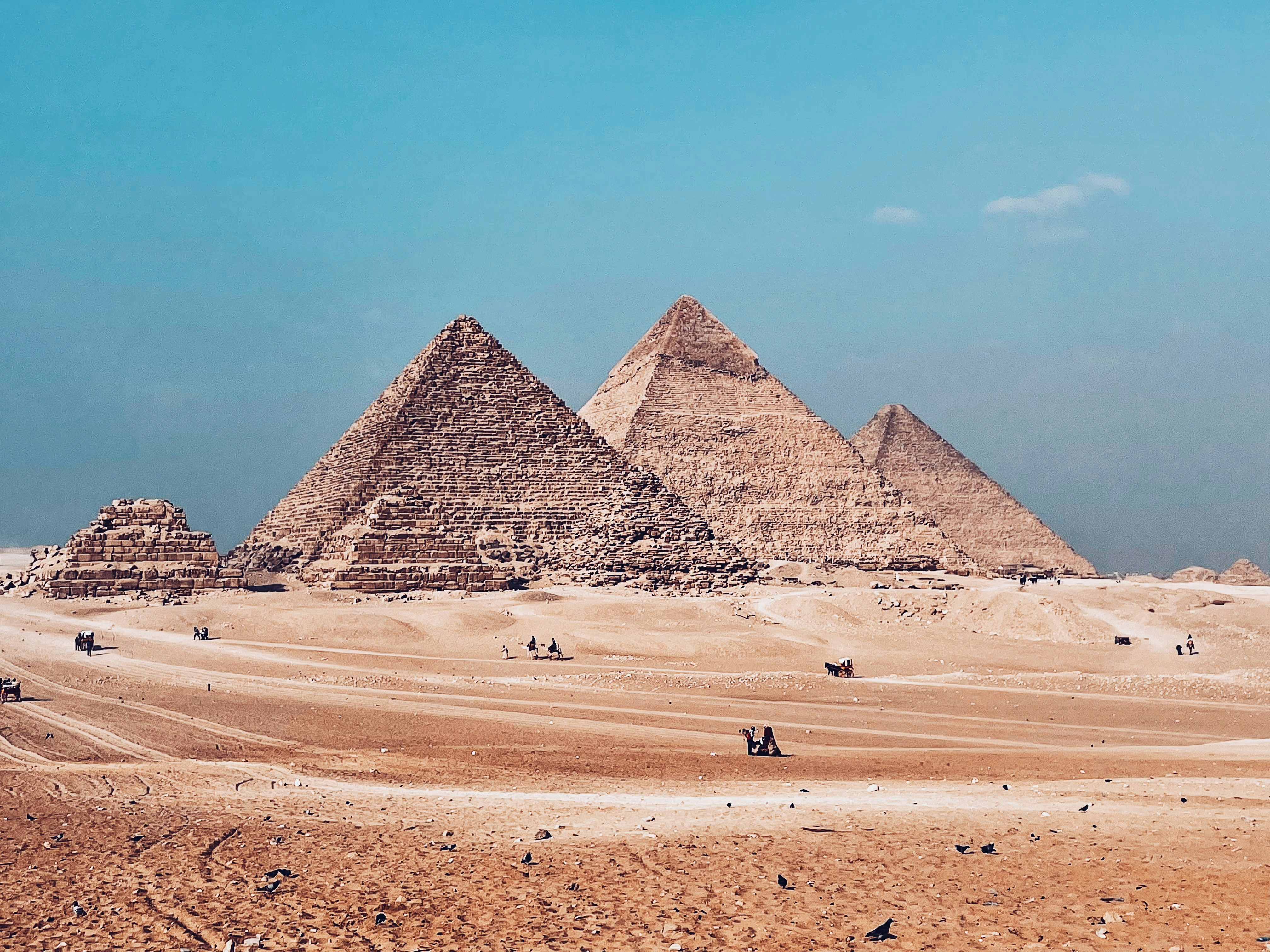
The Pyramids of Giza: See the Great Pyramid of Khufu and the surrounding pyramid complex, where the scale of ancient royal construction becomes immediately clear.
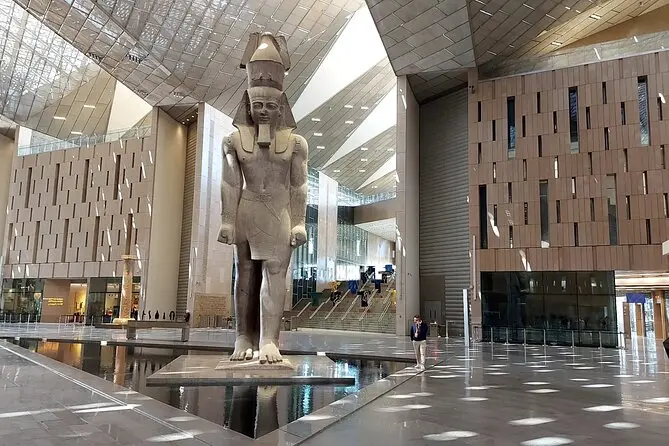
The Egyptian Museum and the Grand Egyptian Museum in Cairo/Giza: Explore collections that illuminate ancient Egyptian craftsmanship, royal monuments, and material culture. Check current exhibitions and access arrangements before visiting.
Karnak Temple in Luxor: Walk among gigantic columns, obelisks, gateways, and monumental stone architecture that reveal the ambition of ancient Egyptian rulers and builders.
The Colossi of Memnon: Visit these enormous statues on Luxor’s West Bank and learn about the monumental landscape of ancient Thebes.
The Unfinished Obelisk in Aswan: See an ancient quarry where an enormous obelisk remains attached to the bedrock, offering valuable evidence of stone extraction and the challenges faced by ancient craftsmen.
For the most rewarding experience, visit these sites with a knowledgeable local guide who can explain how the monuments were constructed, what archaeologists have discovered, and which questions remain unanswered.
Frequently Asked Questions
How did ancient Egyptians move heavy stones without wheels?
They used techniques such as wooden sledges, ropes, prepared pathways, and coordinated teams of workers. Boats were important for transporting stone along the Nile and connected waterways.
Did ancient Egyptians use ramps to build the pyramids?
Ramps are widely accepted as an important construction method, but the exact designs used during pyramid construction remain uncertain. Different ramp arrangements may have been used for different tasks and stages.
How did Egyptians transport granite from Aswan?
Granite was quarried near Aswan and could be transported by boat along the Nile when conditions allowed. Overland sledges and other methods could be used for movement between the river and the construction site.
Did the ancient Egyptians use cranes?
They did not have modern cranes. They relied on human labor, ropes, ramps, levers, and other simple mechanical methods. The exact techniques used to position every type of monument are not fully known.
How long did it take to build the Great Pyramid?
The Great Pyramid is commonly estimated to have taken around 20 years to build, although the exact construction schedule is not known with certainty.
What is the best place to see ancient Egyptian stoneworking?
The Unfinished Obelisk in Aswan is particularly valuable for understanding quarrying techniques. Karnak Temple and the Colossi of Memnon in Luxor showcase the monumental results of ancient stoneworking.
Discover the Engineering Wonders of Ancient Egypt
The monuments of ancient Egypt are more than impressive ruins. They are evidence of a civilization that combined practical engineering, skilled craftsmanship, transportation networks, and organized labor to create structures that have survived for thousands of years.
From the limestone blocks of Giza to the colossal statues and towering columns of Luxor, each monument offers clues about how ancient builders overcame extraordinary challenges with the tools available to them.
Ready to explore the wonders of ancient Egypt? Join a private guided tour to discover the pyramids, temples, colossal statues, and archaeological sites that reveal the ingenuity of the ancient Egyptians.
Explore our Giza Pyramids and Sphinx Tour, Luxor West Bank Private Tour, or Custom Private Tours in Luxor to experience Egypt’s remarkable history with a knowledgeable local guide.

Comments
Leave a comment