
Islamic Cairo: What to See and Do
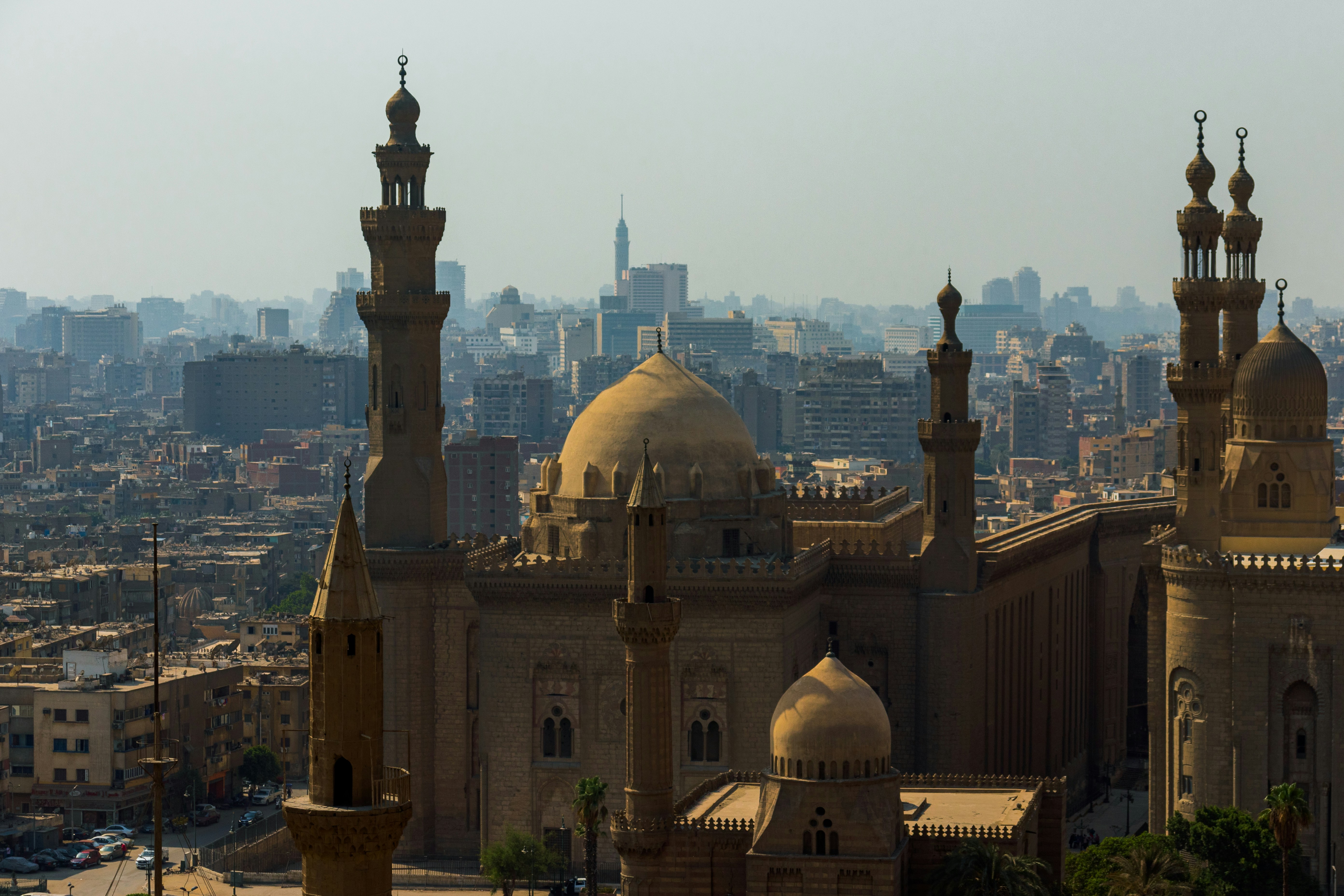
Islamic Cairo is one of the most fascinating areas of Egypt's capital, offering visitors the chance to explore centuries of Islamic architecture, historic markets, mosques, gates, schools, and traditional streets. Rather than being a single monument, Islamic Cairo is a large historic urban area where different periods of Cairo's history can still be seen in its streets and buildings.
Historic Cairo was added to the UNESCO World Heritage List in 1979. Its heritage includes monuments and urban areas associated with Fatimid, Ayyubid, Mamluk, Ottoman, and later periods.
For travelers interested in history, architecture, photography, culture, and local life, exploring Islamic Cairo is an excellent addition to a Cairo itinerary.
1. Walk Along Al-Muizz Street
Al-Muizz Street is one of the main highlights of Islamic Cairo. The historic street runs between Bab al-Futuh and Bab Zuweila and contains a remarkable concentration of Islamic monuments.
The Egyptian Ministry of Tourism and Antiquities describes Al-Muizz as an open-air museum containing monuments dating from the Fatimid period through the Muhammad Ali dynasty. The street is also surrounded by traditional markets and local craft shops.
Walking along Al-Muizz allows visitors to see historic architecture while experiencing the atmosphere of one of Cairo's traditional commercial districts.
2. Explore Khan el-Khalili Bazaar
Khan el-Khalili is one of Cairo's best-known traditional markets and an excellent place to continue your Islamic Cairo experience.
The narrow lanes are filled with shops selling souvenirs, jewelry, traditional crafts, spices, perfumes, lamps, and other products. Visitors can also stop at a traditional café for Egyptian tea or coffee.
The best way to experience the area is to walk slowly rather than rushing from one shop to another. Take time to observe the architecture, street life, and traditional crafts.
3. See Bab al-Futuh and Bab Zuweila
The historic gates of Cairo provide an impressive introduction to the city's medieval defenses.
Bab al-Futuh stands at the northern end of Al-Muizz Street, while Bab Zuweila is located toward its southern end. Both are important elements of the historic Fatimid city.
These gates are particularly interesting for travelers who enjoy medieval architecture and photography.
4. Visit Al-Azhar Mosque
Al-Azhar Mosque is one of the most important landmarks in Historic Cairo. Founded in the Fatimid period, Al-Azhar developed into a major centre of Islamic scholarship and continues to have an important religious and educational role.
Visitors interested in Islamic architecture and Egyptian history should include Al-Azhar when exploring the surrounding historic district.
When entering a mosque, dress respectfully and follow any visitor instructions regarding access and photography.
5. Discover Sultan Hassan Mosque
The Mosque-Madrasa of Sultan Hassan is one of Cairo's most impressive Mamluk monuments.
Its monumental scale, large courtyard, towering walls, and detailed architectural elements make it an important stop for anyone interested in Islamic art and architecture. UNESCO identifies the Sultan Hassan Madrassa among the major monuments that contribute to Historic Cairo's outstanding architectural heritage.
Nearby monuments make this area particularly worthwhile for travelers who want to see several historic buildings in one visit.
6. Visit the Mosque of Ibn Tulun
The Mosque of Ahmad Ibn Tulun is one of the outstanding early Islamic monuments in Cairo. Construction dates to the 9th century, and the mosque is known for its large open courtyard, distinctive arches, and famous spiral minaret. UNESCO identifies it as an exceptional example of early Islamic architecture.
The mosque is especially interesting for travelers who want to understand how Cairo's Islamic architecture developed before the Fatimid and Mamluk periods.
7. Explore the Cairo Citadel
The Citadel of Cairo sits on elevated ground overlooking the historic city. It became an important centre of government during the Ayyubid period and continued to play a major role in Cairo's history.
The Citadel complex contains several important buildings, including the Mosque of Muhammad Ali, whose Ottoman-inspired architecture gives it a distinctive appearance.
The elevated location also offers views across parts of Cairo.
8. Discover the Historic Markets and Crafts
Islamic Cairo is not simply an archaeological area. It remains a living part of Cairo where traditional commercial activities and crafts continue alongside historic monuments.
UNESCO notes that Historic Cairo preserves traditional markets and streets associated with different crafts and commercial activities.
Visitors can explore areas around Al-Muizz Street, browse traditional products, and observe local artisans and shopkeepers.
9. Explore Islamic Architecture Through Different Periods
One of the most interesting aspects of Islamic Cairo is the variety of architectural styles found within a relatively compact historic area.
Visitors can encounter:
- Fatimid architecture
- Mamluk mosques and madrasas
- Ayyubid defensive structures
- Ottoman-era buildings
- Historic sabils and fountains
- Traditional houses
- Medieval gates and markets
This mixture makes Islamic Cairo particularly valuable for travelers who want to understand how the city developed over centuries.
10. Visit the Museum of Islamic Art
For travelers who want more context about Islamic art, the Museum of Islamic Art in Cairo is an important cultural stop.
The museum provides an opportunity to see objects representing different periods and regions of Islamic civilization, helping visitors understand the artistic traditions reflected in Cairo's historic buildings.
Combining the museum with a walking tour of Historic Cairo can provide a broader perspective on Islamic art and architecture.
11. Take a Guided Walking Tour
Islamic Cairo is much easier to appreciate when you understand the history behind the buildings.
A local guide can explain the different architectural periods, identify important monuments, describe traditional markets, and connect individual buildings to the wider history of Cairo.
A walking tour can be especially useful because many historic monuments are located along or close to traditional streets and alleys.
12. Enjoy Islamic Cairo in the Evening
Islamic Cairo has a different atmosphere after sunset. Traditional markets become lively, historic buildings are illuminated, and cafés fill with local visitors.
An evening walk around Al-Muizz Street and Khan el-Khalili can be a memorable addition to a Cairo itinerary.
Always check current monument opening hours before planning an evening visit because individual sites may have different schedules.
Suggested Islamic Cairo Itinerary
If you have one day available, you can organize your visit around several major areas.
Morning
- Start at the Citadel of Cairo
- Visit the Mosque of Muhammad Ali
- Continue toward Sultan Hassan Mosque
- Explore the Mosque of Ibn Tulun
Afternoon
- Walk through Al-Muizz Street
- Visit selected historic monuments
- Explore Bab al-Futuh or Bab Zuweila
- Continue to Khan el-Khalili
Evening
- Explore the traditional market
- Enjoy Egyptian tea or coffee
- Have dinner at a local restaurant
The exact order can be adjusted according to opening hours, traffic, weather, and the attractions you want to visit.
How Much Time Do You Need for Islamic Cairo?
A half-day visit can cover several major highlights, but a full day gives you more time to explore the monuments, markets, and historic streets without rushing.
Travelers who are particularly interested in Islamic architecture and history may want to dedicate even more time to the area.
Best Time to Visit Islamic Cairo
The cooler months are generally more comfortable for walking around Historic Cairo, particularly from autumn through spring.
During hotter months, starting earlier in the day can make outdoor sightseeing more comfortable. Comfortable walking shoes, sun protection, and water are recommended because exploring the historic district involves considerable walking.
Why Visit Islamic Cairo?
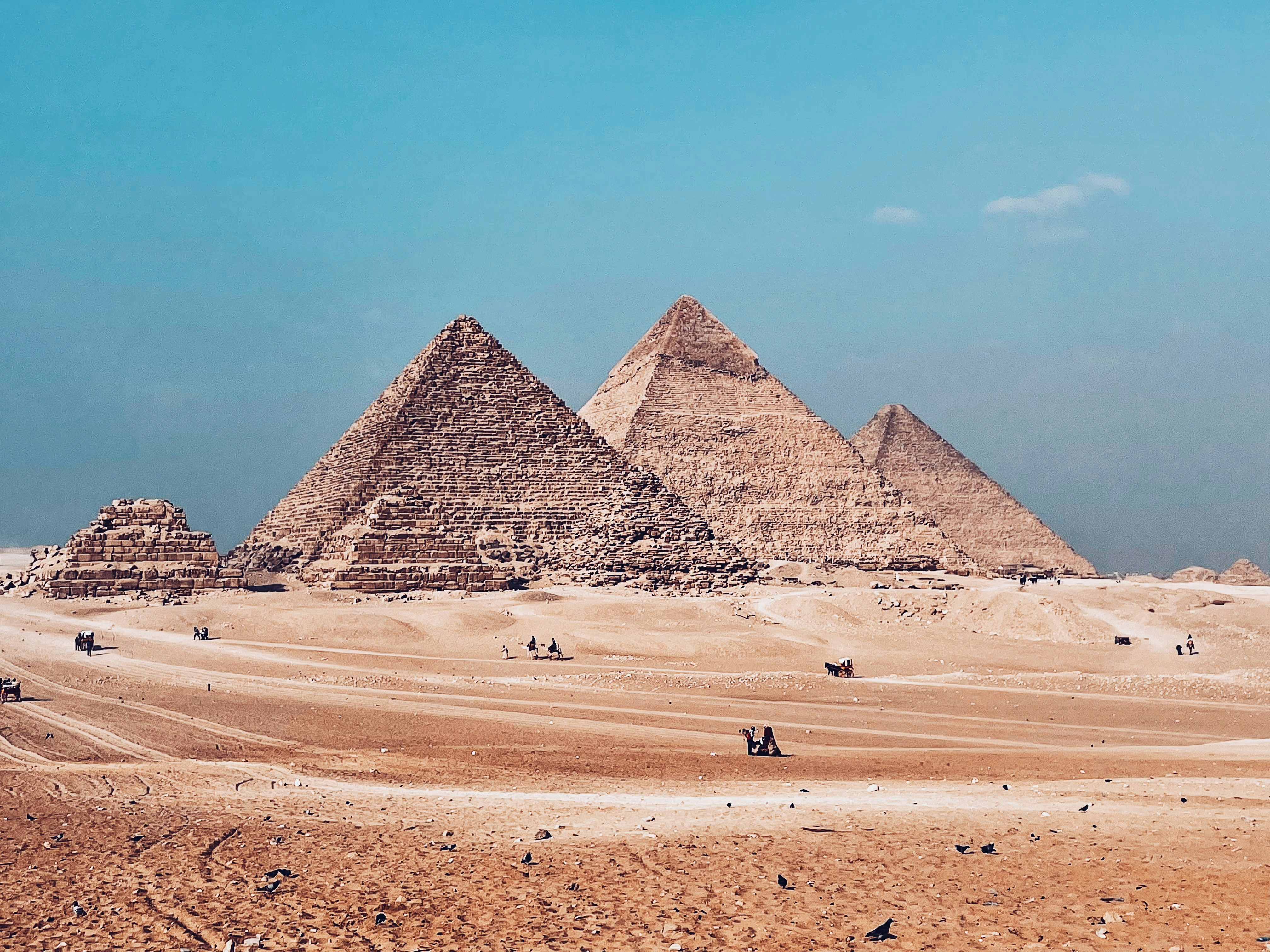
Islamic Cairo offers something different from the ancient Egyptian monuments of Giza. Instead of focusing on pharaohs and pyramids, visitors discover medieval Cairo, Islamic architecture, traditional markets, historic streets, and centuries of cultural development.
UNESCO describes Historic Cairo as an exceptional surviving urban environment containing monuments, traditional streets, markets, religious buildings, and other elements that reflect the city's long history.
For first-time visitors to Egypt, combining the Giza Pyramids with Islamic Cairo provides a broader understanding of Cairo's ancient and medieval heritage.
Frequently Asked Questions
Is Islamic Cairo worth visiting?
Yes. Islamic Cairo offers a different experience from the pyramids and ancient Egyptian sites, with historic mosques, markets, medieval streets, gates, and traditional architecture.
What is the main street in Islamic Cairo?
Al-Muizz Street is one of the principal historic streets and contains a large concentration of Islamic monuments. The Egyptian Ministry of Tourism and Antiquities lists 29 monuments along the historic street.
How long should I spend in Islamic Cairo?
A half-day can cover several highlights, while a full day is better if you want to explore the monuments, Al-Muizz Street, Khan el-Khalili, and surrounding historic areas at a relaxed pace.
What should I wear when visiting mosques?
Wear modest clothing that covers the shoulders and knees. Visitors should also follow the specific rules of each mosque regarding shoes, photography, and access.
Can I combine Islamic Cairo with the Pyramids?
Yes. However, visiting both areas thoroughly on the same day can create a busy schedule. Travelers with more time may prefer to dedicate separate days to Giza and Historic Cairo.
Is Islamic Cairo a UNESCO World Heritage Site?
Historic Cairo was inscribed on the UNESCO World Heritage List in 1979. The designated area includes major monuments and historic urban districts associated with different periods of Cairo's development.
Comments
Leave a comment