Luxor Travel Guide: Best Things to Do in Egypt
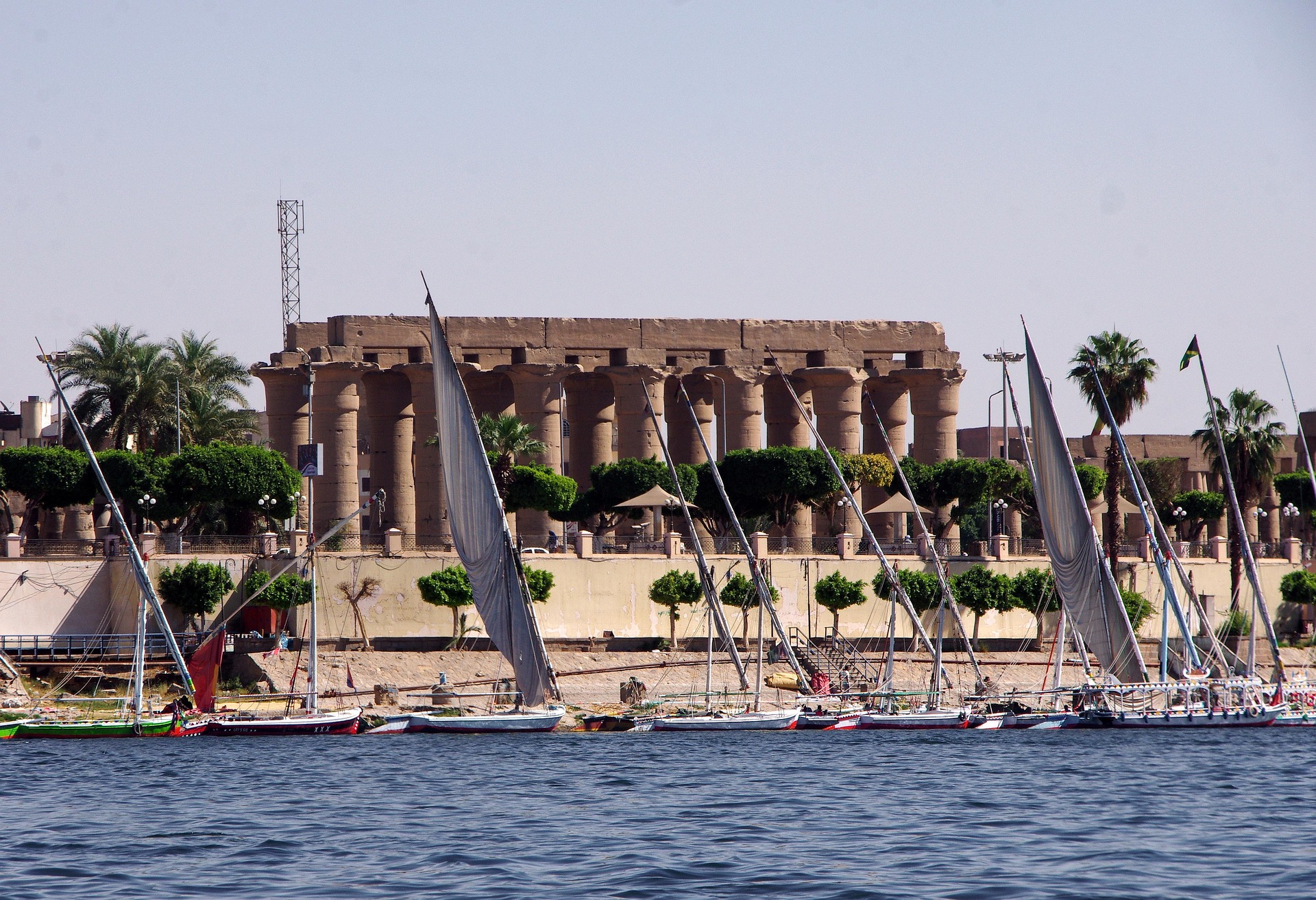
Luxor is one of the most important destinations for anyone interested in ancient Egypt. Often described as an open-air museum, the city is home to magnificent temples, royal tombs, ancient monuments and archaeological treasures on both sides of the Nile.
Modern Luxor occupies the area of ancient Thebes, an important city of ancient Egypt. The archaeological area of Ancient Thebes and its Necropolis was added to the UNESCO World Heritage List in 1979 and includes major monuments on both the East and West Banks.
Whether you are visiting Luxor on a Nile cruise, staying for several nights, or taking a day trip from Hurghada, this Luxor travel guide will help you plan what to see and do.
Why Visit Luxor?
Luxor offers an unusually concentrated collection of ancient Egyptian monuments. On the East Bank, visitors can explore Karnak Temple and Luxor Temple. Across the Nile, the West Bank contains the Valley of the Kings, Hatshepsut Temple, Valley of the Queens, Medinet Habu and other important archaeological sites.
The city's location along the Nile also makes it a convenient base for exploring Upper Egypt.
1. Visit Karnak Temple
Karnak Temple is one of the essential places to visit in Luxor.
Rather than being a single temple, Karnak is a huge religious complex containing temples, chapels and other structures developed over many centuries. The Great Temple of Amun is the most famous part of the complex.
One of its most impressive features is the Great Hypostyle Hall, which contains 134 massive columns. The complex also includes obelisks, the Sacred Lake and numerous decorated structures.
Allow enough time to explore Karnak rather than treating it as a quick photo stop.
2. Explore Luxor Temple
Luxor Temple is located in the heart of modern Luxor on the East Bank of the Nile.
The temple was closely connected with Karnak and was an important destination during the ancient Opet Festival. It contains monumental statues, columns, reliefs and the famous obelisk at its entrance.
Luxor Temple is particularly atmospheric later in the day, when its monumental architecture can be seen in changing light.
A visit to Karnak and Luxor Temple together gives travelers a better understanding of the religious landscape of ancient Thebes.
3. Discover the Valley of the Kings
For many travelers, the Valley of the Kings is the highlight of a Luxor trip.
The valley was used as a royal burial ground during Egypt's New Kingdom. It contains more than 60 known tombs and additional unfinished tombs, although not every tomb is open to visitors.
Inside the tombs, visitors can see corridors and chambers decorated with colorful scenes, religious texts and representations connected with the ancient Egyptian beliefs about the afterlife.
The tomb of Tutankhamun is also located here, although its entrance requires attention to the current ticket arrangements.
Because the Valley of the Kings can become hot, an early morning visit is often more comfortable.
4. Visit Hatshepsut Temple
The Temple of Hatshepsut at Deir al-Bahari is one of Luxor's most distinctive monuments.
Built for Queen Hatshepsut, the temple rises in three large terraces against the dramatic cliffs of the West Bank. Its architecture is particularly striking because the terraces appear to emerge from the surrounding landscape.
The temple contains decorated reliefs associated with Hatshepsut's reign, including scenes connected with her famous expedition to Punt.
Combining Hatshepsut Temple with the Valley of the Kings makes a natural West Bank itinerary.
5. See the Colossi of Memnon
The Colossi of Memnon are two enormous stone statues standing on Luxor's West Bank.
They are among the easiest archaeological sites to visit because they are located close to the main road used by many West Bank tours.
The statues can be included in a morning itinerary together with the Valley of the Kings and Hatshepsut Temple.
6. Explore the Valley of the Queens
The Valley of the Queens provides another perspective on royal burial practices in ancient Egypt.
The area contains tombs associated with queens and members of the royal family. One of its most famous attractions is the tomb of Queen Nefertari, known for its exceptionally well-preserved colorful decoration.
The Valley of the Queens can be particularly interesting for repeat visitors who want to explore beyond the most famous Luxor attractions.
7. Visit Medinet Habu
Medinet Habu is one of the most impressive temples on Luxor's West Bank.
The temple complex is associated with Ramesses III and is famous for its monumental architecture and richly decorated walls.
For travelers interested in ancient Egyptian military history, royal ceremonies and temple reliefs, Medinet Habu is an excellent addition to a West Bank itinerary.
8. Discover Deir el-Medina
Deir el-Medina offers a different experience from the royal tombs.
It was the settlement associated with the craftsmen who worked on royal tombs in the nearby valleys. The site helps visitors understand the people behind the construction and decoration of some of ancient Egypt's most famous tombs.
It can be combined with the Valley of the Queens and Medinet Habu.
9. Take a Hot Air Balloon Ride
A hot air balloon flight is one of the most memorable experiences available in Luxor.
Early in the morning, passengers can see the Nile, agricultural fields, desert landscape and monuments from above.
The experience also provides a completely different perspective on the geography of Luxor, especially the contrast between the green Nile Valley and the surrounding desert.
Weather and operating conditions can affect balloon flights, so travelers should confirm the schedule with their operator.
10. Walk Along the Nile
Not every Luxor experience requires an archaeological ticket.
Walking along the Nile Corniche provides an opportunity to see local life, traditional boats and the river that shaped ancient Egyptian civilization.
A short felucca ride can also be a relaxing way to experience the Nile, particularly around sunset when temperatures are more comfortable.
11. Explore Sphinx Avenue
Sphinx Avenue historically connected Karnak Temple with Luxor Temple.
The ancient processional route is approximately 2.7 kilometers long and is lined with sphinxes. It formed an important part of the ceremonial landscape of ancient Thebes.
It is an excellent subject to explore when visiting both Karnak and Luxor Temple because it helps explain the relationship between the two monuments.
12. Visit Luxor Museum
Travelers interested in archaeology can add Luxor Museum to their itinerary.
The museum provides a more controlled environment for viewing ancient Egyptian artifacts and can complement visits to the large archaeological sites.
If you have several days in Luxor, adding a museum visit gives your itinerary a useful balance between outdoor sightseeing and indoor exhibits.
East Bank or West Bank: Which Should You Visit?
The best answer is both.
The East Bank is home to Karnak Temple and Luxor Temple, while the West Bank contains the Valley of the Kings, Hatshepsut Temple, Colossi of Memnon, Valley of the Queens, Medinet Habu and Deir el-Medina.
For a first visit, dividing sightseeing between the two banks is usually the most practical approach.
Suggested 1-Day Luxor Itinerary
If you only have one day, an itinerary could include:
Morning
Valley of the Kings
Hatshepsut Temple
Colossi of Memnon
Afternoon
Lunch
Karnak Temple
Evening
Luxor Temple
The exact order can be adjusted according to weather, opening times, cruise schedules and your preferred pace.
Suggested 2-Day Luxor Itinerary
Day 1 – West Bank
Valley of the Kings
Hatshepsut Temple
Colossi of Memnon
Medinet Habu
Deir el-Medina
Day 2 – East Bank
Karnak Temple
Luxor Museum
Luxor Temple
Sphinx Avenue
Felucca or Nile experience
This gives you considerably more time to appreciate Luxor rather than rushing between monuments.
Best Way to Explore Luxor
Private guided tours are useful for travelers who want to understand the history behind the monuments rather than simply visit them.
A local guide can explain the religious symbolism, architecture, ancient Egyptian rulers and stories represented in the tombs and temple reliefs.
Private transportation can also make it easier to combine several West Bank attractions in one morning and adjust the itinerary according to your interests.
Visiting Luxor From Hurghada
Luxor is also a popular excursion from Hurghada. A one-day trip can combine major attractions such as Karnak Temple, the Valley of the Kings, Hatshepsut Temple and the Colossi of Memnon.
For travelers staying in Hurghada, visiting Luxor provides an opportunity to add ancient Egyptian history to a Red Sea holiday. Egypt's Ministry of Tourism and Antiquities has also documented organized one-day trips from Hurghada to Luxor featuring these major archaeological sites.
Luxor and the Nile Cruise
Luxor is one of the principal starting points for Nile cruises.
A cruise between Luxor and Aswan allows travelers to combine Luxor's major monuments with archaeological sites farther south while traveling along the Nile.
Many visitors choose to spend additional time in Luxor before or after their cruise so they can explore the city without rushing.
Best Time to Visit Luxor
Luxor can be visited throughout the year, but temperatures should be considered when planning outdoor sightseeing.
The archaeological sites are largely outdoors, so early morning tours can be particularly comfortable during hotter periods.
During warmer months, carrying water, wearing suitable clothing and protecting yourself from the sun are important practical considerations.
How Long Do You Need in Luxor?
A single day can cover the major highlights, but two or three days allow a much more relaxed experience.
A first-time visitor with limited time can focus on the Valley of the Kings, Hatshepsut Temple, Karnak Temple and Luxor Temple.
With additional time, consider adding Medinet Habu, the Valley of the Queens, Deir el-Medina, Luxor Museum, a felucca ride or a hot air balloon experience.
Final Thoughts
Luxor is one of the most rewarding destinations in Egypt for travelers interested in history and ancient civilization. Its combination of monumental temples, royal tombs, the Nile and traditional local life makes it much more than a simple sightseeing stop.
From Karnak and Luxor Temple on the East Bank to the Valley of the Kings and Hatshepsut Temple on the West Bank, there is enough to explore for several days.
Whether you arrive by Nile cruise, fly from Cairo, travel from Hurghada or build Luxor into a longer Egypt itinerary, planning your visits around the East and West Banks will help you experience more of what this remarkable city has to offer.
Frequently Asked Questions
What are the best things to do in Luxor?
The major highlights include Karnak Temple, Luxor Temple, the Valley of the Kings, Hatshepsut Temple, the Colossi of Memnon, Medinet Habu and the Valley of the Queens.
Is one day enough for Luxor?
One day is enough to visit several major attractions, but two or more days allow you to explore Luxor at a more relaxed pace.
Is Luxor worth visiting?
Luxor is an important destination for travelers interested in ancient Egyptian history because it contains a remarkable concentration of temples, tombs and archaeological sites.
What should I visit first in Luxor?
For many first-time visitors, an early morning visit to the West Bank followed by East Bank attractions is a practical approach. The exact schedule should depend on weather and opening times.
Can I visit Luxor from Hurghada?
Yes. Luxor can be visited as a day trip from Hurghada, although the journey makes for a long day. A private or organized excursion can combine the main archaeological highlights.
How many days should I spend in Luxor?
Two days is a good starting point for seeing the principal attractions without rushing. Travelers with a strong interest in archaeology may prefer three or more days.
Can I take a Nile cruise from Luxor?
Yes. Luxor is one of the main embarkation points for Nile cruises traveling between Luxor and Aswan.
Comments
Leave a comment