Luxor West Bank: Valley of the Kings, Hatshepsut & More
The Luxor West Bank is one of the most fascinating areas in Egypt for travelers interested in ancient history, archaeology, and the civilization of the pharaohs. Located across the Nile from modern Luxor, the West Bank is home to royal tombs, magnificent temples, ancient settlements, and impressive monuments surrounded by the dramatic Theban mountains.
A visit to the West Bank allows you to explore some of Egypt's most important archaeological sites in one area. From the famous Valley of the Kings to the beautifully positioned Temple of Hatshepsut, there is plenty to discover.
Valley of the Kings
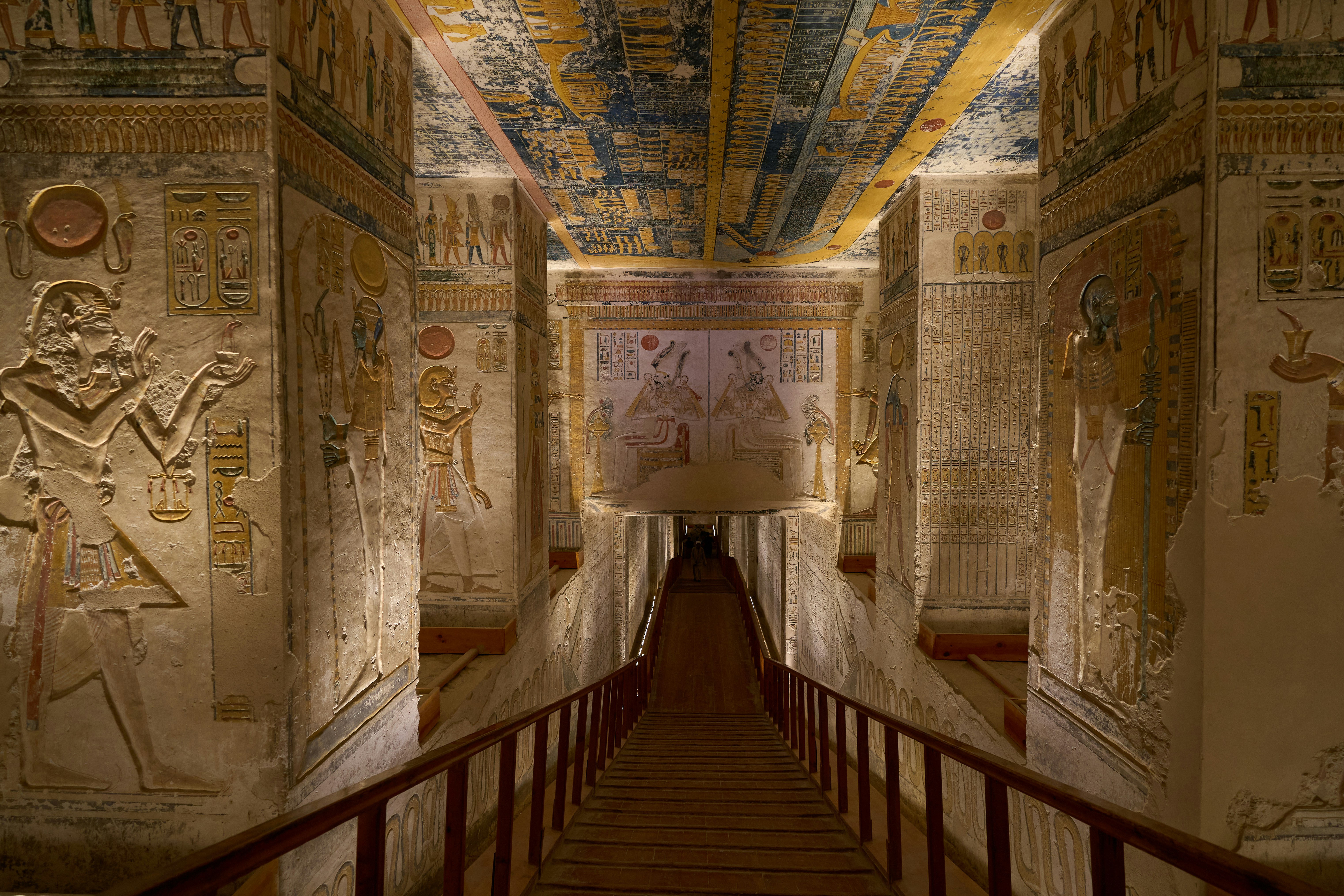
The Valley of the Kings is the most famous attraction on Luxor's West Bank. During the New Kingdom period, Egyptian rulers were buried in tombs carved into the surrounding mountains.
The tombs contain corridors, chambers, inscriptions, and colorful scenes connected with ancient Egyptian beliefs about the afterlife. The artwork provides valuable insight into religious traditions, royal symbolism, and the journey of the deceased into the next world.
One of the most famous discoveries in the valley was the tomb of Tutankhamun, which became internationally known after its discovery in 1922. Visiting the valley with a knowledgeable guide can help you understand how the tombs were designed and why this remote landscape was selected as a royal burial area.
Because entrance arrangements and the tombs available to visitors can change, travelers should check current ticket information when planning their visit.
Hatshepsut Temple
The Temple of Hatshepsut at Deir el-Bahari is another essential stop on the Luxor West Bank. Built for Queen Hatshepsut, the temple is famous for its three terraces rising dramatically against the limestone cliffs.
Its architectural design is different from many other ancient Egyptian temples, making it particularly interesting for photographers and history enthusiasts. Your guide can explain Hatshepsut's reign, the temple's religious purpose, and the stories represented through its surviving reliefs.
The surrounding cliffs also create an impressive backdrop and make this one of the most recognizable landscapes in Luxor.
Colossi of Memnon
The Colossi of Memnon are two enormous stone statues located near the modern road through the West Bank. They once stood in front of a much larger mortuary temple associated with Pharaoh Amenhotep III.
The statues are an easy stop to include in a West Bank itinerary and offer excellent opportunities for photographs. Their enormous scale gives visitors an immediate impression of the monumental construction techniques used in ancient Egypt.
Medinet Habu
For travelers who want to explore beyond the most famous sites, Medinet Habu is an excellent addition to a Luxor West Bank tour.
The temple complex is strongly associated with Pharaoh Ramesses III and is particularly notable for its substantial walls, columns, reliefs, and inscriptions. Many of the surviving decorations provide information about religious ceremonies, military campaigns, and the reign of Ramesses III.
Its scale and relatively extensive surviving decoration make Medinet Habu an important stop for travelers interested in ancient Egyptian architecture.
Valley of the Queens
The Valley of the Queens provides another perspective on royal burial traditions. Located in the Theban necropolis, the area contains tombs associated with queens, princes, and other members of the royal family.
The tomb of Queen Nefertari is particularly famous for its beautifully preserved decoration, although access and ticket arrangements may vary. Travelers should check current opening and ticket information before visiting.
Deir el-Medina: The Workers' Village
One of the most interesting places on the West Bank is Deir el-Medina, the ancient settlement of workers who constructed and decorated many of the royal tombs.
Unlike the monumental temples and royal burial sites, Deir el-Medina offers a glimpse into the everyday lives of the people who supported Egypt's royal building projects.
The site can help visitors understand ancient housing, community life, occupations, and religious practices. It is an excellent choice for travelers who want to see more than royal monuments.
How to Plan a Luxor West Bank Tour
A typical Luxor West Bank tour can begin early in the morning, when temperatures are generally more comfortable for walking.
A classic itinerary may include:
Valley of the Kings
Hatshepsut Temple
Colossi of Memnon
Medinet Habu or another nearby site
Travelers with more time can add the Valley of the Queens and Deir el-Medina.
A private tour provides greater flexibility because the itinerary can be adjusted according to your interests, available time, and preferred pace.
How Long Do You Need?
You can see the main West Bank highlights in approximately half a day, but a full-day itinerary gives you more time to explore additional archaeological sites.
If you are particularly interested in ancient Egyptian history, consider spending a full day exploring the West Bank rather than trying to visit every attraction quickly.
Best Time to Visit Luxor West Bank
The cooler months are generally comfortable for exploring Luxor's archaeological sites. During warmer periods, an early morning start is especially useful because much of the sightseeing involves walking outdoors with limited shade.
Comfortable clothing, suitable walking shoes, sun protection, and drinking water are recommended.
Why Visit the Luxor West Bank?
The West Bank brings together royal tombs, monumental temples, ancient settlements, and desert landscapes in one remarkable archaeological area. It allows visitors to see different aspects of ancient Egyptian civilization—from the burial traditions of pharaohs to the daily lives of the workers who created their tombs.
Whether you are visiting Luxor for one day or staying several nights, the West Bank should be an important part of your itinerary.
Plan Your Luxor West Bank Experience
A private Luxor West Bank tour can be customized around the sites you want to visit. The classic combination of the Valley of the Kings, Hatshepsut Temple, and Colossi of Memnon is ideal for first-time visitors, while additional sites such as Medinet Habu, the Valley of the Queens, and Deir el-Medina are excellent choices for travelers who want a deeper archaeological experience.
Comments
Leave a comment