
Medinet Habu: Complete Travel Guide
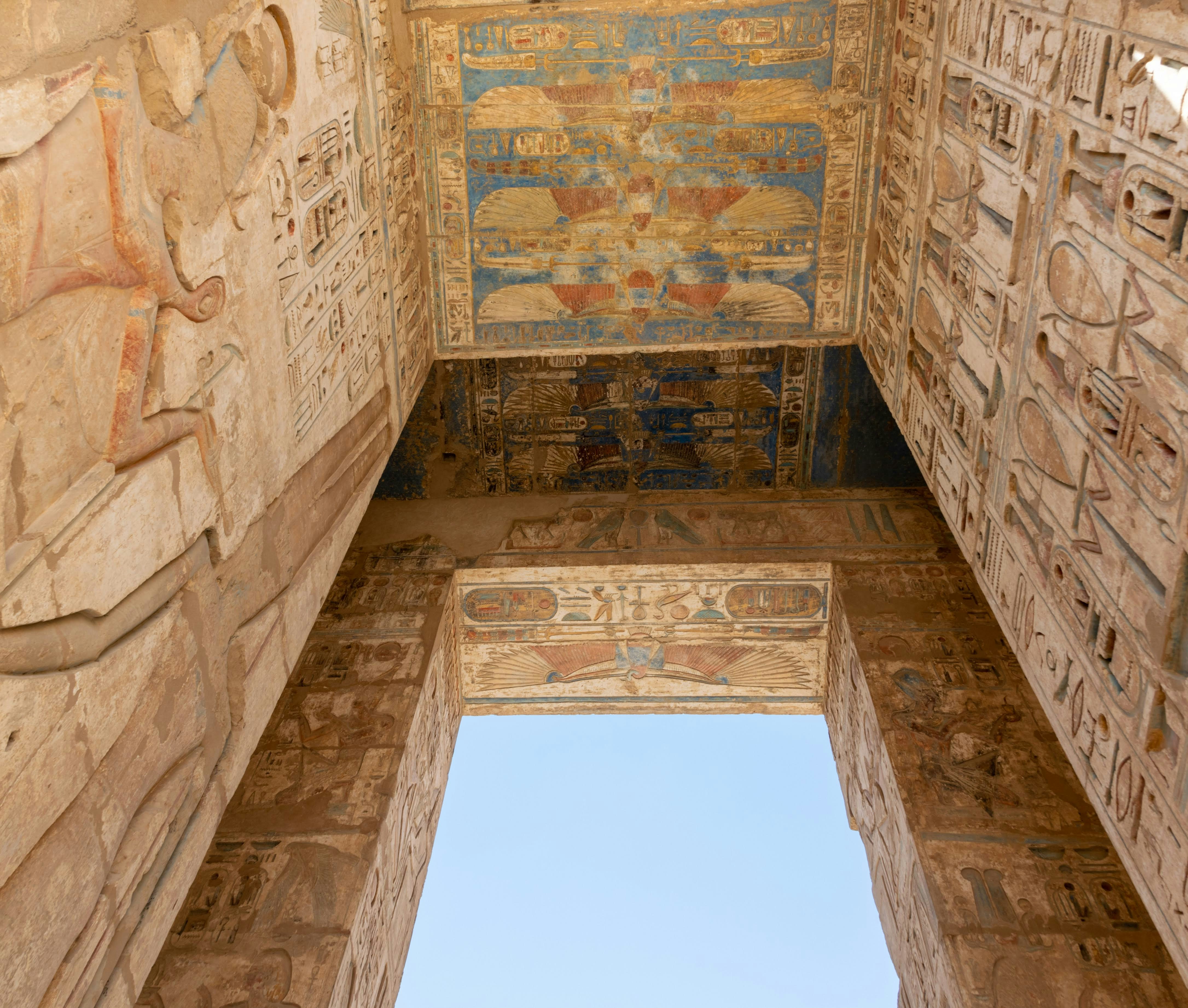
Medinet Habu is one of the most impressive ancient Egyptian temples on Luxor’s West Bank. Often overlooked by visitors who focus on the Valley of the Kings and Hatshepsut Temple, Medinet Habu offers a remarkable combination of monumental architecture, colorful reliefs, enormous pylons, courtyards, and detailed historical scenes.
Located near the Theban necropolis, the temple was built primarily as the mortuary temple of Ramesses III, one of the important rulers of Egypt’s New Kingdom. Its impressive walls and surviving decorations provide visitors with an opportunity to explore ancient Egyptian history in a setting that is generally less crowded than some of Luxor’s most famous monuments.
If you are planning a trip to Luxor, adding Medinet Habu to your West Bank itinerary can provide a deeper understanding of ancient Egyptian temples, royal traditions, and the history of the New Kingdom.
Where Is Medinet Habu?
Medinet Habu is located on the West Bank of the Nile in Luxor, close to several major archaeological sites.
Its location makes it easy to combine with other West Bank attractions, including:
- Valley of the Kings
- Hatshepsut Temple
- Colossi of Memnon
- Valley of the Queens
- Deir el-Medina
A private West Bank tour can therefore include Medinet Habu as part of a wider archaeological itinerary.
Who Built Medinet Habu?
The main temple at Medinet Habu was constructed during the reign of Ramesses III, who ruled Egypt during the 20th Dynasty.
Ramesses III is particularly associated with Egypt's efforts to defend its territory during a period of significant political and military challenges. Scenes on the temple walls preserve representations of battles, religious ceremonies, offerings, and royal activities.
The complex also has connections with earlier religious traditions and later periods of Egyptian history, making it more than simply a single temple building.
Why Is Medinet Habu Important?
Medinet Habu is important because its surviving architecture and decoration provide valuable insight into the religious and political world of ancient Egypt.
The temple contains large-scale reliefs and inscriptions showing gods, pharaohs, military scenes, offerings, and ceremonial activities. Many details remain remarkably visible, allowing visitors to appreciate the skill of ancient Egyptian craftsmen.
The site also demonstrates how a royal mortuary temple could function as both a religious center and a monument celebrating the king.
What Can You See at Medinet Habu?
A visit to Medinet Habu can reveal several impressive architectural features.
The First Pylon
The monumental entrance immediately demonstrates the scale of the complex. The first pylon is decorated with reliefs and inscriptions associated with Ramesses III.
Walking through the entrance gives visitors a strong sense of how impressive the temple would have appeared in antiquity.
The First Courtyard
The first courtyard contains massive columns, statues, and decorated walls.
The reliefs provide examples of ancient Egyptian artistic conventions and royal symbolism. Take time to look closely at the surviving details rather than simply walking through the courtyard.
The Second Pylon and Courtyard
Further into the complex, visitors encounter additional architectural features and decorated surfaces.
The scale of the columns and walls makes it easier to understand the importance of Medinet Habu as a major royal temple.
Temple Reliefs
One of the main reasons to visit Medinet Habu is the quality and variety of its wall reliefs.
You can see scenes representing:
- Pharaoh Ramesses III
- Ancient Egyptian gods
- Religious ceremonies
- Offerings
- Military campaigns
- Battles
- Prisoners and foreign peoples
- Royal processions
The reliefs can be particularly interesting for travelers who want to learn more about ancient Egyptian history beyond tombs and pyramids.
Medinet Habu and the Sea Peoples
Some of the most famous reliefs at Medinet Habu relate to the conflicts involving groups commonly referred to as the Sea Peoples.
The temple preserves detailed representations of military confrontations during the reign of Ramesses III. These scenes are historically significant because they provide evidence for how the Egyptian state represented major conflicts during the late New Kingdom.
When visiting, it is worth spending time with these reliefs and discussing their historical context with a qualified Egyptologist or licensed guide.
How Long Do You Need at Medinet Habu?
Most visitors can explore the main temple in approximately one to two hours, depending on their interests.
History enthusiasts and photographers may want more time because there are many reliefs, inscriptions, and architectural details to examine.
If Medinet Habu is combined with other West Bank attractions, the total excursion will naturally take longer.
A typical full-day West Bank itinerary could include:
1. Valley of the Kings
2. Hatshepsut Temple
3. Colossi of Memnon
4. Medinet Habu
5. Deir el-Medina or Valley of the Queens
The exact order can be adjusted according to opening times, weather, and your interests.
Best Time to Visit Medinet Habu
The cooler months are generally comfortable for exploring Luxor's archaeological sites.
For a more comfortable experience, consider visiting early in the morning when temperatures are lower. Early starts are particularly useful during warmer months because much of the sightseeing takes place outdoors.
Comfortable walking shoes, water, sunglasses, and sun protection are recommended.
Medinet Habu or Valley of the Kings?
These sites offer very different experiences.
The Valley of the Kings is famous for its royal tombs carved into the mountains, while Medinet Habu is a monumental temple complex with extensive walls, courtyards, columns, inscriptions, and reliefs.
If you have enough time, visiting both provides a more complete understanding of ancient Egyptian royal culture.
The Valley of the Kings shows the world of royal burial and the afterlife, while Medinet Habu demonstrates the religious and ceremonial role of a royal temple.
Can You Visit Medinet Habu With Hatshepsut Temple?
Yes. Medinet Habu and Hatshepsut Temple are both located on Luxor's West Bank and can be included in the same sightseeing itinerary.
A well-organized West Bank tour can combine:
Valley of the Kings → Hatshepsut Temple → Colossi of Memnon → Medinet Habu
Traveling with a private vehicle and guide can make it easier to move between the archaeological sites and adjust the pace according to your interests.
Medinet Habu Travel Tips
Before visiting Medinet Habu, keep these practical tips in mind:
- Start early, especially during hot weather.
- Wear comfortable shoes because you will be walking.
- Carry drinking water.
- Bring sun protection.
- Allow enough time to appreciate the wall reliefs.
- Consider visiting with a knowledgeable guide to understand the inscriptions and historical scenes.
- Check current opening hours and ticket information before your visit.
- Combine Medinet Habu with other West Bank attractions to make efficient use of your sightseeing time.
Is Medinet Habu Worth Visiting?
For travelers interested in ancient Egyptian history, temples, architecture, and reliefs, Medinet Habu offers an excellent addition to a Luxor itinerary.
Its monumental entrance, decorated walls, royal reliefs, and connection with Ramesses III make it one of the important archaeological sites on the West Bank.
It is also a useful choice for travelers who want to explore beyond the most heavily visited attractions.
Plan Your Luxor West Bank Tour
Medinet Habu can be visited as part of a private Luxor West Bank tour or combined with a customized Egypt itinerary.
A classic West Bank experience can include the Valley of the Kings, Hatshepsut Temple, Colossi of Memnon, and Medinet Habu. Travelers with additional time can add Deir el-Medina, the Valley of the Queens, or other archaeological sites.
If you are staying in Luxor, a private tour also gives you flexibility over the starting time, sightseeing pace, and attractions included.
Frequently Asked Questions
Where is Medinet Habu located?
Medinet Habu is located on the West Bank of the Nile in Luxor, near several major archaeological sites.
Who built Medinet Habu?
The main temple was built during the reign of Ramesses III in the 20th Dynasty.
How long should I spend at Medinet Habu?
Around one to two hours is a useful starting point, although history enthusiasts may want longer.
Can I visit Medinet Habu and the Valley of the Kings on the same day?
Yes. Both can be included in a full-day Luxor West Bank itinerary.
What is Medinet Habu famous for?
It is famous for its monumental architecture and detailed reliefs, including scenes connected with Ramesses III, religious ceremonies, and military conflicts.
Is Medinet Habu suitable for first-time visitors to Luxor?
Yes. It is especially suitable for travelers interested in ancient Egyptian history and architecture.
Final Thoughts
Medinet Habu deserves a place on the itinerary of travelers who want to discover more than the most famous attractions of Luxor. The temple's massive walls, impressive courtyards, detailed reliefs, and historical connection with Ramesses III make it an important part of the ancient Theban landscape.
Combining Medinet Habu with the Valley of the Kings, Hatshepsut Temple, and Colossi of Memnon creates a comprehensive West Bank experience and allows visitors to explore several different aspects of ancient Egyptian civilization in one day.
Comments
Leave a comment