Shopping in Egypt: Best Souvenirs, Markets and Local Shopping
Egypt is famous for its ancient monuments, Nile River cruises, beautiful beaches, and fascinating culture—but shopping in Egypt is an experience in itself. From colorful traditional markets and historic bazaars to modern shopping malls and local artisan workshops, travelers can find everything from handmade souvenirs to Egyptian cotton, spices, jewelry, perfumes, and traditional crafts.
Whether you are visiting Cairo, Luxor, Aswan, Hurghada, or Alexandria, shopping gives you an opportunity to take a piece of Egypt home with you. The best part is that many Egyptian souvenirs are closely connected to the country's history, culture, and everyday traditions.
Why Shopping in Egypt Is Worth Experiencing
Shopping in Egypt is more than simply buying souvenirs. It is an opportunity to interact with local people, discover traditional craftsmanship, explore historic neighborhoods, and learn more about Egyptian culture.
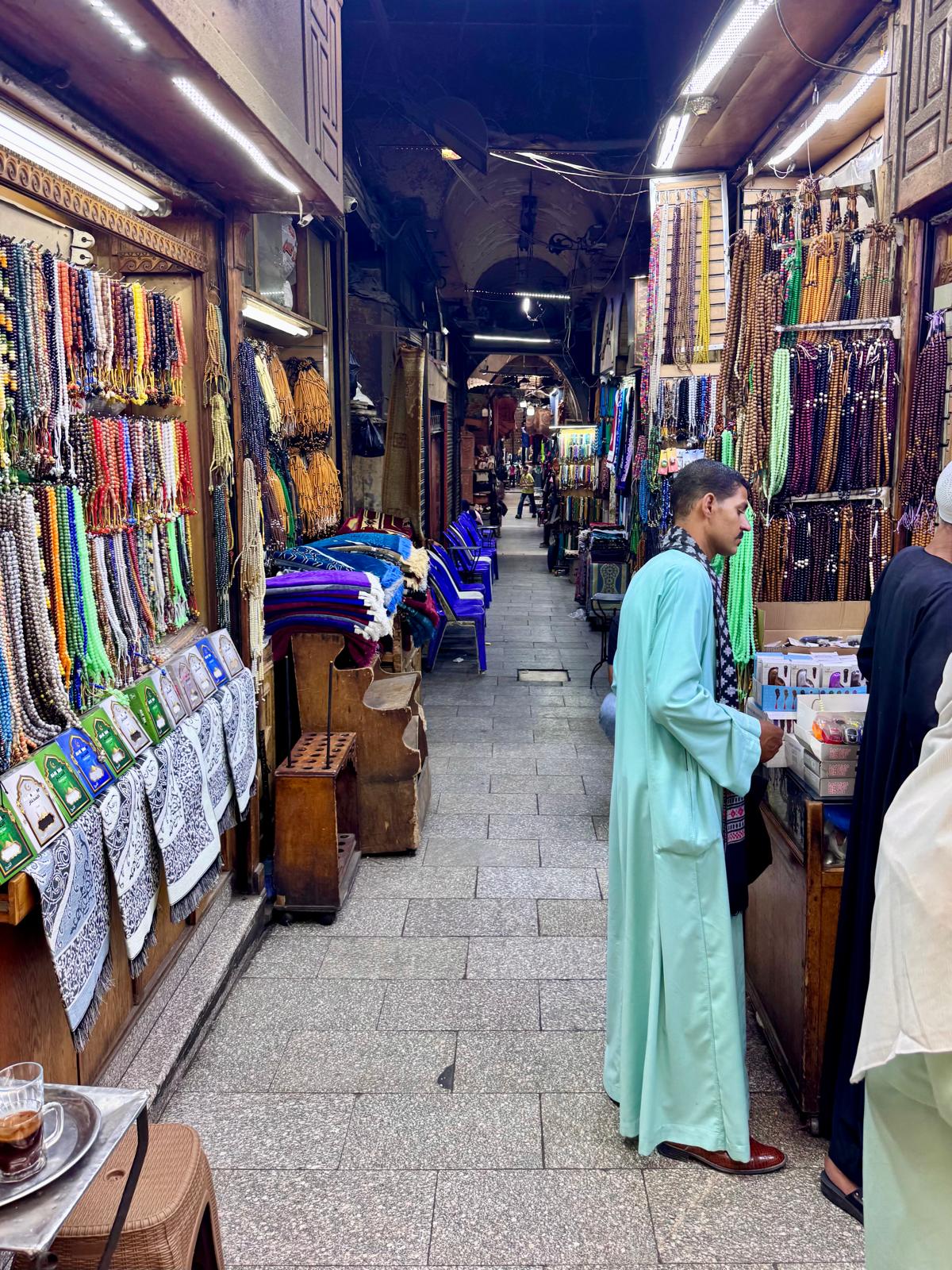
Traditional markets are often lively and colorful, with sellers displaying handmade products, spices, textiles, jewelry, artwork, and decorative items. In many markets, bargaining is part of the shopping experience, particularly when purchasing souvenirs and handicrafts.
For travelers interested in authentic experiences, visiting a local Egyptian market can be a memorable addition to a Cairo, Luxor, or Aswan itinerary.
Best Things to Buy in Egypt
1. Egyptian Cotton Products
Egyptian cotton is internationally recognized for its softness and quality. Travelers can find cotton shirts, scarves, towels, bed linens, and other textile products.
When purchasing Egyptian cotton, choose reputable shops and check the product labeling and quality carefully.
2. Spices and Egyptian Herbs
Egyptian markets are filled with the aromas of colorful spices and herbs. Depending on the market, you may find cumin, hibiscus, anise, mint, cinnamon, saffron-style spice blends, and other traditional ingredients.
Dried hibiscus, commonly known as karkade, is a popular Egyptian product and can make a lightweight souvenir.
3. Perfumes and Essential Oils
Perfume shops are popular with visitors, particularly in Cairo and Luxor. Egyptian perfume oils are often sold in decorative glass bottles and can be an attractive gift.
Some stores offer perfume blends inspired by famous fragrances, while others sell traditional floral and aromatic oils.
4. Handmade Papyrus
Papyrus is strongly associated with ancient Egyptian civilization. Authentic papyrus paintings depicting pharaohs, hieroglyphs, gods, and ancient Egyptian scenes can be popular souvenirs.
If you want to purchase papyrus artwork, visit a reputable workshop where you can learn how the material is produced and see artists creating traditional designs.
5. Egyptian Jewelry
Jewelry is another popular Egyptian souvenir. Markets and specialized stores sell silver pieces, gold jewelry, scarab designs, cartouches, ankhs, and other Egyptian-inspired symbols.
A personalized cartouche featuring your name in hieroglyphic-style writing can be a memorable gift.
6. Alabaster and Stone Crafts
Luxor is particularly well known for traditional alabaster workshops. Visitors can find handmade vases, statues, bowls, and decorative pieces inspired by ancient Egyptian designs.
A workshop visit can be especially interesting because travelers can see how local artisans cut, shape, and polish the stone.
7. Egyptian Spices, Tea and Coffee
Egyptian tea and coffee products are inexpensive and easy to pack. Local markets offer a wide range of herbs, teas, spices, and coffee blends.
They can be excellent gifts for friends and family because they provide a taste of everyday Egyptian life.
8. Traditional Egyptian Crafts
Depending on where you travel, you may find handmade baskets, textiles, woodwork, brass items, leather products, ceramics, and other traditional crafts.
Buying directly from artisans can also help support local craftsmanship and small businesses.
Best Places for Shopping in Egypt
Khan el-Khalili in Cairo
Khan el-Khalili is one of the most famous traditional markets in Cairo. Its narrow streets are filled with shops selling souvenirs, jewelry, lamps, spices, perfumes, textiles, handicrafts, and traditional Egyptian products.
It is an excellent place to combine shopping with sightseeing in historic Cairo.
Old Cairo
Old Cairo offers opportunities to explore traditional markets and shops while discovering some of the city's historic religious and architectural attractions.
A shopping experience here can easily be combined with a tour of Islamic and Coptic Cairo.
Luxor
Luxor is an excellent destination for travelers looking for traditional Egyptian handicrafts. Visitors can find alabaster products, souvenirs, spices, scarves, jewelry, and locally produced decorative items.
Shopping can also be combined with visits to the Valley of the Kings, Karnak Temple, Luxor Temple, and the West Bank.
Aswan
Aswan is particularly interesting for travelers who want to discover Nubian culture and traditional products. Local markets offer spices, colorful textiles, handmade crafts, jewelry, and souvenirs.
A visit to a Nubian village can add an authentic cultural dimension to your Egypt holiday.
Hurghada
Hurghada has a mixture of traditional souvenir shops, local markets, shopping centers, and stores catering to international visitors.
Popular purchases include beachwear, souvenirs, spices, perfumes, jewelry, and Egyptian handicrafts.
Alexandria
Alexandria combines Mediterranean influences with Egyptian traditions. Visitors can explore local shops and markets for textiles, food products, souvenirs, jewelry, and traditional goods.
Bargaining in Egyptian Markets
Bargaining is common in many traditional Egyptian markets, especially when buying souvenirs, handicrafts, clothing, and decorative products.
The best approach is to remain friendly and respectful. Ask for the price, consider whether it represents good value, and negotiate politely if bargaining is appropriate.
However, bargaining is generally not expected in supermarkets, established shopping malls, restaurants, and stores with fixed prices.
Shopping Tips for Travelers in Egypt
Before purchasing souvenirs in Egypt, keep these practical tips in mind:
- Compare prices at several shops before buying.
- Ask whether the price is fixed or negotiable.
- Check the quality before paying.
- Keep receipts for expensive purchases.
- Be careful when buying antiques or items described as ancient.
- Use reputable stores for valuable jewelry.
- Pack fragile souvenirs carefully.
- Check airline baggage restrictions for large purchases.
- Carry small Egyptian pound notes for local markets.
- Avoid feeling pressured to buy something you do not want.
What Should You Bring Home from Egypt?
If you want authentic Egyptian souvenirs, consider buying a combination of practical and cultural items. Egyptian cotton products are useful, spices and tea are easy to pack, while handmade crafts and papyrus artwork can provide lasting memories of your trip.
For something personal, a customized cartouche or Egyptian-inspired piece of jewelry can be a meaningful souvenir.
Travelers visiting Luxor may also consider handmade alabaster, while visitors to Aswan can explore Nubian crafts and products.
Shopping and Cultural Experiences
One of the best ways to make shopping more meaningful is to combine it with cultural sightseeing.
Instead of visiting a market only to purchase souvenirs, take time to learn about the history behind the products. A traditional bazaar, artisan workshop, spice market, or Nubian village can become part of your wider Egyptian travel experience.
Private tours can make this easier because a local guide can help you understand Egyptian traditions, explain cultural details, and organize shopping stops around your sightseeing schedule.
Final Thoughts: Shopping in Egypt
Shopping in Egypt offers much more than souvenirs. It is a journey through Egyptian culture, craftsmanship, traditions, flavors, and everyday life.
From the historic streets of Cairo to the artisan workshops of Luxor and the colorful markets of Aswan, every destination offers something different. Whether you are searching for Egyptian cotton, handmade crafts, spices, perfume oils, jewelry, papyrus, or unique gifts, Egypt provides countless opportunities to discover something special.
For the best experience, combine shopping with sightseeing and cultural activities. Explore local markets with a knowledgeable guide, visit reputable artisan workshops, and take time to discover the stories behind the products you purchase.
Planning your Egypt holiday? Add a traditional shopping experience to your Cairo, Luxor, Aswan, or Hurghada itinerary and discover another side of Egypt beyond its famous ancient monuments.

Comments
Leave a comment