The Forgotten Village of the Men Who Built the Pharaohs' Tombs
Discover Deir el-Medina, the remarkable ancient Egyptian village where skilled workers lived, raised families, and created the magnificent royal tombs of the Valley of the Kings.
Introduction: The Hidden World Behind the Pharaohs' Tombs
When travelers visit Luxor, they are often amazed by the magnificent temples, royal tombs, and colorful wall paintings that have survived for thousands of years. Yet behind these extraordinary monuments lies a fascinating story that many visitors overlook: the lives of the ordinary people who built and decorated the tombs of ancient Egypt's most powerful rulers.
On the western bank of the Nile, near the Valley of the Kings, lies Deir el-Medina, an ancient workers' settlement that offers a rare glimpse into everyday life during the New Kingdom period. Known for its skilled artisans, remarkable tombs, and unusually rich historical records, this small village reveals a side of ancient Egyptian civilization that goes far beyond the lives of the pharaohs.
If you are interested in hidden Egyptian history, archaeological discoveries, and authentic cultural experiences, Deir el-Medina is one of the most fascinating places to explore on a Luxor tour.
Where Is Deir el-Medina?
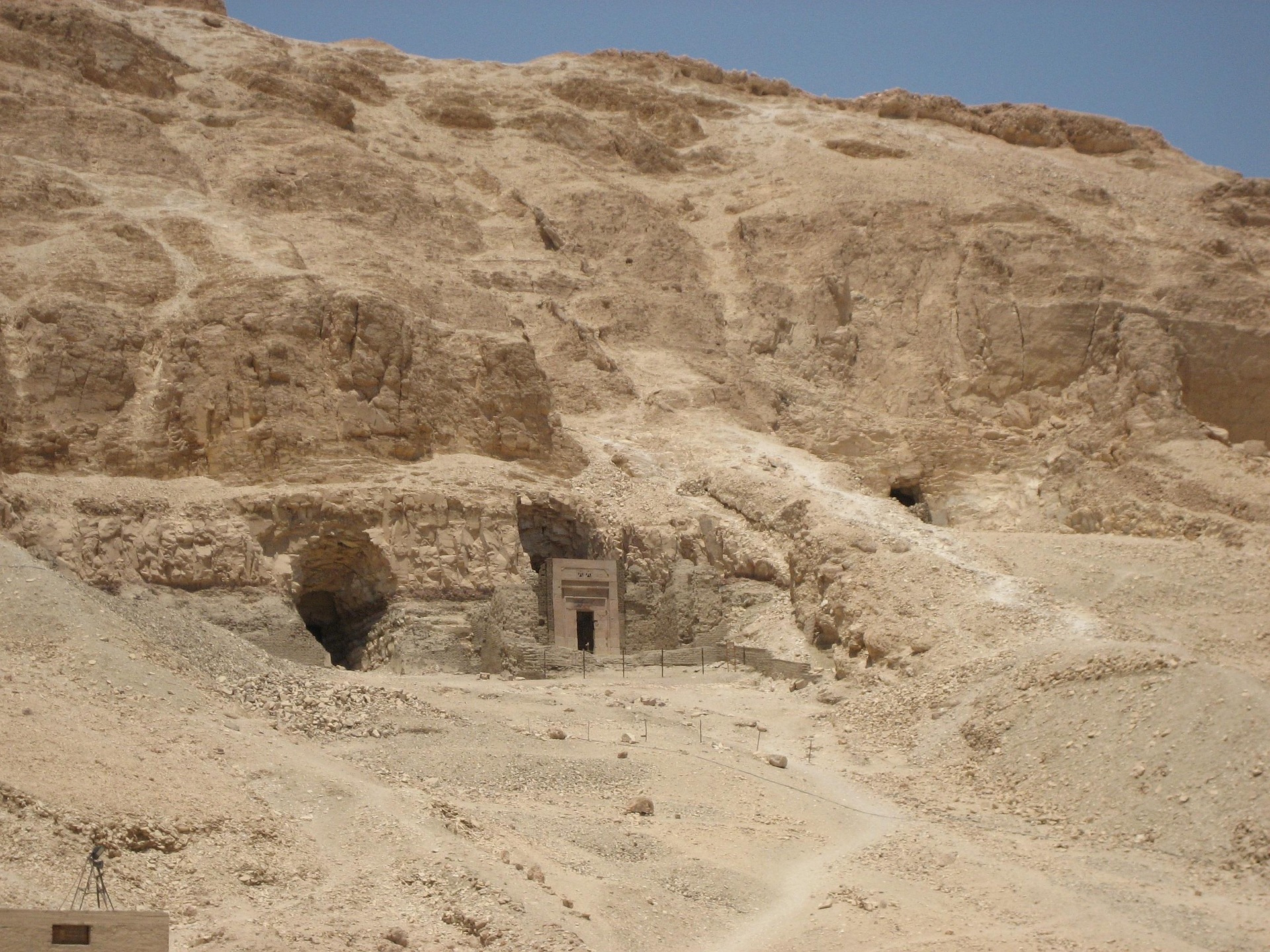
Deir el-Medina is located on the West Bank of Luxor, close to several famous archaeological sites, including the Valley of the Kings, the Valley of the Queens, and the Temple of Hatshepsut.
In ancient times, the settlement was known as Set Maat, commonly translated as the Place of Truth. It housed communities of specialized workers responsible for constructing and decorating royal tombs in the Theban necropolis.
Unlike the grand temples and royal monuments that dominate the landscape, Deir el-Medina consists of the remains of a relatively small residential village surrounded by desert hills.
Its location was carefully chosen to provide access to the royal burial grounds while allowing the workers to live together in a dedicated community. Today, its surviving houses, chapels, and nearby tombs help archaeologists reconstruct the daily routines of the people who served Egypt's kings.
Who Were the Men Who Built the Pharaohs' Tombs?
During Egypt's New Kingdom, approximately 1550–1070 BCE, generations of skilled craftsmen worked on the royal tombs of the Theban necropolis.
These workers included stonecutters, draughtsmen, painters, plasterers, and other specialists. Their work involved preparing rock-cut chambers, smoothing walls, creating decorative designs, and painting intricate religious scenes intended to protect and guide the deceased king in the afterlife.
The quality of their work required considerable technical skill. They followed established artistic traditions and carefully reproduced religious texts, symbols, and images associated with resurrection and eternal life.
The workers were organized into teams, traditionally described as the left side and the right side. They operated under officials and supervisors, with scribes recording administrative matters and distributing supplies.
Although these craftsmen worked for the royal court, they were not all anonymous laborers. Their names, families, disputes, and personal achievements are preserved in surviving inscriptions and written documents.
Deir el-Medina therefore offers something extraordinary: an opportunity to learn about the individuals behind the monuments that continue to attract visitors from across the world.
What Was Daily Life Like in Ancient Deir el-Medina?
One of the most remarkable aspects of Deir el-Medina is the amount of information archaeologists have recovered about its residents.
Unlike many ancient communities, where everyday life is difficult to reconstruct, this village has yielded thousands of written records on ostraca—fragments of limestone or pottery used for writing—and papyri.
These documents record work schedules, deliveries, personal letters, legal disagreements, family matters, and religious activities.
Homes and Family Life
The workers lived in compact houses constructed mainly from mudbrick. Although modest in comparison with royal monuments, these homes provided space for domestic activities, sleeping, cooking, and family life.
Families formed the heart of the settlement. Women managed many household responsibilities, while surviving documents also reveal their involvement in property transactions, inheritance matters, and legal disputes.
The community was connected through extended families, professional relationships, and shared religious practices.
Food, Water, and Supplies
The workers depended on organized deliveries of essential supplies. Records document distributions of grain and other provisions, illustrating the administrative system that supported the royal workforce.
Food, household goods, and access to water were important elements of everyday life in the settlement.
This evidence helps historians understand that constructing royal tombs required much more than skilled craftsmanship. It also depended on an organized network of administration, transportation, supplies, and household support.
Work, Rest, and Community Life
Working on royal tombs was demanding, and workers followed organized schedules. Records from the village describe absences for different reasons, including illness, family responsibilities, and religious observances.
These documents reveal that the workers' lives were not devoted entirely to construction. They also maintained social relationships, participated in religious activities, and dealt with the ordinary challenges of family and community life.
Deir el-Medina gives visitors a rare opportunity to see ancient Egyptians as real people rather than simply as builders of monumental architecture.
The Ancient Strike That Changed History
One of the most famous episodes in the history of Deir el-Medina occurred during the reign of Ramesses III, around the 12th century BCE.
Workers recorded complaints about delayed provisions, including essential supplies such as grain. Their situation eventually led to a series of work stoppages, widely recognized as among the earliest well-documented labor strikes in history.
The workers stopped working and made their grievances known to officials. Surviving records describe their demands for the provisions owed to them.
This episode is significant because it demonstrates that even in the highly centralized society of ancient Egypt, organized workers could collectively protest when their basic needs were not met.
It also reveals the importance of the village's written records. Without the documents preserved from Deir el-Medina, this remarkable story of workers demanding fair treatment might never have survived.
For modern visitors, the story offers a surprising connection between ancient and contemporary life: people thousands of years ago also faced workplace challenges, economic uncertainty, and the need to defend their interests.
The Tombs of Deir el-Medina: Small Monuments With Extraordinary Beauty
While the workers built the magnificent tombs of the pharaohs, many also created beautifully decorated tombs for themselves and their families.
These private tombs are among the most fascinating attractions in the area.
Unlike royal tombs, which often emphasize the king's divine status and journey through the afterlife, the private tombs of Deir el-Medina can include intimate scenes of family life, religious devotion, offerings, and hopes for eternal existence.
The paintings are particularly impressive for their vivid colors and carefully executed details.
The Tomb of Sennedjem
The tomb of Sennedjem is one of the best-known examples associated with the community. Sennedjem was a craftsman who lived during the New Kingdom, and his beautifully decorated tomb provides insight into the religious beliefs and artistic achievements of skilled workers.
Its painted scenes include imagery connected with the afterlife and the hope of enjoying an eternal existence in a blessed landscape.
The Tomb of Inherkhau
The tomb of Inherkhau, a foreman associated with the royal tomb workforce, is another important example of the artistic traditions of Deir el-Medina.
Its decorated chambers preserve religious imagery and scenes reflecting ancient Egyptian ideas about death, protection, and renewal.
These tombs demonstrate that the artistic achievements of ancient Egypt were not limited to kings and queens. Skilled workers also created remarkable monuments that reflected their own religious beliefs and aspirations.
Note: Access to individual tombs may vary depending on conservation work, opening arrangements, and current site regulations.
What Deir el-Medina Reveals About Ancient Egyptian Society
Deir el-Medina is especially important because it helps historians understand how ancient Egyptian society functioned beyond the royal court.
The village reveals several important aspects of life during the New Kingdom:
- Literacy and administration: Written records show how officials managed workers, supplies, and disputes.
- Family and property: Documents provide evidence of marriage, inheritance, ownership, and legal disagreements.
- Religious beliefs: Private tombs and local shrines reveal how religious traditions shaped everyday life.
- Labor organization: The community illustrates how specialized workers collaborated to create royal monuments.
- Artistic achievement: The quality of the tomb paintings demonstrates the expertise of ancient Egyptian craftsmen.
These discoveries make Deir el-Medina much more than an archaeological settlement. It is a historical record of a community whose members helped preserve the religious and artistic traditions of one of the world's most remarkable civilizations.
Why Visit Deir el-Medina on Your Luxor Holiday?
Many visitors to Luxor focus on the Valley of the Kings, Karnak Temple, Luxor Temple, and the Temple of Hatshepsut. These are essential attractions, but Deir el-Medina offers a different experience.
Here, you can explore the remains of the workers' village, learn about the people who created royal tombs, and discover private burial chambers decorated with remarkable scenes.
The site is particularly appealing to travelers who enjoy archaeology, ancient history, and places that reveal lesser-known stories.
A knowledgeable local guide can help explain the significance of the village layout, the organization of the workforce, the symbolism of the tomb paintings, and the connection between Deir el-Medina and the nearby royal burial grounds.
Because the village is close to other West Bank attractions, it can be included in a customized Luxor itinerary alongside the Valley of the Kings, the Valley of the Queens, Medinet Habu, or the Temple of Hatshepsut, depending on your interests, available time, and site-opening arrangements.
How to Visit Deir el-Medina From Luxor
Deir el-Medina is easily incorporated into a private sightseeing tour of Luxor's West Bank.
For the most rewarding experience, consider combining the village with one or two nearby archaeological sites rather than rushing through too many monuments in a single day.
A private tour allows you to adjust the pace, spend more time at places that interest you, and ask questions about the history and meaning of the monuments.
Before visiting, check the current ticket arrangements, tomb access, opening hours, and any photography restrictions. Conditions may change, and some tombs require separate tickets or may be temporarily unavailable.
If you have a particular interest in the workers' lives and their artistic achievements, let your guide know in advance so that the visit can focus on the details that make Deir el-Medina unique.
Discover the Hidden History of Luxor With a Local Guide
The story of Deir el-Medina reminds us that ancient Egypt was built not only by powerful pharaohs but also by skilled craftsmen, devoted families, administrators, and generations of ordinary people.
Their homes, written records, and beautifully decorated tombs allow us to hear echoes of their lives thousands of years later.
If you are planning a trip to Luxor and want to explore beyond the most famous monuments, Deir el-Medina deserves a place on your itinerary.
Book a private Luxor West Bank tour and discover the village of the royal tomb builders, explore the remarkable burial sites, and uncover the human stories behind ancient Egypt's greatest monuments.
With a personalized itinerary and expert historical explanations, you can experience a deeper and more meaningful side of Egypt.
---
Frequently Asked Questions About Deir el-Medina
1. What is Deir el-Medina famous for?
Deir el-Medina is famous for being the settlement of skilled workers who constructed and decorated royal tombs in the Valley of the Kings and other parts of the Theban necropolis during the New Kingdom.
2. Where is Deir el-Medina located?
It is on the West Bank of Luxor, near the Valley of the Kings, the Valley of the Queens, and other important archaeological sites.
3. How old is Deir el-Medina?
The settlement was established during the early New Kingdom, around the 16th century BCE, and was occupied for several centuries.
4. Did the workers who built the royal tombs live in Deir el-Medina?
Yes. The settlement housed generations of specialized workers, artisans, and their families who supported the construction and decoration of royal tombs.
5. What was the ancient Egyptian workers' strike?
During the reign of Ramesses III, workers protested delayed provisions and stopped working. Written records of these events provide important evidence of organized labor in ancient Egypt.
6. Can tourists visit the tombs at Deir el-Medina?
Yes, visitors can explore the archaeological settlement and, subject to current access arrangements, selected private tombs. The tombs available to visit may change.
7. How long should I spend at Deir el-Medina?
Allow approximately one to two hours for a focused visit, depending on which areas and tombs are open and how much time you want to spend learning about the site.
8. Can Deir el-Medina be combined with other Luxor attractions?
Yes. It can be combined with nearby West Bank sites such as Medinet Habu, the Valley of the Queens, or the Valley of the Kings, depending on your schedule and priorities.
9. Is Deir el-Medina worth visiting for first-time travelers to Luxor?
Yes, especially for travelers interested in archaeology, everyday ancient Egyptian life, and attractions beyond the most famous royal monuments.
10. Is a private guide useful at Deir el-Medina?
A knowledgeable guide can explain the settlement's history, the significance of the tomb paintings, and the surviving records that reveal how the workers lived. This context can make the visit much more rewarding.
Ready to explore the hidden stories of ancient Egypt? Contact us to arrange a personalized Luxor tour and discover Deir el-Medina alongside the monuments that made this ancient city famous.
Comments
Leave a comment