The Hidden World Beneath the Red Sea: Coral Reefs and Marine Life
Introduction: Discover the Extraordinary World Beneath the Red Sea
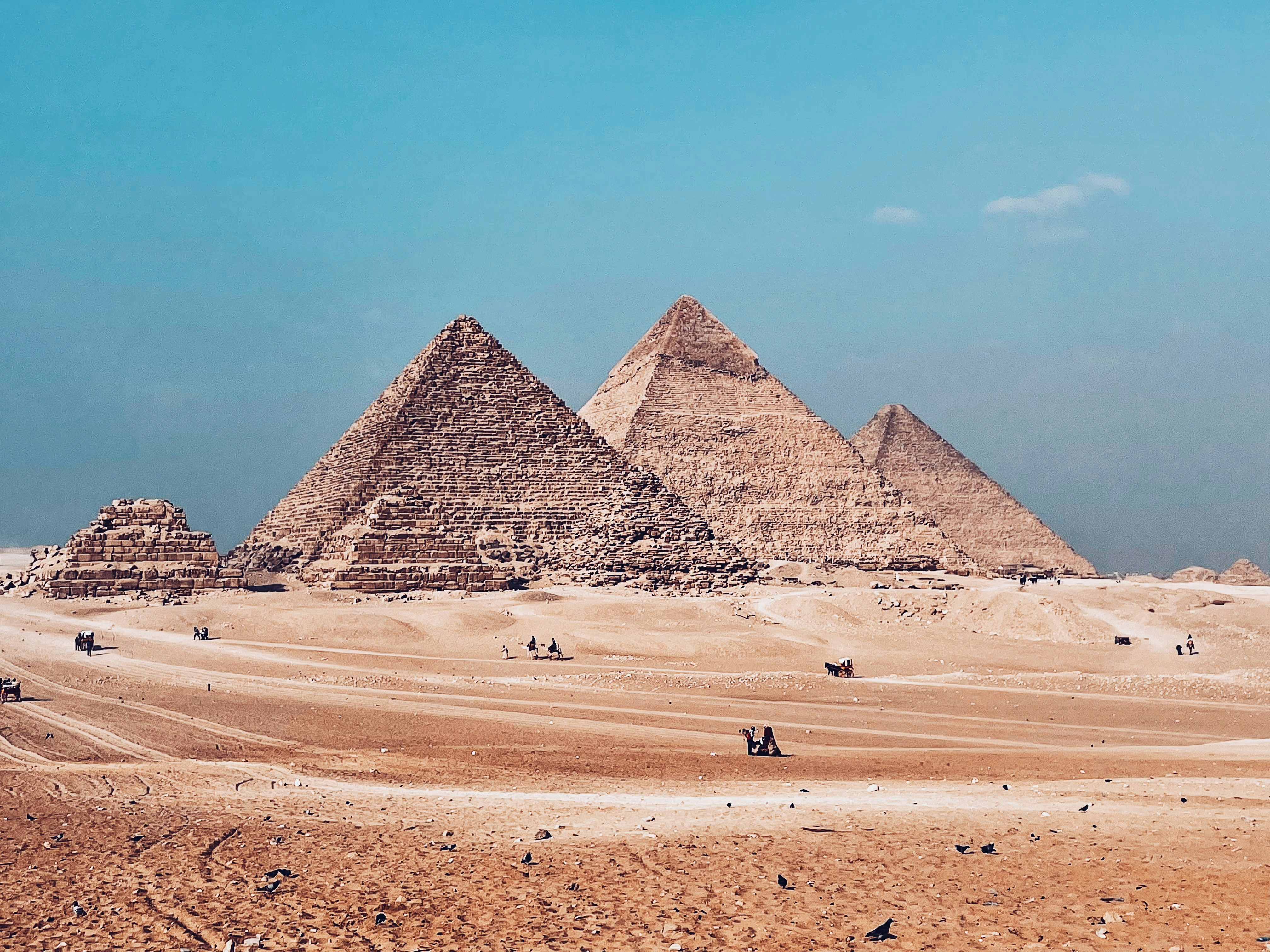
Egypt is famous for its ancient temples, magnificent pyramids, and the timeless beauty of the Nile. However, along the country's eastern coastline lies another world that is just as fascinating: the underwater kingdom of the Red Sea.
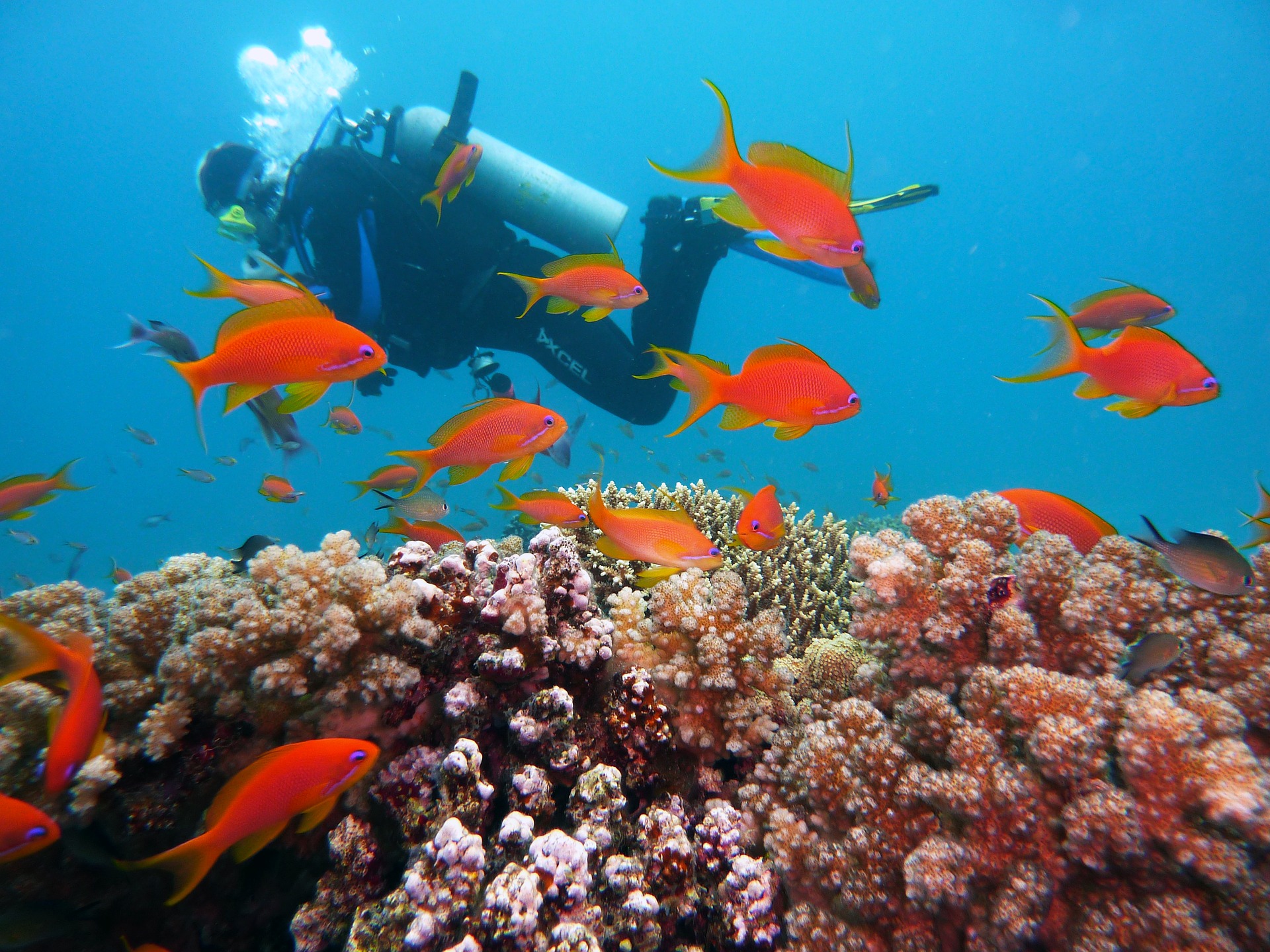
Beneath its clear blue waters, colorful coral reefs create extraordinary habitats filled with tropical fish, sea turtles, rays, and many other marine creatures. Sunlight filters through the water, illuminating coral formations in shades of orange, purple, yellow, and green. For travelers who explore the sea through snorkeling or scuba diving, every excursion can reveal something new.
The Red Sea coral reefs are among Egypt's most remarkable natural attractions. Stretching along the coast near destinations such as Hurghada, Marsa Alam, and Sharm El Sheikh, these underwater ecosystems attract visitors from around the world.
But the Red Sea is much more than a beautiful place for swimming. Its reefs support marine biodiversity, protect sections of the coastline, and provide important habitats for countless organisms. Understanding this hidden world makes a snorkeling trip or diving excursion more meaningful.
Whether you are planning your first snorkeling adventure or are an experienced diver, discovering the marine life of Egypt's Red Sea is an unforgettable way to experience the country's natural beauty.
1. What Makes the Red Sea Coral Reefs So Special?
Coral reefs are living ecosystems formed primarily by tiny animals called coral polyps. Over many generations, these organisms produce calcium carbonate structures that gradually create the complex formations known as coral reefs.
Although corals may resemble underwater plants or colorful rocks, they are animals. Many reef-building corals live in partnership with microscopic algae that help provide energy through photosynthesis. This relationship allows corals to thrive in clear, sunlit waters.
The Red Sea offers conditions that support extensive coral reef ecosystems, including warm water, suitable light levels, and a variety of coastal habitats. Its geographical setting and environmental history have contributed to a distinctive marine community.
One of the most fascinating features of the region is the diversity of reef shapes. Visitors may encounter shallow coral gardens, branching corals, massive rounded formations, and deeper reef walls that descend into darker water.
These structures create shelter, feeding grounds, and breeding habitats for marine animals. A single reef can support numerous species, each occupying a different ecological role.
For visitors, this means that the underwater scenery is constantly changing. Even a short snorkeling trip can reveal an impressive variety of colors, shapes, and animal behavior.
2. Meet the Colorful Fish of the Red Sea
One of the first things visitors notice while snorkeling in Egypt is the abundance of tropical fish. Their bright colors and unusual patterns make the reefs feel like a natural aquarium.
Butterflyfish
Butterflyfish are often recognized by their flattened bodies, delicate movements, and striking patterns. Many species move around coral formations in search of small invertebrates or other food sources.
Their bright markings make them particularly rewarding to observe while snorkeling.
Parrotfish
Parrotfish are important members of many coral reef communities. Their strong, beak-like mouths help them scrape algae and other material from reef surfaces. Some species also contribute to the production of fine sediment by processing carbonate material.
Watching a parrotfish feed can reveal how marine animals interact with and influence their habitats.
Clownfish
Clownfish are famous for their orange, white, and black markings. They live in close association with certain sea anemones, benefiting from the protection offered by their tentacles.
Although many people associate clownfish with tropical aquariums and animated films, observing these fish in their natural environment is a very different experience.
Angelfish
Angelfish are known for their elegant shapes and vivid colors. Depending on the species, they may feed on sponges, algae, and other small organisms.
Their distinctive appearance makes them a favorite among underwater photographers.
Lionfish
Lionfish have dramatic striped bodies and long, fan-like fins. Their beauty deserves admiration from a safe distance because their spines contain venom.
Divers and snorkelers should never attempt to touch or handle lionfish.
The Red Sea contains many additional fish species, from tiny reef-dwellers to larger predators. Each contributes to the complex food webs that keep the ecosystem functioning.
3. Coral: The Living Architecture of the Ocean
Corals are the foundation of many Red Sea reef ecosystems. Their structures create the physical environment in which numerous marine species live.
Different coral types provide different habitats. Branching corals offer spaces where small fish can hide, while large boulder-shaped corals create substantial surfaces for other organisms to colonize.
Soft corals add movement and texture to the underwater landscape, their flexible forms swaying with water currents.
Coral reefs are not static structures. They grow, compete for space, interact with other organisms, and respond to changes in environmental conditions. Some coral species grow relatively quickly under suitable conditions, while others develop slowly over long periods.
Despite their resilience in some circumstances, corals face significant threats. Rising sea temperatures can cause coral bleaching, a process in which stressed corals lose much of the symbiotic algae that provide their color and energy. Pollution, physical damage, sedimentation, and poorly managed coastal activities can also harm reef environments.
Protecting coral reefs requires responsible tourism, effective conservation, and wider efforts to address climate change.
4. Sea Turtles: Gentle Visitors of the Red Sea
Sea turtles are among the most memorable animals that divers and snorkelers may encounter in the Red Sea.
Green turtles and hawksbill turtles are found in the region. Green turtles often feed on seagrasses and algae as adults, while hawksbill turtles are closely associated with coral reef habitats and frequently feed on sponges.
In places such as Abu Dabbab near Marsa Alam, visitors sometimes encounter green sea turtles in shallow seagrass areas. Sightings are never guaranteed, however, because these are wild animals moving freely through their natural habitats.
Sea turtles face threats from plastic pollution, accidental capture in fishing gear, habitat degradation, and disturbance at nesting sites.
If you encounter a turtle while snorkeling, keep a respectful distance. Never chase it, touch its shell, block its path to the surface, or attempt to feed it. Allowing the animal to swim freely helps reduce stress and makes the encounter safer for everyone.
5. Dolphins: Intelligent Marine Mammals of the Red Sea
Dolphins are another reason why travelers are attracted to Egypt's Red Sea coast.
Several dolphin species inhabit or visit the region. Spinner dolphins are known for their energetic leaps and spinning movements, while bottlenose dolphins are widely recognized for their intelligence and social behavior.
Areas near Hurghada and Marsa Alam are associated with dolphin-watching excursions, and some offshore reef systems are known for recurring dolphin activity.
However, dolphin encounters depend on natural conditions and animal movements. A responsible tour operator should never promise a guaranteed sighting.
The best wildlife experiences allow dolphins to choose whether to approach or move away. Boats should avoid crowding animals, and swimmers should never chase or surround them.
Watching dolphins behaving naturally is often more rewarding than attempting to force a close encounter.
6. Where Can You Explore the Red Sea's Marine Life?
Egypt offers several destinations where travelers can discover coral reefs and underwater wildlife. The best choice depends on your experience, budget, travel dates, and preferred activities.
Hurghada: A Great Starting Point for Snorkeling
Hurghada is one of Egypt's most popular Red Sea resorts and a convenient base for boat trips to offshore reefs and islands.
Many excursions include boat transportation, snorkeling stops, equipment, and lunch, depending on the package. Beginners can often find trips with guided snorkeling and basic instruction.
The surrounding waters offer opportunities to observe colorful fish, coral formations, and other marine life. Sightings vary by location and conditions.
Hurghada is particularly suitable for travelers who want to combine beach holidays, snorkeling, island visits, and other activities without traveling far from their resort.
Marsa Alam: A Destination for Wildlife Encounters
Marsa Alam is well known for its reef environments and opportunities to observe marine animals.
Abu Dabbab is particularly associated with green turtle encounters and seagrass habitats. Other locations in the wider region offer coral reefs and opportunities for experienced divers.
The area can be attractive to travelers seeking a quieter coastal atmosphere, although conditions and facilities vary between resorts and reef sites.
Sharm El Sheikh: Famous Diving Landscapes
Located on the Sinai Peninsula, Sharm El Sheikh offers access to celebrated diving areas, including Ras Mohammed National Park and reefs in the Strait of Tiran.
Divers may encounter impressive coral formations, reef fish, and larger marine species. Some sites are suitable for experienced divers, while other locations offer options for beginners under appropriate supervision.
Visitors should choose excursions according to their swimming ability, certification, and the prevailing sea conditions.
Dahab: A Different Kind of Underwater Adventure
Dahab is popular with divers and travelers who appreciate a relaxed atmosphere and access to distinctive underwater landscapes.
The region includes shore-accessible dive sites and locations that require careful assessment of conditions and experience. The Blue Hole is particularly famous, but it is not a suitable site for inexperienced or unqualified divers to explore beyond their abilities.
Anyone considering diving there should use a reputable professional operator and follow appropriate training and safety requirements.
7. Snorkeling or Scuba Diving: Which Should You Choose?
Both activities offer wonderful ways to experience the Red Sea, but they suit different interests and abilities.
Snorkeling usually takes place near the surface using a mask, snorkel, and fins. It is often the easiest option for travelers who want to observe coral and fish without undertaking a scuba course. Some boat trips provide flotation equipment and guided assistance.
Scuba diving allows qualified divers to explore underwater environments at greater depths. It requires suitable equipment, training, and adherence to dive procedures. Beginners can also explore introductory diving experiences through qualified instructors when conditions and medical suitability allow.
Choose snorkeling if you prefer a simple, accessible introduction to marine life. Consider scuba diving if you want a more immersive experience and are prepared to follow the necessary training and safety requirements.
Neither activity requires touching coral or approaching wildlife closely. The best underwater observations often happen when you remain calm, move slowly, and allow animals to behave naturally.
8. How to Protect the Red Sea Coral Reefs During Your Visit
The beauty of the Red Sea depends partly on how visitors and tourism operators treat its marine environment.
Here are several simple ways to reduce your impact:
- Never touch coral. Even brief contact can damage delicate coral tissue.
- Avoid standing on reefs. Use designated entry and exit points and stay clear of shallow coral formations.
- Use suitable sunscreen. Choose products that comply with local guidance and avoid unnecessary chemical exposure to marine environments. No sunscreen replaces shade, protective clothing, and sensible sun precautions.
- Do not feed fish. Feeding wildlife can alter natural behavior and disrupt ecological relationships.
- Reduce plastic waste. Carry reusable water bottles where practical and dispose of rubbish responsibly.
- Respect marine animals. Do not chase, touch, ride, or surround turtles and dolphins.
- Choose responsible operators. Look for guides who explain reef protection, follow local rules, and prioritize passenger and wildlife safety.
Small choices can help protect the underwater environments that make Egypt's Red Sea coast so special.
9. When Is the Best Time to Explore the Red Sea?
The Red Sea can be explored throughout much of the year, but the experience varies with the season, weather, and location.
Spring and autumn are often attractive periods for visitors seeking warm weather without the most intense summer heat. Summer can offer excellent opportunities for marine activities, although temperatures may be high. Winter also provides opportunities for snorkeling and diving, but wind and water temperature may influence comfort and trip schedules.
Water visibility is not guaranteed and can change according to wind, waves, currents, and local conditions.
Before booking a boat trip, check the forecast and ask whether the excursion is suitable for your swimming ability. Follow the crew's instructions and use appropriate flotation equipment if needed.
If you are visiting Hurghada or Marsa Alam, a local operator can help you select a suitable reef or snorkeling location based on the day's conditions.
10. What Should You Bring on a Red Sea Snorkeling Trip?
Preparing properly can make your day on the water more comfortable.
Consider bringing:
- Swimwear and a towel.
- Reef-safe, locally appropriate sun protection.
- A hat and lightweight cover-up.
- Drinking water, following the operator's guidance.
- A waterproof bag for personal belongings.
- An underwater camera, if you have one.
- Prescription swimming goggles or a personal mask if you prefer a specific fit.
- Motion-sickness medication, if appropriate for you and taken according to its instructions.
Check whether your excursion includes masks, fins, flotation devices, lunch, and transfers before departure. If you are not a confident swimmer, inform the operator in advance and ask about supervised snorkeling and flotation support.
Conclusion: Discover Egypt Beyond Its Ancient Monuments
The Red Sea reveals a different side of Egypt, one filled with vibrant coral reefs, colorful fish, graceful sea turtles, and fascinating marine ecosystems.
From the snorkeling waters near Hurghada to the wildlife-rich areas around Marsa Alam and the celebrated diving sites near Sharm El Sheikh, the Egyptian coast offers memorable experiences for travelers with a wide range of interests.
Yet the greatest value of exploring this underwater world lies not only in its beauty but also in understanding how delicate marine ecosystems function. Coral reefs support extraordinary biodiversity and deserve careful protection.
By choosing responsible excursions, respecting wildlife, and avoiding damage to coral, visitors can help preserve these habitats for future generations.
If you are planning an Egyptian holiday, consider adding a Red Sea snorkeling adventure to your itinerary. After exploring the temples and tombs of ancient Egypt, discovering the colorful world beneath the sea offers another unforgettable chapter in your journey.
Ready to explore the Red Sea? Discover snorkeling excursions and private boat trips from Hurghada, and experience Egypt's marine life with a focus on comfort, safety, and responsible tourism.
Comments
Leave a comment