The Weighing of the Heart in Ancient Egypt
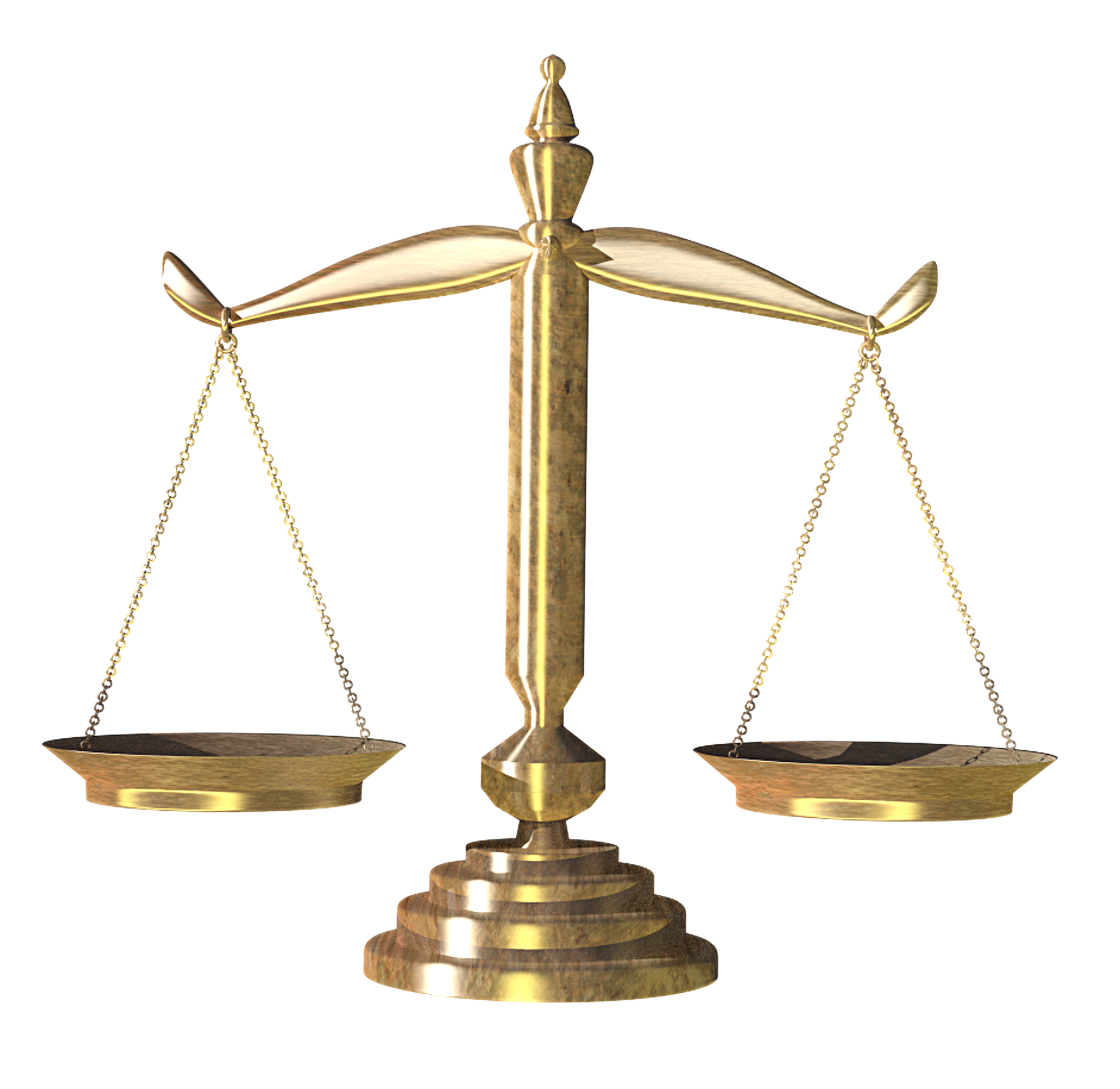
Discover the fascinating ancient Egyptian belief that every soul would face a divine judgment after death, where the heart was weighed against the feather of Ma'at to determine whether the deceased could enter the eternal afterlife.
Introduction: The Ancient Egyptian Secret of Life After Death
What happened to the soul after death? For thousands of years, this question fascinated the people of ancient Egypt. They believed that death was not the end of existence but the beginning of a journey into another world, where the deceased would face divine judgment before achieving eternal life.
One of the most fascinating beliefs in ancient Egyptian religion was the Weighing of the Heart ceremony, a symbolic test that determined whether a deceased person's life had been lived according to truth, justice, and moral balance.
According to ancient Egyptian religious texts, the heart of the deceased was placed on a scale and weighed against the feather of Ma'at, the goddess associated with truth, justice, harmony, and cosmic order. The god Anubis supervised the weighing, while Thoth recorded the result. Osiris, the ruler of the underworld, presided over the judgment.
If the heart passed the test, the deceased could continue toward a blessed afterlife. If it failed, the heart could be devoured by a fearsome creature known as Ammit, preventing the deceased from attaining the hoped-for eternal existence.
Today, visitors exploring the tombs of Luxor and the collections of Egyptian museums can discover remarkable images of this ceremony. Understanding the Weighing of the Heart offers a fascinating glimpse into ancient Egyptian ideas about morality, death, and the meaning of a well-lived life.
What Was the Weighing of the Heart in Ancient Egypt?
The Weighing of the Heart was a central scene in ancient Egyptian funerary beliefs about judgment after death. It is particularly well known from illustrated copies of the Book of the Dead, a collection of spells and texts intended to help the deceased navigate the afterlife.
The ceremony represented more than a simple measurement of physical weight. It symbolized whether a person's heart was in harmony with Ma'at, the principle of truth, justice, balance, and order that Egyptians believed sustained both human society and the universe.
The heart held special importance in Egyptian thought. It was associated with a person's character, memory, intentions, and moral identity. Rather than imagining judgment solely in terms of outward actions, Egyptian religious traditions emphasized the significance of the person represented by the heart.
The scene became one of the most recognizable images in ancient Egyptian funerary art. It was often illustrated with a balance, the deceased, several gods, and the creature Ammit waiting nearby.
These images helped communicate the hope that a person who had lived according to Ma'at could overcome death and join the blessed dead.
How Did the Judgment Ceremony Work?
Ancient Egyptian beliefs about the afterlife developed over many centuries, and funerary traditions varied. The familiar Weighing of the Heart scene is especially associated with New Kingdom and later illustrated versions of the Book of the Dead.
The ceremony can be understood through several important stages.
1. The Deceased Entered the Hall of Judgment
In funerary texts, the deceased encountered a divine tribunal often described as the Hall of the Two Truths or the Hall of Ma'at.
There, the individual faced a judgment associated with the moral and religious principles of ancient Egyptian society.
The deceased might recite declarations of innocence, commonly called the Negative Confession. These statements denied wrongdoing, including acts such as theft, murder, dishonesty, and injustice.
The declarations reflected the values associated with Ma'at, although the precise lists and wording varied between texts.
2. The Heart Was Placed on the Scales
The god Anubis, commonly depicted with the head of a jackal or a related canid, was associated with mummification, funerary protection, and the care of the dead.
In many illustrations, Anubis supervises the balance used to weigh the deceased's heart against the feather of Ma'at.
The feather represented truth, justice, and the proper order of the world. The scene expressed the idea that the deceased's moral condition had to be compatible with these principles.
Some funerary texts also included spells intended to prevent the heart from speaking against its owner. Heart scarabs, placed among a mummy's wrappings, were associated with these protective beliefs.
3. Thoth Recorded the Result
Thoth, the god associated with writing, knowledge, and wisdom, frequently appears in illustrations of the judgment scene.
He records the result of the weighing, ensuring that the outcome is preserved within the divine proceedings.
His presence emphasizes the importance of accurate recording and the authority of the divine judgment.
4. Osiris Presided Over the Judgment
Osiris was one of the most important gods associated with death, resurrection, and the afterlife.
Often depicted as a mummified ruler wearing a distinctive crown, Osiris presided over the divine tribunal in many versions of the scene.
The deceased's hope was to pass the judgment and gain access to an eternal existence among the blessed dead.
5. Ammit Awaited the Outcome
Near the scales, illustrations frequently show Ammit, a creature combining features associated with a crocodile, lion, and hippopotamus.
Her name is often translated as “Devourer” or “Eater of the Dead.”
If the heart failed the test, Ammit was believed to consume it. This fate was associated with the loss of the possibility of the blessed afterlife, sometimes described as a second death.
Ammit was not simply a monster designed to frighten people. She embodied the terrifying consequence of failing the divine judgment.
Why Was the Heart More Important Than the Brain?
One of the most surprising aspects of ancient Egyptian beliefs is the importance given to the heart.
During mummification, embalmers generally removed the brain, often through the nasal passage, although practices varied across periods. The heart, however, was usually retained inside the body because of its importance in Egyptian ideas about personal identity and the afterlife.
The heart was regarded as a center of thought, memory, emotion, and moral character. It was therefore essential to the judgment of the deceased.
This helps explain why heart scarabs were sometimes placed on mummies. These amulets were associated with spells intended to protect the heart during the afterlife judgment.
The contrast between the treatment of the heart and the brain reveals that ancient Egyptians understood the human body and mind through a different framework from modern medicine.
Their beliefs were shaped by religious traditions, observations of the body, and ideas about what made a person who they were.
Ma'at: The Feather That Represented Truth and Justice
To understand the Weighing of the Heart, it is essential to understand Ma'at.
Ma'at was both a goddess and a fundamental principle of ancient Egyptian civilization. She represented truth, justice, harmony, balance, and the proper functioning of the universe.
Egyptian kings were expected to maintain Ma'at through responsible rule, religious duties, and the preservation of social order. Ordinary people were also expected to act according to principles of honesty and fairness.
The feather associated with Ma'at became a powerful symbol in the judgment scene.
The heart did not need to be understood as a literal object whose physical weight was scientifically measured against a feather. Rather, the scale represented the moral and cosmic balance of the deceased.
This belief suggests that ancient Egyptian ideas about the afterlife were closely connected with the values required for a stable society.
The judgment after death reflected the same principles that were supposed to guide life on earth.
What Happened If Someone Failed the Judgment?
The prospect of failing the judgment was one of the most frightening elements of ancient Egyptian funerary religion.
If the heart was found unworthy, Ammit could devour it, preventing the deceased from achieving the desired blessed afterlife.
This fate differed from the idea of eternal punishment in some other religious traditions. Egyptian funerary beliefs instead emphasized the loss of continued existence and the failure to achieve eternal renewal.
For a civilization that placed enormous importance on preserving the body, maintaining the memory of the deceased, and preparing for life after death, this outcome represented a profound spiritual disaster.
However, ancient Egyptian beliefs changed over time, and not every period or funerary text presented the afterlife in exactly the same way.
The Weighing of the Heart is best understood as part of a rich and evolving religious tradition rather than a single uniform doctrine followed identically by every Egyptian for thousands of years.
The Book of the Dead: Ancient Egypt's Guide to the Afterlife
The Book of the Dead is one of the most important sources for understanding the Weighing of the Heart.
Despite its modern name, it was not one single book with a fixed text. It was a collection of funerary spells and illustrations that could be selected and arranged differently for individual owners.
These texts were intended to help the deceased overcome dangers, navigate the afterlife, and achieve a successful transformation into the blessed dead.
The famous judgment scene often appears in illustrated papyri. One celebrated example is the Papyrus of Ani, created during the New Kingdom and now held by the British Museum.
Its illustrations show the heart being weighed, Anubis attending the scales, Thoth recording the result, and Osiris presiding over the proceedings.
Such images provide valuable evidence of how ancient Egyptians imagined the journey after death.
They also demonstrate the extraordinary artistic skill of Egyptian scribes and painters, who combined religious symbolism with carefully organized scenes.
Where Can You See Ancient Egyptian Afterlife Beliefs in Egypt?
Travelers interested in the Weighing of the Heart can explore the places and collections that preserve the wider religious traditions of ancient Egypt.
The Valley of the Kings, Luxor
The Valley of the Kings contains royal tombs decorated with religious texts and scenes associated with the sun's journey, the underworld, and the resurrection of the deceased king.
Although not every tomb contains the same imagery, the valley provides an extraordinary introduction to the religious ideas that shaped royal burial practices.
A guided visit can help explain the difference between royal funerary books, tomb decoration, and the illustrated judgment scenes found in other funerary documents.
The Valley of the Queens, Luxor
The Valley of the Queens contains the tombs of royal women and other members of the royal family.
Its decorated burial chambers reveal how Egyptian beliefs about protection, divine assistance, and the afterlife extended beyond the pharaohs themselves.
The tombs offer another perspective on the artistic and religious traditions of the Theban necropolis.
The Egyptian Museum and the Grand Egyptian Museum, Cairo
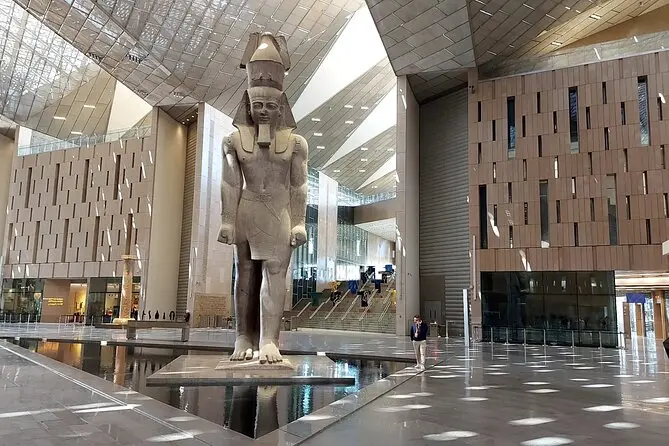
Museum collections provide opportunities to explore mummies, funerary objects, amulets, coffins, and other artifacts associated with ancient Egyptian beliefs about death.
Displays and available collections vary, so travelers should check current exhibitions if they want to see a particular object or funerary text.
A museum visit can complement a trip to Luxor by helping visitors understand the objects and religious ideas connected with the tombs.
What the Weighing of the Heart Teaches Us About Ancient Egyptian Civilization
The Weighing of the Heart reveals that ancient Egyptian ideas about death were deeply connected with moral behavior and social order.
Its symbolism suggests several important themes:
- Truth mattered: The deceased was expected to be in harmony with Ma'at.
- Actions had consequences: The judgment reflected beliefs about a person's conduct during life.
- The heart represented identity: Memory, character, and moral responsibility were associated with the heart.
- Religion and society were connected: The principles governing the afterlife also shaped expectations about justice and order in everyday life.
- Eternal life required preparation: Tombs, funerary texts, mummification, and protective amulets formed part of a complex system of beliefs about overcoming death.
These ideas help explain why ancient Egyptians invested so much effort in funerary architecture, religious art, and burial preparations.
Their monuments were not simply memorials to the dead. They were part of a worldview in which life, death, justice, and cosmic order were closely connected.
Conclusion: A Judgment That Reflected the Meaning of Life
The Weighing of the Heart remains one of the most fascinating concepts in ancient Egyptian religion. Through the image of a heart balanced against the feather of Ma'at, the Egyptians expressed their belief that truth, justice, and moral balance mattered beyond the end of earthly life.
Anubis, Thoth, Osiris, and Ammit each played a role in this powerful vision of judgment, while funerary texts such as the Book of the Dead preserved the imagery for future generations.
Today, these beliefs can still be explored through the decorated tombs of Luxor, the collections of Egyptian museums, and the monuments that reveal the spiritual world of the pharaohs.
Discover the spiritual side of ancient Egypt with a private guided tour of Luxor. Explore the Valley of the Kings, uncover the stories behind the tomb paintings, and learn how ancient Egyptians imagined the journey from death to eternal life.
A visit with a knowledgeable local guide can transform these ancient images into a deeper understanding of the civilization that created them.
Frequently Asked Questions
1. What was the Weighing of the Heart in ancient Egypt?
It was a funerary judgment in which the deceased's heart was weighed against the feather of Ma'at, symbolizing truth and justice. Passing the judgment meant the deceased could continue toward the blessed afterlife.
2. Which Egyptian god weighed the heart?
Anubis commonly supervised the weighing of the heart. Thoth recorded the result, while Osiris presided over the judgment in many depictions.
3. What was the feather of Ma'at?
The feather symbolized truth, justice, harmony, and cosmic order. It represented the moral principles against which the deceased's heart was judged.
4. Who was Ammit in ancient Egyptian mythology?
Ammit was a fearsome creature associated with the punishment of an unworthy heart. In the judgment scene, she awaited the result and could devour the heart if the deceased failed.
5. Why did ancient Egyptians preserve the heart during mummification?
The heart was associated with thought, memory, character, and personal identity. Its importance in the afterlife helps explain why it was generally retained in the body and why heart scarabs were sometimes included in burials.
6. What is the Book of the Dead?
The Book of the Dead is the modern name for a collection of ancient Egyptian funerary spells and illustrations designed to assist the deceased in the afterlife. It was not a single fixed book.
7. Where can I see ancient Egyptian tombs in Luxor?
The Valley of the Kings, the Valley of the Queens, and other archaeological sites on Luxor's West Bank contain important examples of ancient Egyptian funerary art and beliefs.
8. Can I learn about the Weighing of the Heart on a guided tour?
Yes. A guided visit to Luxor's royal tombs can introduce the religious beliefs, funerary texts, and symbolism associated with the afterlife. Museum visits in Cairo can provide additional context through funerary objects and illustrated texts.
9. Did every ancient Egyptian believe in exactly the same afterlife judgment?
No. Egyptian religious beliefs evolved over many centuries, and funerary practices varied by period, social status, and individual circumstances. The familiar Weighing of the Heart scene is especially well documented in illustrated funerary texts.
10. What is the best tour for travelers interested in ancient Egyptian beliefs about death?
A private Luxor West Bank tour that includes the Valley of the Kings is an excellent starting point. Travelers with more time can explore additional tombs and temples or visit Egyptian museum collections in Cairo.
Ready to uncover the mysteries of the pharaohs? Arrange a private Luxor tour and explore the tombs, symbols, and beliefs that reveal how ancient Egyptians imagined eternal life.
Comments
Leave a comment