Valley of the Queens & Nefertari's Tomb Guide
The Valley of the Queens is one of the most fascinating archaeological sites on Luxor’s West Bank. Located near the famous Valley of the Kings, this ancient necropolis contains tombs associated with queens, princes, and other members of Egypt’s royal families.
Among its many tombs, the Tomb of Queen Nefertari is the most famous. Its beautifully preserved wall paintings, vibrant colors, and detailed religious scenes make it one of the most remarkable decorated tombs in ancient Egypt.
For travelers exploring Luxor, visiting the Valley of the Queens provides a different perspective on ancient Egyptian royal burial traditions. While the Valley of the Kings focuses largely on royal pharaohs, the Valley of the Queens reveals more about royal women and members of the royal household.
Where Is the Valley of the Queens?
The Valley of the Queens is located on the West Bank of Luxor, in the ancient Theban necropolis.
It is relatively close to several major attractions, making it practical to combine with other West Bank sites such as:
- Valley of the Kings
- Hatshepsut Temple
- Medinet Habu
- Deir el-Medina
- Colossi of Memnon
A private Luxor West Bank tour can therefore include the Valley of the Queens as part of a full-day archaeological itinerary.
Why Is the Valley of the Queens Important?
The ancient Egyptians called the area Ta-Set-Neferu, commonly translated as the “Place of Beauty.”
The necropolis contains numerous tombs dating mainly from the New Kingdom. Although it is known as the Valley of the Queens, the people buried here were not limited to queens. Princes and other members of the royal family were also buried in the area.
The tombs provide valuable evidence about ancient Egyptian beliefs concerning death, the afterlife, religious rituals, and the journey of the deceased into the next world.
Nefertari's Tomb
The highlight of the Valley of the Queens is the Tomb of Queen Nefertari, the principal wife of Pharaoh Ramesses II.
Nefertari was an important royal figure during the 19th Dynasty. Her tomb is particularly famous for the quality of its painted decoration.
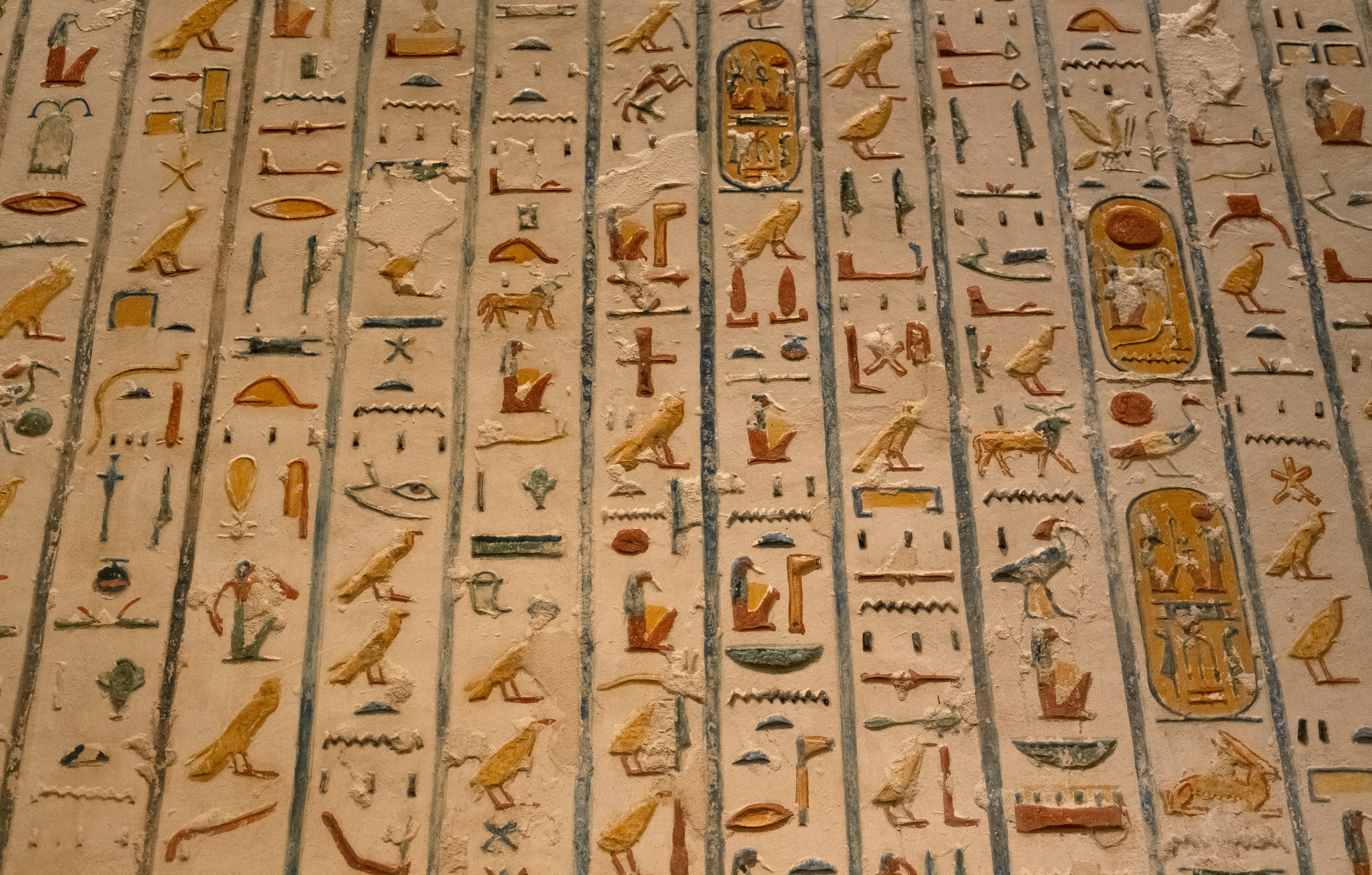
Inside, visitors can see scenes depicting Nefertari interacting with Egyptian deities and preparing for her journey into the afterlife. The walls contain religious texts, symbolic imagery, and beautifully painted figures.
The colors and artistic detail are among the main reasons this tomb is considered one of the exceptional decorated tombs of ancient Egypt.
What Makes Nefertari's Tomb Special?
Several features distinguish Nefertari's tomb from many other ancient Egyptian tombs.
Exceptional Wall Paintings
The tomb contains richly decorated walls featuring gods, goddesses, symbols, and religious scenes.
The paintings provide an opportunity to see ancient Egyptian artistic traditions in remarkable detail.
Nefertari and the Gods
Many scenes show Queen Nefertari in the presence of Egyptian deities.
These images were not simply decorative. They were connected with religious beliefs and the queen's journey through the afterlife.
Hieroglyphic Inscriptions
The tomb also contains hieroglyphic texts that form part of its religious decoration.
A knowledgeable guide can help explain the meaning of the symbols and the relationship between the written texts and the painted scenes.
Who Was Queen Nefertari?
Queen Nefertari was one of the principal wives of Ramesses II, one of the most famous pharaohs of ancient Egypt.
She played an important role in the royal household and appears in several monuments connected with Ramesses II.
Her tomb demonstrates the high status she held and the importance of royal burial traditions during the New Kingdom.
Other Tombs in the Valley of the Queens
Although Nefertari's tomb is the most famous, the Valley of the Queens contains other important tombs.
One notable example is the tomb of Prince Amunherkhepshef, a son of Ramesses III. Other tombs belonged to members of the royal family and provide additional evidence about burial customs during the New Kingdom.
The availability of individual tombs can change, so visitors should check current ticketing and access arrangements before traveling.
Valley of the Queens vs Valley of the Kings
The two archaeological sites are located relatively close to each other, but they served different purposes.
Valley of the Queens| Valley of the Kings
Royal women and princes| Mainly pharaohs and kings
Famous for Nefertari's tomb| Famous for Tutankhamun and other royal tombs
Smaller necropolis| Larger royal necropolis
Highly decorated tombs| Numerous decorated royal tombs
Located on Luxor West Bank| Located on Luxor West Bank
Both sites are valuable additions to a Luxor itinerary, particularly for travelers interested in ancient Egyptian burial traditions.
Can You Visit Nefertari's Tomb?
Access to Nefertari's tomb is subject to current regulations and ticket availability. Because access arrangements and ticket prices can change, it is advisable to check the latest official information before your visit.
If the tomb is open to visitors, it is worth considering for travelers particularly interested in ancient Egyptian art, royal history, and funerary beliefs.
How Long Do You Need at the Valley of the Queens?
A visit can take approximately one to two hours, depending on which tombs are open and how much time you spend examining the paintings and inscriptions.
If you include Nefertari's Tomb and several additional tombs, allow extra time for a more relaxed visit.
The Valley of the Queens can easily be combined with other West Bank attractions during a full-day tour.
Best Time to Visit the Valley of the Queens
The cooler months are generally comfortable for exploring Luxor's archaeological sites.
During warmer periods, an early start is recommended. Much of the West Bank sightseeing involves walking outdoors, and shade can be limited.
Bring:
- Comfortable walking shoes
- Drinking water
- Sunglasses
- Sun protection
- A hat
- A camera, where photography is permitted
Always follow the site's current photography and visitor regulations.
How to Include the Valley of the Queens in a Luxor Tour
For travelers staying in Luxor, the Valley of the Queens can be combined with several nearby attractions.
A comprehensive West Bank itinerary could include:
Morning
- Valley of the Kings
- Hatshepsut Temple
Midday
- Lunch
- Colossi of Memnon
Afternoon
- Valley of the Queens
- Medinet Habu or Deir el-Medina
The exact order can be adjusted according to opening times, weather, ticket availability, and personal interests.
Is Nefertari's Tomb Worth Visiting?
For visitors interested in ancient Egyptian art and royal history, Nefertari's Tomb offers an opportunity to see some of the finest surviving tomb decoration associated with an Egyptian queen.
Its painted scenes are different from the monumental architecture found at Karnak and Luxor temples, providing another perspective on ancient Egyptian civilization.
If your itinerary allows enough time and the tomb is accessible, it can be a memorable addition to your Luxor West Bank experience.
Travel Tips for Visiting the Valley of the Queens
To make your visit easier:
1. Check access before your visit. Individual tomb availability can change.
2. Start early. This can help you avoid the strongest daytime heat.
3. Wear suitable shoes. The site involves walking on uneven surfaces.
4. Carry water. Luxor's climate can be hot, particularly during summer.
5. Consider a private guide. A guide can explain the symbolism, hieroglyphs, and historical background.
6. Respect photography rules. Regulations can differ between tombs.
7. Combine nearby attractions. This makes better use of your time on Luxor's West Bank.
Valley of the Queens and Nefertari's Tomb FAQs
Where is the Valley of the Queens?
The Valley of the Queens is located on the West Bank of the Nile in Luxor, near other major archaeological attractions.
Who was buried in the Valley of the Queens?
The necropolis contains tombs associated with queens, princes, and other members of the royal family, particularly from the New Kingdom.
Who was Nefertari?
Nefertari was one of the principal wives of Ramesses II and an important queen of Egypt's 19th Dynasty.
Why is Nefertari's tomb famous?
It is particularly famous for its detailed and colorful wall paintings, religious scenes, and inscriptions.
Can I visit Nefertari's Tomb?
Access depends on current site regulations and ticket arrangements. Check the latest information before your visit.
Can I visit the Valley of the Queens and Valley of the Kings on the same day?
Yes. Both sites can be included in a full-day Luxor West Bank itinerary.
How long should I spend at the Valley of the Queens?
Around one to two hours is a useful starting point, although the time depends on which tombs you visit.
Plan Your Luxor West Bank Experience
The Valley of the Queens is an excellent addition to a Luxor itinerary for travelers who want to explore beyond the most famous royal tombs.
Combining the Valley of the Queens, Nefertari's Tomb, Valley of the Kings, Hatshepsut Temple, Medinet Habu, and Deir el-Medina creates a deeper experience of the ancient Theban necropolis.
A private Luxor West Bank tour also allows you to organize the itinerary around your interests, available time, and the archaeological sites you most want to explore.
Comments
Leave a comment