What Did Ancient Egyptians Really Eat? From Bread to Banquets

Introduction: A Taste of Life in Ancient Egypt
When we think about ancient Egypt, we often imagine the Great Pyramids of Giza, magnificent temples, golden treasures, and powerful pharaohs. But have you ever wondered what people actually ate thousands of years ago? What was served at a farmer's home, what did workers eat while building monumental structures, and what delicious dishes appeared at the tables of wealthy nobles and kings?
The answer may surprise you. Ancient Egyptian cuisine was built around familiar ingredients such as bread, grains, vegetables, fish, fruit, and beer. Wealthier households could enjoy more meat, poultry, honey-sweetened treats, and wine. Archaeologists have reconstructed much of this ancient diet from tomb paintings, food offerings, preserved plant remains, pottery, and written records.
Food was much more than a way to satisfy hunger. It supported workers, shaped religious festivals, reflected social status, and played an important role in beliefs about the afterlife. Let's travel back thousands of years and discover what ancient Egyptians really ate, from simple everyday meals to extravagant banquets.
1. Bread: The Heart of the Ancient Egyptian Diet
Bread was one of the most important foods in ancient Egypt. Wheat, particularly emmer wheat, and barley were cultivated in the fertile lands beside the Nile. These grains were ground into flour and mixed with water to make dough.
Ancient Egyptian bakers produced loaves in different shapes and sizes. Some resembled flatbreads, while others were shaped into cones or other forms. Bread could be eaten alone or alongside vegetables, fish, and meat.
Making bread was hard work. Grain had to be harvested, separated from its husks, ground, mixed, shaped, and baked. Traditional grinding methods could leave small particles of grit in the flour, which may have contributed to dental wear among ancient Egyptians.
Bread was also important economically. Grain rations were used to compensate some workers and officials, making food production essential to the functioning of Egyptian society.
Interestingly, bread was not merely a food for the living. Loaves were frequently included in tomb offerings because Egyptians believed that providing food for the deceased helped sustain them in the afterlife.
2. Ancient Egyptian Beer: More Than a Drink
Beer was another staple of everyday life. Unlike many modern beers, ancient Egyptian beer was often thick, cloudy, and rich in grain-based nutrients.
It was produced through a fermentation process involving grains, and brewing was closely connected to bread-making. The exact methods varied, but archaeological evidence and tomb models reveal how important these activities were to Egyptian households and larger institutions.
Beer was consumed by ordinary people as well as the wealthy. It provided nourishment and was an important part of workers' provisions. Beer and bread were also frequently mentioned together in religious offerings.
Although beer was widely consumed, wine was generally more associated with wealthier households, elite gatherings, and ceremonial occasions.
The importance of beer reminds us that ancient Egyptian food culture was not simply about elaborate meals. It depended on practical foods that helped sustain an entire civilization.
3. Vegetables, Beans, and Everyday Meals
Ancient Egyptian meals included a variety of vegetables and legumes. Onions, garlic, lettuce, lentils, peas, and beans were among the foods associated with Egyptian agriculture and everyday diets.
Onions and garlic were particularly useful because they added strong flavors to otherwise simple meals. Legumes supplied valuable nutrients and could be prepared in different ways.
Vegetables might be eaten raw, cooked, or combined with other ingredients. Some meals probably included bread accompanied by onions, beans, or other locally available produce.
The Nile's annual flood historically replenished agricultural land with fertile sediment, helping farmers grow the crops that sustained towns, villages, and cities.
The diet depended on the season, region, household resources, and historical period. Not every Egyptian ate the same foods every day, and the available evidence does not allow us to reconstruct every meal precisely.
4. Fish from the Nile and the Richness of River Life
The Nile was a vital source of food. Fish provided protein for many communities, especially those living near the river and its waterways.
Ancient Egyptians caught different types of freshwater fish using nets, hooks, and other fishing techniques. Fish could be eaten fresh, cooked, dried, or salted for preservation.
Fishing also appears in ancient Egyptian tomb paintings, offering a glimpse into the relationship between people, the river, and the surrounding environment.
The Nile supplied more than fish. Its waters supported agriculture, transportation, trade, and the movement of goods. Without the river and its fertile valley, the food system of ancient Egypt would have looked very different.
For visitors exploring Egypt today, the importance of the Nile offers another way to understand the civilization: the river was not merely a beautiful backdrop to temples and monuments. It was a source of life.
5. Meat, Ducks, Geese, and Other Birds
Meat was part of ancient Egyptian cuisine, although access to it varied according to wealth and circumstances. Cattle, sheep, goats, and pigs were known in ancient Egypt, while ducks, geese, pigeons, and quails provided additional sources of food.
Beef and other meats could be boiled, roasted, or prepared using different cooking techniques. Birds might be grilled or cooked for household meals and special occasions.
For poorer households, meat was generally less accessible than grain and vegetables. Wealthier Egyptians, however, could enjoy more substantial portions of meat and poultry.
Tomb paintings and food offerings sometimes depict cuts of meat and birds prepared for consumption or intended for the deceased. These scenes provide valuable evidence about ancient Egyptian dining customs.
It is important to remember that the diet changed across thousands of years. Foods available in one period or region were not necessarily equally common everywhere else.
6. Fruits, Honey, and Ancient Egyptian Sweets
Ancient Egyptians enjoyed a variety of fruits, including dates, figs, grapes, melons, and other locally available produce.
Dates and figs were particularly useful because they provided natural sweetness. Grapes could be eaten fresh or used to produce wine, while fruits could also be dried or incorporated into other preparations.
Honey was a prized sweetener. Before modern refined sugar became widely available, honey provided a natural way to sweeten certain foods.
Ancient Egyptian bakers prepared different types of cakes and baked goods. Some recipes or reconstructions suggest that fruit, flour, honey, and other ingredients could be combined to create sweet treats.
Archaeologists have even identified evidence associated with cakes made from tiger nuts, a plant whose edible underground tubers were used in ancient Egyptian food preparation.
Imagine a festive table filled with fresh fruit, sweet cakes, bread, and drinks. Although it would not look exactly like a modern dessert buffet, it demonstrates that ancient Egyptian food was far more varied than bread alone.
7. What Did Pharaohs Eat? Inside Ancient Egyptian Banquets
Royal and elite dining could be considerably more luxurious than the everyday meals of ordinary people.
Wealthy households had better access to meat, poultry, wine, honey, and a broader selection of foods. Large gatherings and celebrations offered opportunities to serve substantial quantities of food and drink.
A reconstructed elite feast might include:
- Freshly baked bread made from wheat or barley.
- Roasted or boiled beef and other meats.
- Ducks, geese, pigeons, and quails.
- Fish prepared fresh or preserved.
- Lentils, beans, and vegetables.
- Dates, figs, grapes, and other fruits.
- Honey-sweetened cakes and baked goods.
- Beer and, where available, wine.
This is an illustrative selection rather than a single documented menu eaten by every pharaoh. Archaeological finds and tomb scenes show that elite food offerings could be extensive, but menus varied by period, occasion, and household.
Banquets could also have social and religious significance. Food, music, entertainment, and drink helped bring people together during celebrations and important gatherings.
Food offerings were equally meaningful in funerary traditions. Egyptians placed provisions in tombs or represented them in tomb decorations because they believed that the deceased would need sustenance in the afterlife.
8. How Did Ancient Egyptians Cook Their Food?
Ancient Egyptian cooking relied on practical tools, household knowledge, and ingredients available in the surrounding environment.
People used pottery vessels, ovens, hearths, and other implements to prepare meals. Grain was ground using stone tools, while food could be boiled, baked, roasted, or grilled.
Preservation was also important. Drying and salting helped extend the usable life of certain foods, especially fish and meat.
Bread production and beer brewing required considerable skill and labor. Larger households, temples, and institutions could organize food preparation on a much greater scale than an individual family.
Archaeological evidence, including cooking vessels, grinding stones, food remains, and models of bakers and brewers, helps researchers understand these activities.
However, surviving evidence is incomplete. We know much more about certain ingredients and preparation techniques than we do about the precise recipes used in every household.
9. What Is the Connection Between Ancient Egyptian Food and Modern Egyptian Cuisine?
One of the most fascinating aspects of Egyptian food history is how familiar some ingredients still feel today.
Bread remains central to Egyptian meals. Beans, lentils, onions, garlic, and other vegetables continue to feature prominently in modern cooking. The importance of grains and legumes across Egyptian history reflects their practicality, availability, and nutritional value.
Nevertheless, modern Egyptian dishes should not automatically be described as unchanged ancient recipes. Culinary traditions develop over centuries through migration, trade, cultural exchange, and the introduction of new ingredients.
It is more accurate to say that some ingredients and agricultural traditions connect ancient and modern Egypt, even though the dishes, cooking methods, and flavors have evolved.
For travelers, exploring local Egyptian food can be a wonderful way to discover another side of the country's heritage beyond its archaeological sites.
10. What Ancient Egyptian Food Teaches Us About Their Civilization
Food reveals a great deal about how ancient Egyptian society worked.
Agriculture supported the population, grain storage helped manage supplies, and organized food production provided provisions for workers and institutions. The difference between everyday meals and elite banquets also reflects social and economic inequalities.
Religious beliefs influenced how food was presented in temples and tombs. Bread, beer, meat, and other provisions were offered to the gods or associated with the needs of the deceased.
In this way, food connects several aspects of ancient Egyptian life: farming, labor, trade, family, celebrations, and religion.
Every loaf of bread and every fishing scene tells us something about how people adapted to their environment and built one of history's most remarkable civilizations.
Conclusion: Discover Ancient Egypt Through Its Food
So, what did ancient Egyptians really eat? Their diet included bread, beer, vegetables, beans, fish, fruit, and, depending on their resources, meat, poultry, and sweet treats. While ordinary meals were often simple, wealthy households could enjoy more elaborate dishes and lavish celebrations.
Food was essential to daily survival, but it also reflected social status, economic organization, and spiritual beliefs. By studying ancient ingredients, cooking tools, tomb paintings, and archaeological remains, researchers can reconstruct a vivid picture of life along the Nile thousands of years ago.
The next time you visit Egypt, look beyond the pyramids and temples. Think about the farmers who cultivated the fields, the bakers who prepared daily loaves, the fishers who worked along the Nile, and the cooks who prepared food for families and pharaohs alike.
Ancient Egypt was not only a civilization of magnificent monuments. It was also a civilization of kitchens, markets, farms, and shared meals.
Frequently Asked Questions
1. What was the most common food in ancient Egypt?
Bread was one of the most important everyday foods, usually made from emmer wheat or barley. Beer and vegetables were also staples.
2. Did ancient Egyptians eat meat?
Yes. They ate beef, sheep, goats, pigs, fish, and various birds. Meat consumption depended partly on wealth and availability.
3. Did ancient Egyptians eat fish from the Nile?
Yes. Fish was an important source of food and could be eaten fresh, cooked, dried, or salted.
4. What fruits did ancient Egyptians eat?
Their fruit included dates, figs, grapes, melons, and other varieties that were cultivated or gathered locally.
5. Did the pharaohs eat differently from ordinary people?
Generally, yes. Royal and elite households had greater access to meat, poultry, wine, honey, and more elaborate meals than many ordinary households.
6. Did ancient Egyptians eat sweets?
Yes. Honey and fruit were used to sweeten foods, and archaeological evidence supports the preparation of different cakes and baked goods.
7. What did ancient Egyptians drink?
Beer was a common drink, while wine was also produced and was more closely associated with wealthier households and special occasions.
8. Can we eat ancient Egyptian food today?
Some ingredients and reconstructed preparations can be tried today. However, many ancient recipes are uncertain, so modern versions should be understood as historical reconstructions rather than exact reproductions.
Explore More of Egypt
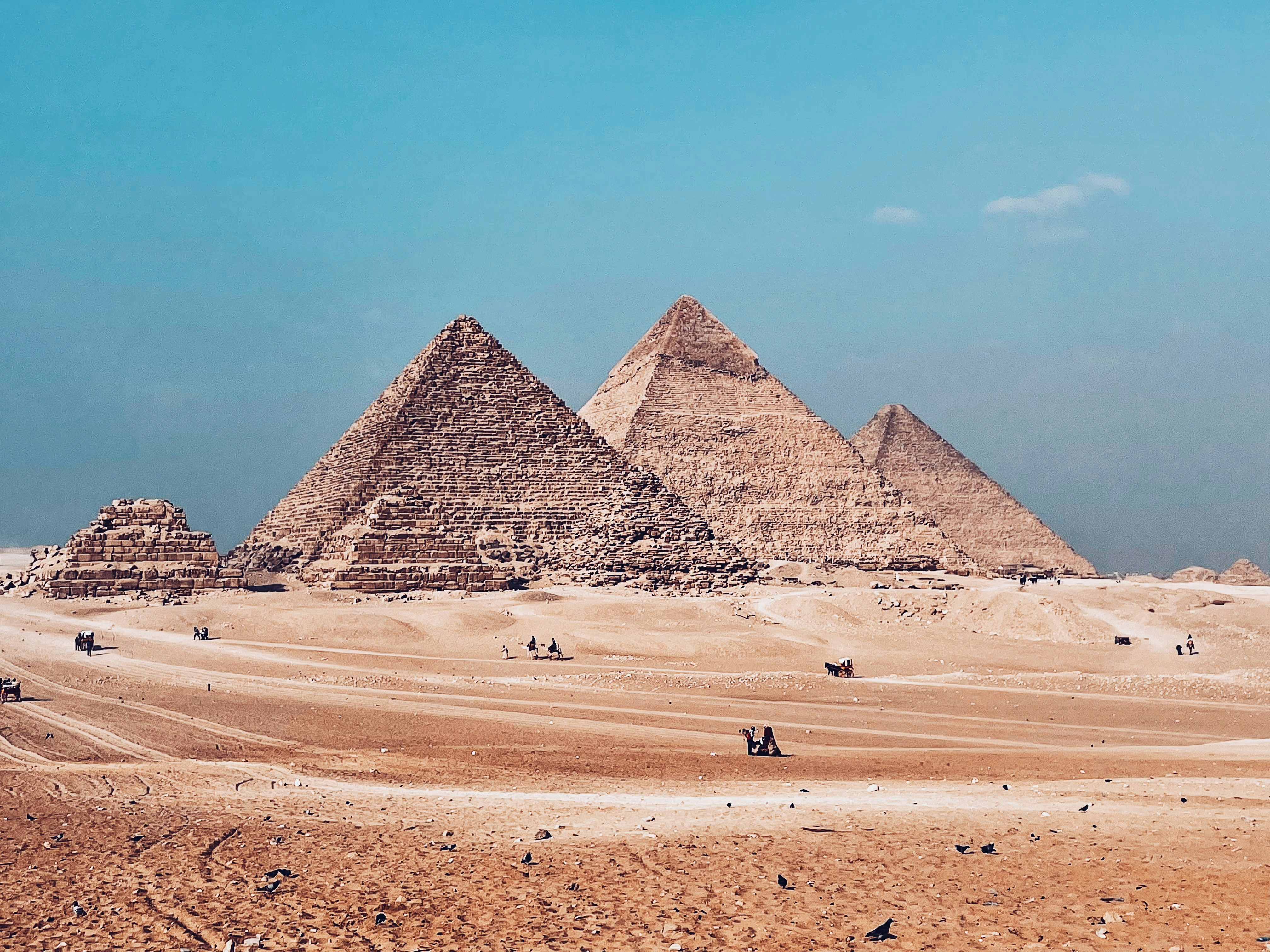
Discover the civilization behind the food by exploring Egypt's ancient temples, royal tombs, and archaeological treasures. From the pyramids of Giza to the magnificent temples of Luxor, every destination offers another opportunity to understand how ancient Egyptians lived.
Plan your Egyptian adventure and discover the history, culture, and traditions that make Egypt unforgettable.

Comments
Leave a comment