
Why Egyptian Bread Is More Than Just Food: Aish Baladi
Introduction: The Bread That Brings Egypt Together
In Egypt, bread is much more than something served beside a meal. It is part of everyday life, a symbol of hospitality, and an essential element of the country's food culture. From busy Cairo streets to quiet villages along the Nile, the smell of freshly baked bread is a familiar part of the day.
One of the most recognizable varieties is aish baladi, the traditional Egyptian flatbread. Round, soft inside, and often slightly puffed during baking, it accompanies countless Egyptian dishes. People use it to scoop up ful medames, wrap taameya, enjoy grilled vegetables, or simply eat it with cheese and tomatoes.
But there is something even more interesting about Egyptian bread: the word aish means both "bread" and "life" in everyday Egyptian Arabic. This connection reflects the important place bread holds in Egyptian society.
To understand Egyptian bread is to understand something about the country's history, family traditions, local markets, and daily routines. Whether you are visiting Egypt for the first time or exploring its culture more deeply, discovering the story of aish baladi offers a delicious way to experience the country beyond its famous monuments.
1. A Tradition with Ancient Egyptian Roots
Egypt has one of the world's most celebrated histories of breadmaking. In ancient times, bread was a fundamental part of the diet, supported by agriculture along the fertile banks of the Nile.
The annual flooding of the Nile historically enriched farmland, helping communities cultivate grains such as emmer wheat and barley. These crops became important ingredients in ancient Egyptian food production.
Ancient Egyptians developed techniques for grinding grain, preparing dough, and baking bread in different forms. Archaeological discoveries, tomb paintings, models, and food remains provide evidence of the importance of breadmaking in daily life and religious traditions.
Bread also appeared in funerary offerings, reflecting the belief that food was important for sustaining the deceased in the afterlife. Tomb scenes sometimes depict people grinding grain, kneading dough, and baking loaves.
Modern aish baladi should not be considered identical to every ancient Egyptian loaf. Breadmaking techniques, ingredients, and recipes have changed over thousands of years. Nevertheless, the continuing importance of bread offers a fascinating connection between Egypt's ancient agricultural heritage and its modern food culture.
When you visit Egypt, you are experiencing a society where grain, bread, and shared meals have played important roles for millennia.
2. Why Is Egyptian Bread Called Aish Baladi?
The Arabic word aish (عيش) means "bread" in Egyptian Arabic and is associated with the word for life. Baladi (بلدي) means local, native, or traditional in this context.
Together, aish baladi refers to the familiar traditional Egyptian bread commonly found in bakeries, markets, and homes throughout the country.
The name reflects more than the bread's ingredients or shape. It connects the food with local identity and the everyday experience of Egyptian people.
For many households, bread is purchased fresh from a nearby bakery or obtained through the country's subsidized bread system, subject to eligibility and local arrangements. Families may buy enough for the day's meals, and freshly baked loaves are often carried home in paper bags or stacked together for sharing.
Bread is also a practical part of eating. Its pocket-like interior can hold fillings, while pieces of flatbread can be used to scoop up beans, dips, vegetables, and sauces.
For travelers, trying a freshly baked loaf is a simple way to experience a familiar part of Egyptian life.
3. How Is Traditional Egyptian Bread Made?
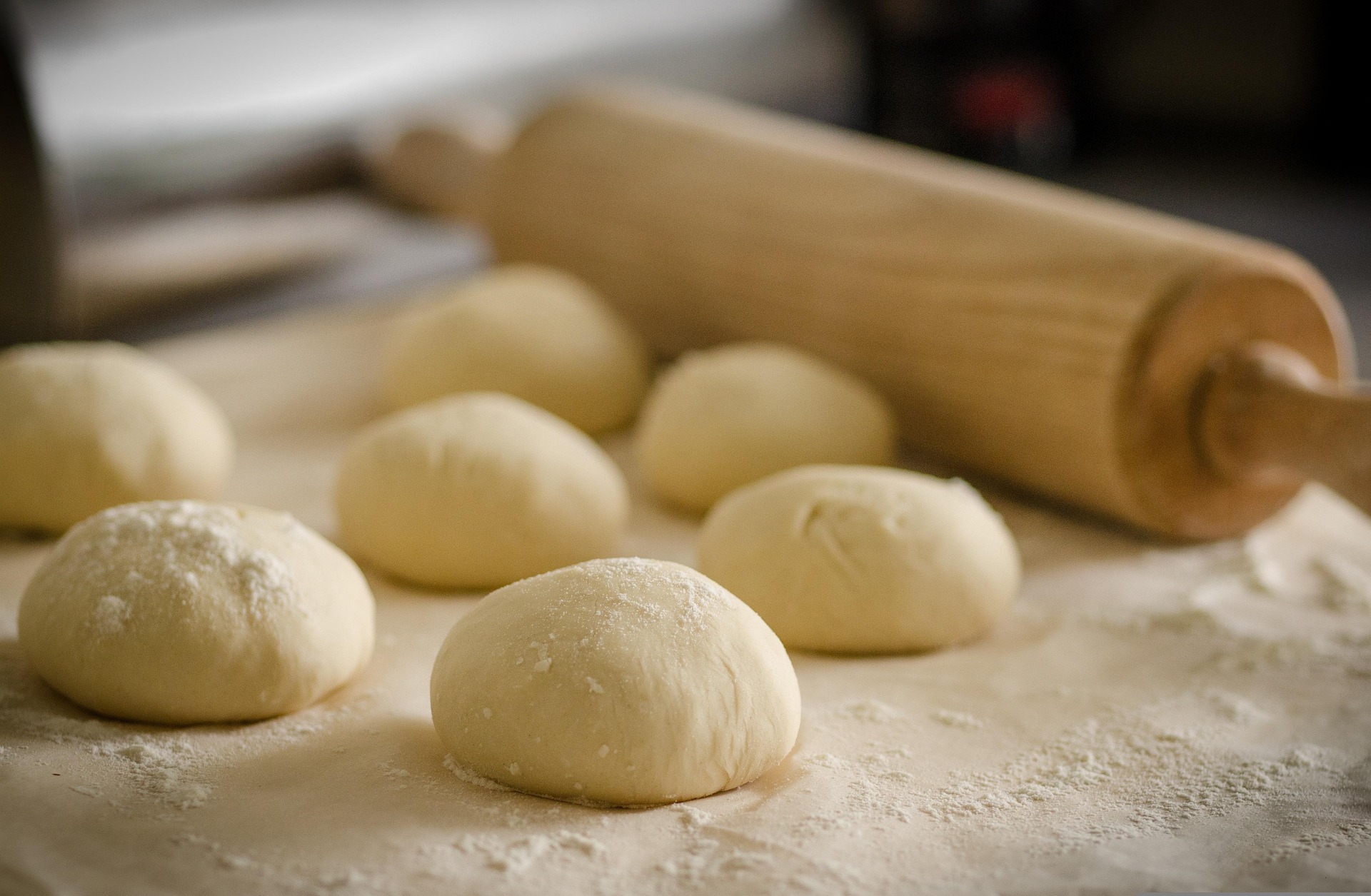
Traditional aish baladi is generally made from flour, water, yeast, and salt, although ingredients and methods vary among bakeries and households. Whole-wheat flour or a mixture of flours may be used.
The preparation begins by mixing the ingredients into a dough. After kneading and allowing the dough to rise, bakers divide it into portions and shape them into flat rounds.
The dough is commonly coated with bran or flour to prevent sticking and help with handling. It is then baked at a high temperature, often in a specialized oven.
During baking, moisture in the dough produces steam, which can cause the bread to puff up and create an interior pocket. The loaf then settles as it cools.
Traditional bakeries may produce large quantities throughout the day, serving neighborhood customers who come to purchase warm bread for breakfast, lunch, or dinner.
Watching the process can be fascinating for visitors. The speed of the bakers, the heat of the ovens, and the steady movement of freshly baked loaves reveal a craft that combines experience, timing, and skill.
If you visit a bakery, always ask permission before taking photographs and follow any safety instructions around the ovens.
4. The Essential Companion to Egyptian Breakfast
Egyptian breakfast is one of the best ways to discover the importance of aish baladi.
A traditional breakfast may include ful medames, taameya, white cheese, tomatoes, cucumbers, eggs, and pickled vegetables. Bread brings these ingredients together, making the meal convenient, filling, and easy to share.
Ful Medames
Ful medames is a popular Egyptian dish made from cooked fava beans. It may be seasoned with cumin, lemon juice, oil, garlic, or other ingredients.
Pieces of aish baladi are used to scoop up the beans and their flavorful sauce. For many Egyptians, this combination is a familiar and satisfying start to the day.
Taameya
Egyptian taameya is commonly made from dried fava beans mixed with herbs, onions, and spices before being shaped and fried. It differs from the chickpea-based falafel traditionally associated with several other Middle Eastern cuisines.
Taameya is often served inside bread with salad, tahini, and other accompaniments.
Cheese and Fresh Vegetables
A simpler breakfast may consist of bread, white cheese, sliced tomatoes, cucumbers, and tea. It is a reminder that Egyptian food does not always require elaborate preparation to be enjoyable.
These combinations illustrate how bread serves as both a staple and a practical part of everyday meals.
5. Bread and Egyptian Hospitality
Hospitality is an important part of Egyptian social life, and food frequently plays a central role in welcoming guests.
When visitors are invited into an Egyptian home, they may be offered tea, snacks, or a meal. Bread often appears at the table because it accompanies so many traditional dishes.
During family meals, people may place several dishes in the middle of the table and share them. Pieces of bread are used to take portions of food, creating a relaxed and communal dining experience.
Bread is also common at informal gatherings, in local cafés, and during meals eaten outside the home.
For travelers, accepting an invitation to share a meal can provide a valuable opportunity to learn about local customs. If you visit a family or participate in a food experience, showing appreciation for the meal and following your hosts' lead are thoughtful ways to respect their traditions.
The role of bread in hospitality is not identical in every household, but its everyday presence makes it a familiar symbol of nourishment and sharing.
6. The Role of Bread in Egyptian Street Food
Egypt's street-food culture would be difficult to imagine without bread.
From small neighborhood shops to busy city streets, bread is used to prepare affordable meals that can be eaten quickly or taken away.
Popular examples include:
- Ful sandwiches: Fava beans served inside a loaf, often with vegetables and seasonings.
- Taameya sandwiches: Egyptian fava-bean patties combined with salad, tahini, or other fillings.
- Alexandrian liver sandwiches: Seasoned liver served in bread, with recipes varying by vendor.
- Kofta sandwiches: Grilled or cooked minced meat served with bread and accompaniments.
- Cheese sandwiches: Simple combinations of cheese and vegetables, sometimes served warm.
These foods show how versatile aish baladi can be. It works as a wrapper, a scoop, and a companion to rich sauces.
For visitors, sampling street food is a way to discover regional flavors and everyday eating habits. Choose busy establishments with good food-handling practices, and ask about ingredients if you have allergies or dietary restrictions.
7. Bread in Egyptian Villages and Rural Life
Although bread is familiar in Egypt's major cities, its importance can also be seen in villages and agricultural communities.
Historically, farming along the Nile and in the Delta supported the production of grain for household consumption and local markets. Breadmaking has taken place in many different settings, from domestic kitchens to communal and commercial bakeries.
Rural food traditions vary across Egypt. Ingredients, oven types, loaf shapes, and preparation methods can differ between regions and families.
In some communities, preparing food at home remains an important part of family routines, while in others, people rely on neighborhood bakeries for their daily bread.
For travelers exploring rural areas around Luxor or Aswan, local food can offer a glimpse into the relationship between agriculture, the Nile Valley, and everyday life. Any village visit should be arranged respectfully, with permission before entering private spaces or photographing residents.
8. Why Bread Has Such Economic and Social Importance
Bread is not only a cultural symbol; it is also a major household staple.
Because so many people depend on bread as part of their daily diet, its price, availability, and quality are important public concerns. Egypt has operated a subsidized baladi bread system for many years, helping eligible households access a staple food at a regulated price under government rules.
The system has changed over time, and eligibility, prices, and purchasing arrangements may be updated by the authorities.
Bread consumption also connects to wider questions about wheat production, imports, food security, farming, and household budgets.
Understanding this context helps visitors appreciate why bread is treated as an everyday necessity rather than simply another item on a restaurant menu.
9. How Travelers Can Experience Egyptian Bread Culture
If you want to explore Egypt through its food, bread is an excellent place to start.
Here are a few simple ways to experience this tradition:
Visit a local bakery. Observe how the loaves are prepared and baked, while respecting the bakery's rules and working environment.
Try a traditional Egyptian breakfast. Order ful medames or taameya with aish baladi at a reputable local restaurant.
Explore a neighborhood market. Watch how bread is sold and carried home as part of everyday shopping.
Join a local food experience. A guided food walk or cooking experience can explain regional ingredients and dining customs.
Ask about regional variations. Egyptian bread culture includes different loaves and baking traditions, so there is more to discover than one recipe.
Be respectful when taking photographs. Ask before photographing workers, customers, or private homes.
These experiences can help you see the country through its daily routines rather than only through its ancient monuments.
10. Interesting Facts About Egyptian Bread
- The Egyptian Arabic word aish means bread and is closely associated with the idea of life.
- Ancient Egyptian tomb art and archaeological evidence document breadmaking practices thousands of years ago.
- Aish baladi is commonly made with wheat flour and may include whole-wheat flour or bran.
- Its pocket-like interior makes it useful for sandwiches and for scooping up traditional dishes.
- Ful medames and taameya are two familiar foods frequently eaten with Egyptian bread.
- Bread has both cultural and economic importance in modern Egypt because it is a staple in many households.
These facts reveal how one simple food connects ancient history, agriculture, cooking, and modern society.
Conclusion: A Simple Loaf with a Remarkable Story
Egyptian bread is much more than an accompaniment to a meal. It connects the country's ancient agricultural history with modern family life, traditional breakfasts, street food, hospitality, and the daily routines of millions of people.
From the breadmaking scenes of ancient Egypt to the neighborhood bakeries of contemporary Cairo and the villages of the Nile Valley, bread remains an important part of the country's culinary identity.
For visitors, tasting aish baladi is a small but meaningful way to discover Egypt beyond its temples, pyramids, and famous archaeological sites.
The next time you sit down to a plate of ful medames or enjoy a freshly prepared taameya sandwich, take a moment to appreciate the history and everyday traditions behind the bread on your table.
Discover Egypt through its food, culture, and local experiences. Combine your exploration of ancient monuments with an opportunity to experience traditional Egyptian cuisine and the warm hospitality that makes the country memorable.
Comments
Leave a comment